House Hacking In Greenwood Heights Two-Family Homes
June 25, 2026
June 25, 2026
Buying in Brooklyn is hard enough. Trying to make a two-family home help pay for itself can feel even harder, especially in a place like Greenwood Heights where prices are high, housing types vary block by block, and legal-use details matter. If you are considering house hacking in a 11232 two-family home, this guide will help you think through rent, zoning, legality, and monthly carrying costs before you make an offer. Let’s dive in.
Greenwood Heights sits within Brooklyn Community District 7, an area with a mix of residential, industrial, and commercial uses. In ZIP code 11232, the ACS 2024 5-year profile shows 27,816 residents, 10,020 housing units, a median household income of $90,891, and a median owner-occupied home value of $941,300. That combination points to a dense and relatively expensive market where every monthly cost matters.
For many buyers, house hacking is appealing because it can turn a primary home into a partial income-producing property. In a two-family setup, you live in one unit and rent the other. In a neighborhood with a mean commute time of 42.2 minutes, access, carrying costs, and realistic rent assumptions can all shape whether a deal feels manageable.
In practical terms, house hacking in Greenwood Heights usually means buying a legal two-family home, occupying one unit, and renting out the other unit on a long-term basis. The goal is not usually instant cash flow. The goal is to offset part of your monthly housing expense while building equity in a Brooklyn property.
That distinction matters. In 11232, house hacking works best when you treat rent as a support tool, not a magic solution. If the purchase only works on aggressive rent assumptions, the deal may be too thin.
One of the biggest mistakes buyers make is assuming every townhouse-style property offers the same potential. Greenwood Heights is not zoned as a single product type. Parts of the area were rezoned into districts including R5B, R6B, R6A, C4-3A, and R8A, which means legal building form, scale, and unit possibilities can change from one block to the next.
That is especially important if you are looking at a home with extra space, a finished basement, or a setup that seems to offer more units than expected. A property may look like a house-hack opportunity on a listing sheet, but the actual legal use is what counts. In this neighborhood, property-specific due diligence is not optional.
Before you estimate rent, start with the building’s legal status. In New York City, the Certificate of Occupancy states the legal use and permitted occupancy of a building. If use, egress, or occupancy changes, a new or amended Certificate of Occupancy may be required.
That matters because creating extra apartment units without permits can be an illegal conversion. If you are buying a one- or two-family home, NYC defines that use as long-term residence for more than a month at a time. So if a basement is staged like a separate apartment or a garden level looks like an added rental, you should verify that setup through the property records rather than assume it is legal.
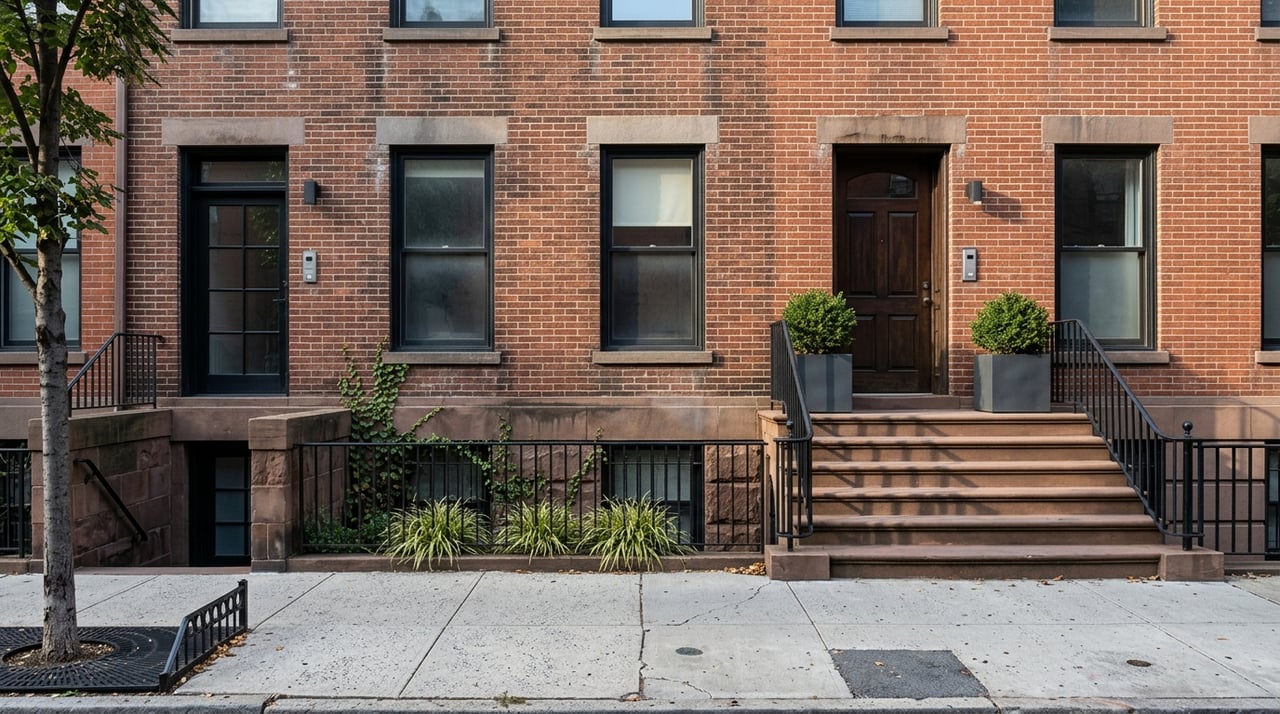
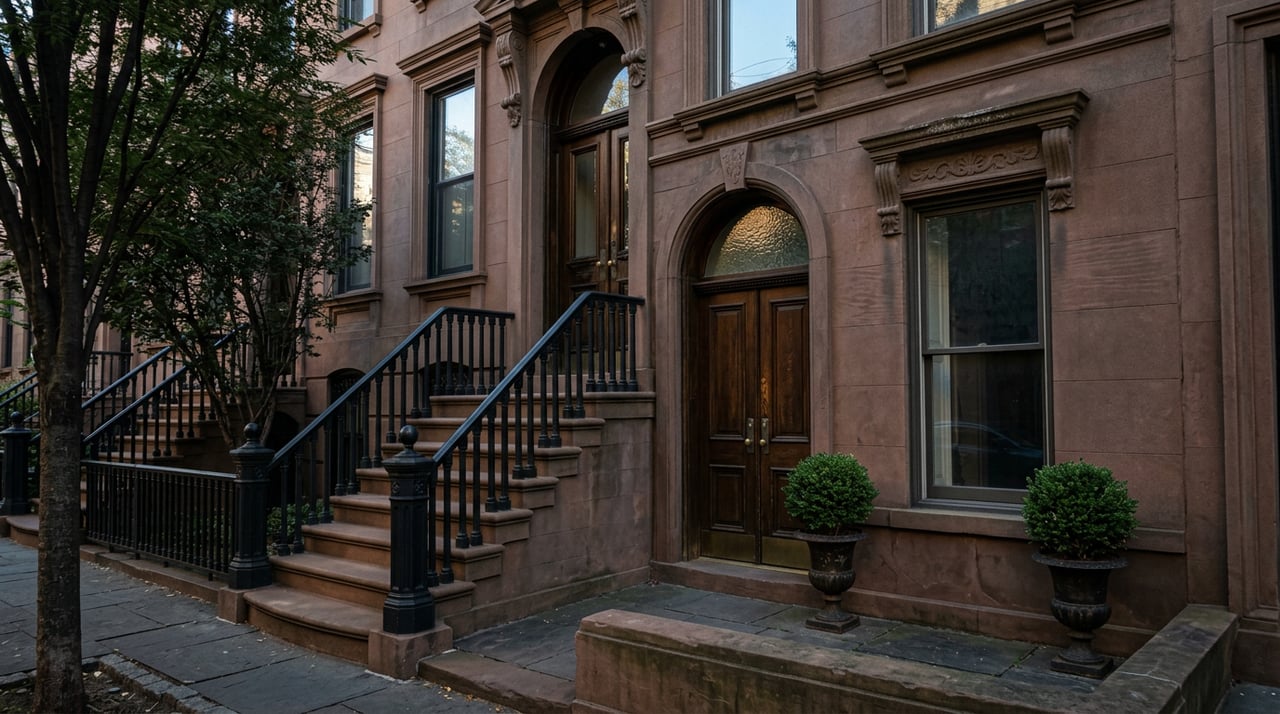
Greenwood Heights includes a mix of rowhouses, attached homes, and some small multi-family buildings. Residence districts such as R5B allow attached townhouses, multi-family apartment buildings, ancillary dwelling units, and detached or semi-detached residences at lower heights than standard R5. Medium-density districts like R6A and R6B support different building forms depending on street type and neighborhood context.
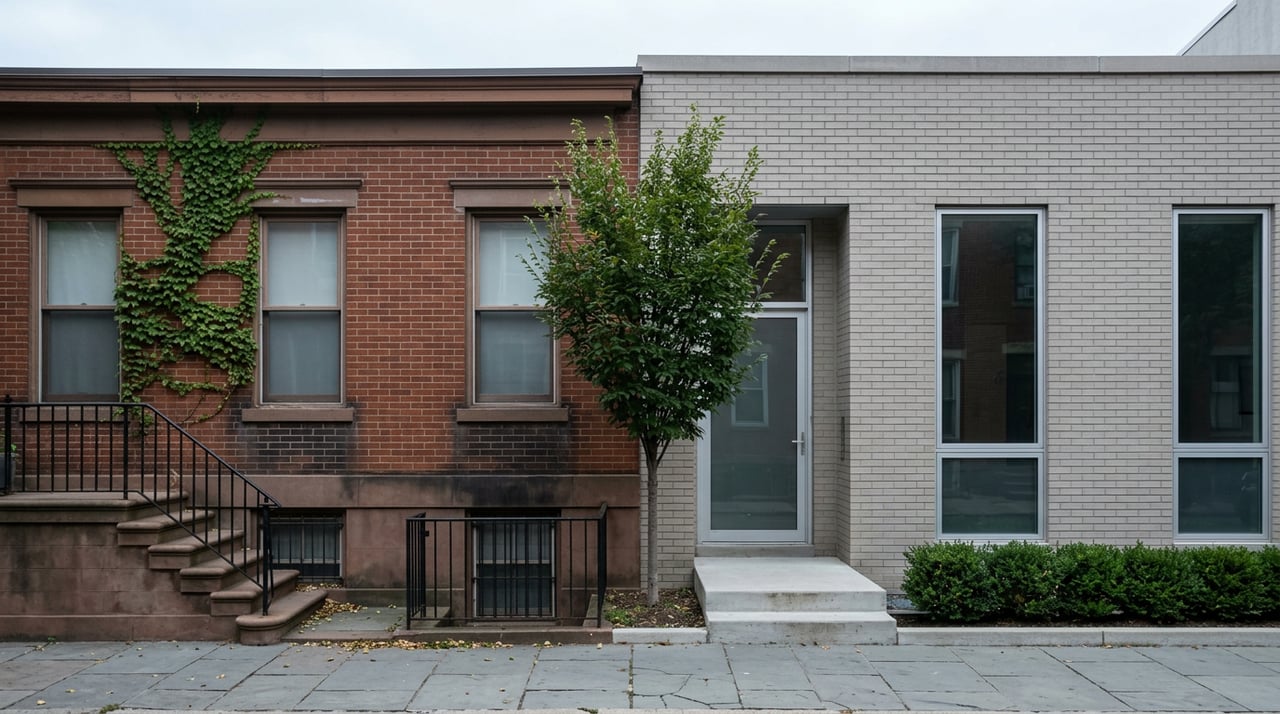
For you as a buyer, the key takeaway is simple. A similar exterior does not always mean a similar legal layout. Two properties on nearby blocks may have very different occupancy rules, bulk allowances, or renovation history.
For owner-occupied two- to four-unit purchases, rental income from the units you do not occupy can help with qualification if that income is stable and documented. Fannie Mae, Freddie Mac, and CFPB guidance all support the general concept that rent from the non-owner units may be considered in qualifying for this type of purchase.
In plain English, lenders usually care about the rent from the other unit, not the unit you live in. They also tend to want documentation such as leases, rent rolls, or appraisal-based market-rent support. That means your house-hack plan needs to be grounded in paperwork, not guesswork.
A smart house-hack analysis looks beyond gross rent. Instead of asking, “Will the rent cover my mortgage?” ask, “What happens after operating costs, maintenance, and reserves?” That is a much safer way to evaluate a two-family purchase in an expensive market.
A conservative model should include:
The main idea is that house hacking is a partial-offset strategy, not a guaranteed cash-flow strategy. The more your purchase depends on rent from one small unit, the more important vacancy, legal use, and maintenance become.
If you are tempted to make the numbers work with short-term rental income, pause there. In New York City, whole-home or whole-apartment rentals to visitors for fewer than 30 days are not allowed. For one- and two-family homes, DOB also frames legal residential use as long-term residence for more than a month at a time.
That means short-term rental income is not a sound default assumption for underwriting a Greenwood Heights two-family home. If a deal only works on Airbnb-style projections, it is probably the wrong deal to pursue.
Many two-family homes are often assumed to be market-rate, and in New York City rent stabilization is most common in buildings with six or more units built before 1974. Still, that does not give you a free pass to assume every unit in a two-family property is unrestricted.
Subsidy programs, tax benefits, prior alterations, and a building’s lease history can affect rent status. Before you rely on any projected rental income, review the property’s actual records and unit history. This is another area where careful diligence can protect you from expensive surprises.
If you are evaluating a Greenwood Heights two-family home, work through these items before you get emotionally attached:
This checklist will not make every property simple, but it will help you filter out risky opportunities faster.
The strongest house-hack opportunities in Greenwood Heights are usually the ones that are boring on paper. The legal use is clear. The second unit is easy to understand. The rent assumption is supported by documents. And the monthly payment still feels reasonable if the unit sits vacant for a stretch or needs repairs.
That may not sound glamorous, but it is how you reduce risk in a neighborhood where purchase prices are high. In many cases, the best buy is not the one with the most speculative upside. It is the one with the fewest legal and financial question marks.
In a neighborhood like Greenwood Heights, small details can change the math fast. A block-level zoning difference, a missing permit, or an unsupported rent assumption can turn a promising two-family home into a stressful purchase. That is why buyers benefit from local guidance that goes beyond listing photos and headline rent estimates.
If you are exploring house hacking in 11232, working with a Brooklyn brokerage that understands small multi-family properties, neighborhood context, and practical underwriting can help you move with more confidence. When the goal is to buy smart, clear advice matters just as much as access to inventory.
If you want help evaluating a two-family opportunity in Greenwood Heights or nearby Brooklyn neighborhoods, connect with Nat Guerriera for thoughtful, local guidance tailored to your goals.
Pen Realty greets clients with a devotion to seamless home sales and a professional promise to buy or list with expert confidence.
Get in Touch With Our Team to Learn More