Everyday Living In Windsor Terrace Brooklyn
June 4, 2026
June 4, 2026
If you want Brooklyn access without a constant big-city rush, Windsor Terrace stands out fast. It offers a quieter residential feel, easy park access, and daily conveniences that fit into real life instead of competing with it. If you are wondering what it is actually like to live here day to day, this guide will walk you through the pace, housing, transit, and neighborhood rhythm. Let’s dive in.
Windsor Terrace is officially described by Brooklyn Community Board 7 as a smaller residential community. Its main commercial activity is concentrated along 5th Avenue, 7th Avenue, and Prospect Park West rather than spread across every block.
That matters because it shapes how the neighborhood feels when you live there. Instead of a nonstop retail or nightlife environment, you get a more low-key day-to-day setting with services and shops clustered in a few practical corridors.
The neighborhood is also framed by two major landmarks: Prospect Park and Green-Wood Cemetery. Community Board 7 notes that Green-Wood Cemetery’s Gothic brownstone gatehouse is the area’s most widely known symbol, which adds to the neighborhood’s distinct sense of place.
One of the biggest draws of everyday living in Windsor Terrace is how naturally Prospect Park fits into your routine. This is not just a nearby amenity you visit once in a while. It is part of the neighborhood’s daily rhythm.
According to Prospect Park Alliance, the park spans 585 acres and includes Brooklyn’s only freshwater lake, nearly 150 acres of woodlands in the Ravine, seven playgrounds, the LeFrak Center at Lakeside, the Prospect Park Tennis Center, and year-round recreation and nature programming.
For you as a resident, that can mean morning walks, weekend playground stops, seasonal activities, or just an easy way to get outside without planning your whole day around it. Park access tends to feel immediate here, not occasional.
Recent City Planning materials describe Prospect Park West as an active local commercial corridor with restaurants, grocery stores, drug stores, medical offices, and other retailers within easy walking distance. That makes simple errands more manageable on foot.
This setup supports a neighborhood lifestyle that feels convenient without feeling overbuilt. You can handle many day-to-day needs close to home while still keeping a residential atmosphere on most blocks.
Many buyers and renters ask whether Windsor Terrace feels busy. Based on official neighborhood descriptions, it is better understood as a smaller residential community with retail concentrated in a handful of corridors.
In practical terms, that usually means your block-to-block experience feels calmer than in denser entertainment-focused parts of Brooklyn. You still have access to restaurants, stores, and transit, but the neighborhood is not defined by constant activity everywhere at once.
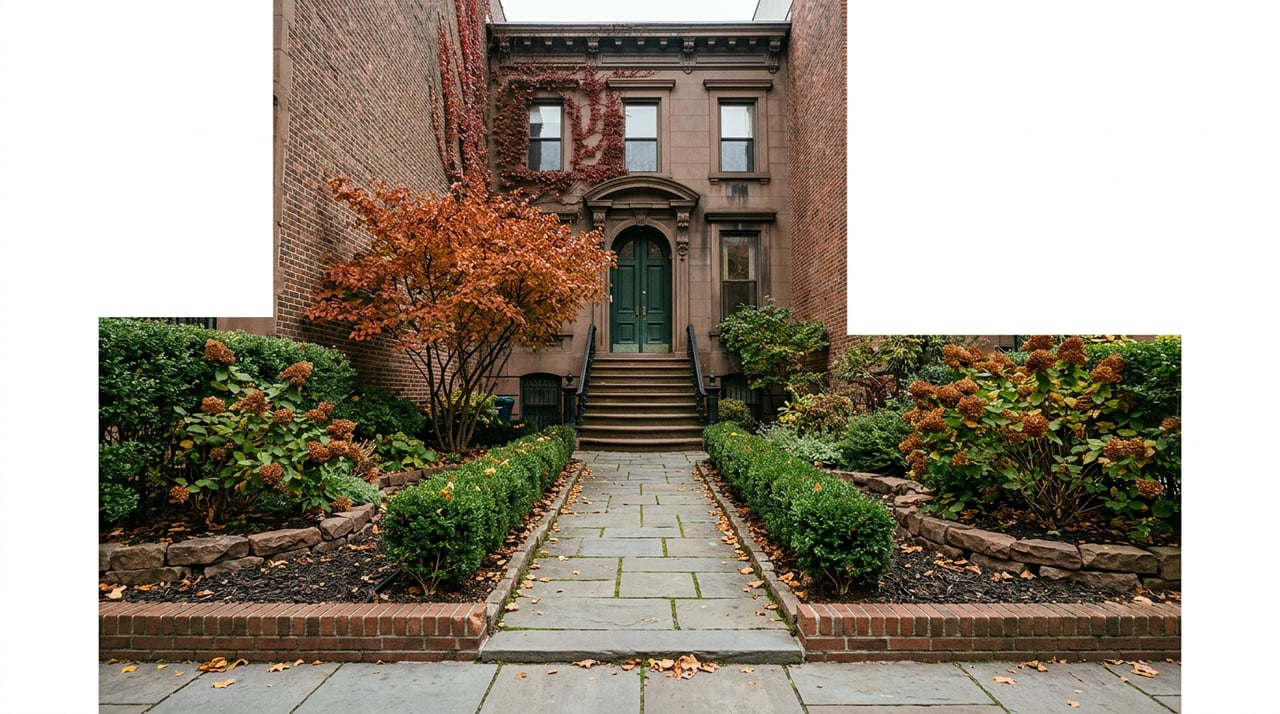
City Planning materials also say nearly all of Windsor Terrace is mapped with low-density, low-rise contextual zoning. That preserved built form helps explain why the area often feels more stable and less visually intense than neighborhoods with taller, newer development patterns.
If you prefer not to rely on a car, Windsor Terrace has a lot going for it. MTA neighborhood maps list 15 St-Prospect Park and Fort Hamilton Pkwy as F and G train stations serving the area.
Bus service also adds flexibility. MTA Bus Time identifies the B68 as the Coney Island-Windsor Terrace route, and City Planning materials note B61, B67, B68, and B69 bus lines in the immediate area.
Taken together, those options support a car-light lifestyle. City Planning materials specifically describe Windsor Terrace as a place where new housing can support households that do not need a car to get around.
Transit access changes how a neighborhood functions for you. When trains, buses, errands, and park space all connect easily, daily life tends to feel more efficient and less chore-heavy.
That is part of Windsor Terrace’s appeal. You can move through your week with a mix of walking, transit, and nearby essentials rather than planning around long drives or constant transfers.
Windsor Terrace is not a neighborhood defined by a wave of large new developments. Recent City Planning materials describe it as a low-rise area where contextual zoning has preserved the neighborhood’s built form.
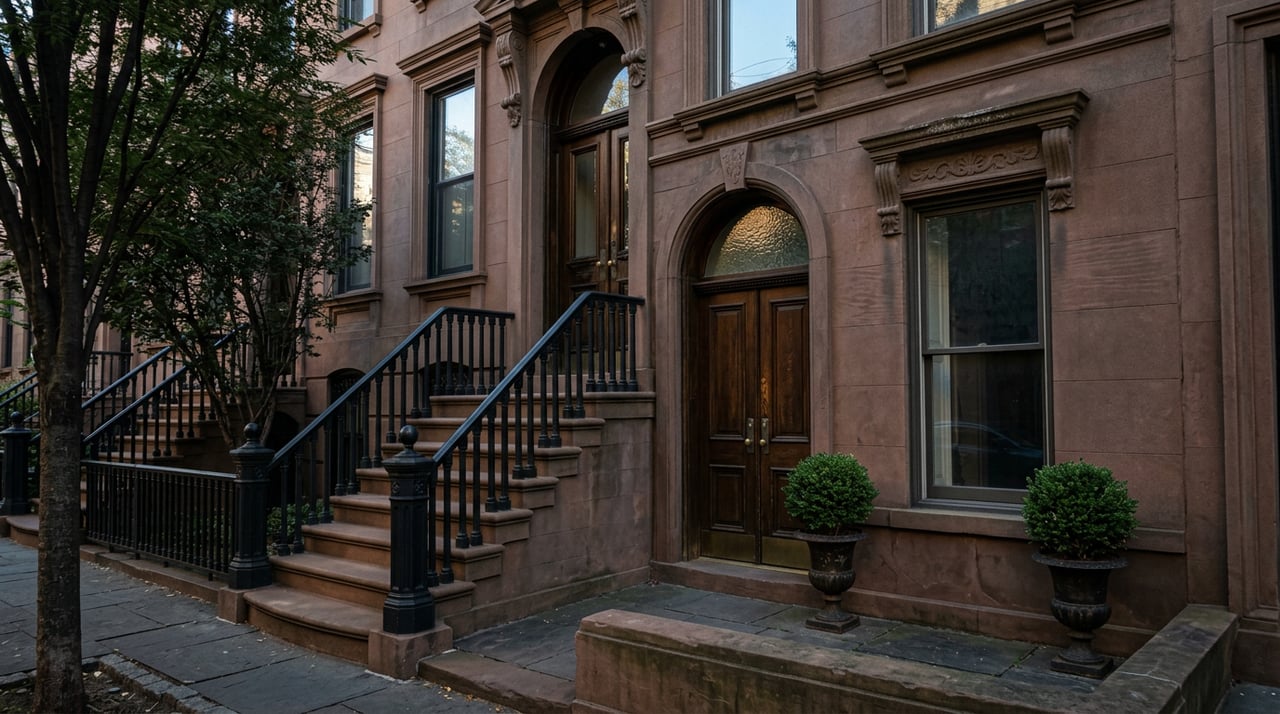
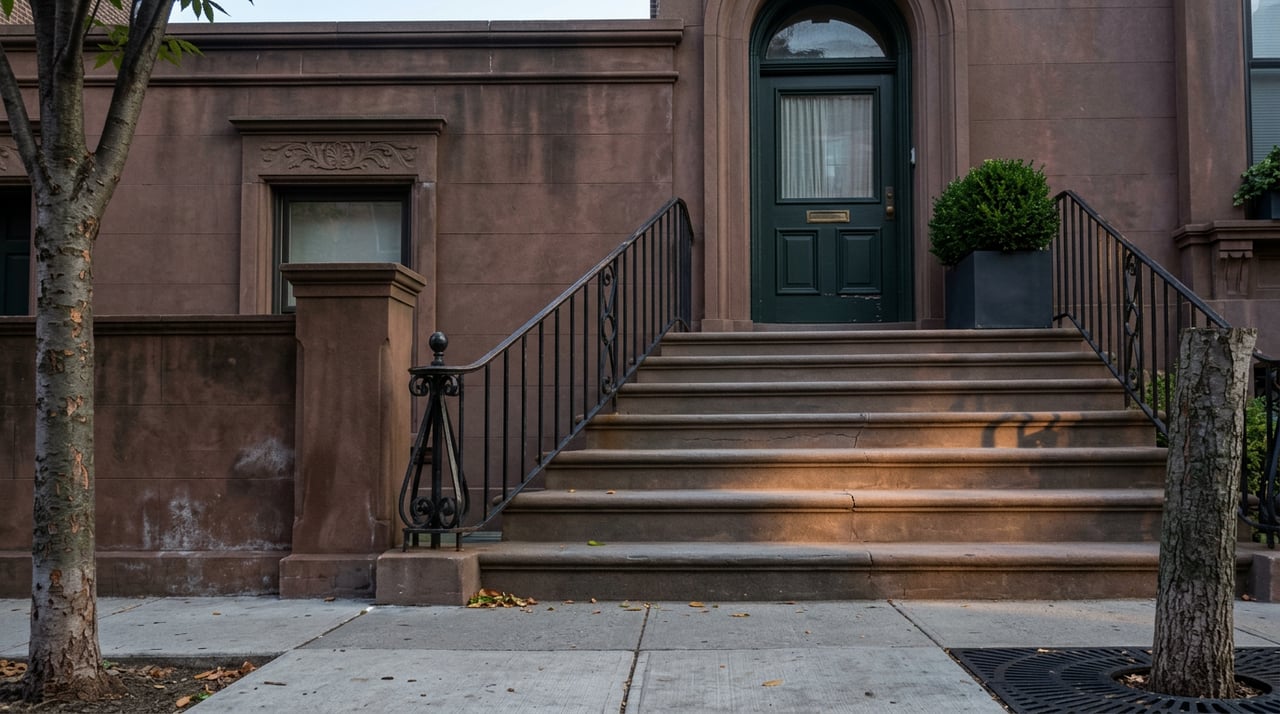
For you, that often translates into older, smaller-scale housing stock and relatively limited fresh inventory. If you are expecting blocks of newly built large apartment buildings, that is generally not the local pattern described in the city’s planning documents.
The same materials report that only 692 new housing units were produced between 2010 and 2023 in the Windsor Terrace-South Slope NTA. That limited supply helps explain why the neighborhood can feel steady and competitive at the same time.
City Planning materials characterize Windsor Terrace as a moderate-income, high-opportunity neighborhood with the lowest displacement-risk level in the city. They also report a 2022 median household income of $134,366 in the Windsor Terrace NTA.
For buyers, renters, and owners, those facts point to a neighborhood that has remained relatively stable even while demand stays strong. The combination of low-rise housing, limited new supply, and strong everyday appeal can make available homes feel especially valuable.
No neighborhood is right for everyone, and that is a good thing. Windsor Terrace tends to make the most sense if you want a residential setting, easy park access, and a pace that feels more grounded than some of Brooklyn’s busier corridors.
Based on the official geography, built form, and amenity pattern in the research, Windsor Terrace is a strong fit for people who value:
It can also appeal to buyers or renters who want a neighborhood that feels established rather than rapidly remade by new development. That sense of continuity is part of what many people respond to here.
If you are exploring Windsor Terrace, it helps to calibrate your expectations early. This is a neighborhood where lifestyle value comes from consistency, access, and setting, not from flashy new construction or a dense entertainment scene.
You should expect a built environment that is mostly low-rise and residential. You should also expect inventory to be more limited than in neighborhoods with more recent housing production.
That means timing and local market knowledge can matter. When homes in neighborhoods like Windsor Terrace become available, understanding the block, transit access, commercial corridors, and housing style can help you make a more confident decision.
In a neighborhood like Windsor Terrace, small details can shape your experience more than broad Brooklyn averages. The difference between being closer to Prospect Park, near one of the F or G stations, or just off a main corridor can meaningfully affect how a home lives day to day.
That is where a neighborhood-first brokerage can help. Whether you are buying, selling, or leasing, local context makes it easier to understand not just price, but lifestyle fit.
At Pen Realty, that kind of block-by-block perspective is central to the process. If you want help understanding how Windsor Terrace compares with nearby Brooklyn options, or what current inventory means in a low-supply neighborhood, connect with Nat Guerriera for a personalized conversation.
Pen Realty greets clients with a devotion to seamless home sales and a professional promise to buy or list with expert confidence.
Get in Touch With Our Team to Learn More