Choosing A Home Style In Brooklyn Heights
June 18, 2026
June 18, 2026
Buying in Brooklyn Heights is rarely just about square footage. More often, it comes down to how you want to live day to day: in a vertical brownstone with outdoor space, in a classic prewar co-op with formal rooms, or in a newer condo with modern systems and services. If you are weighing those options, this guide will help you compare the tradeoffs that matter most in Brooklyn Heights and choose a home style that fits your priorities. Let’s dive in.
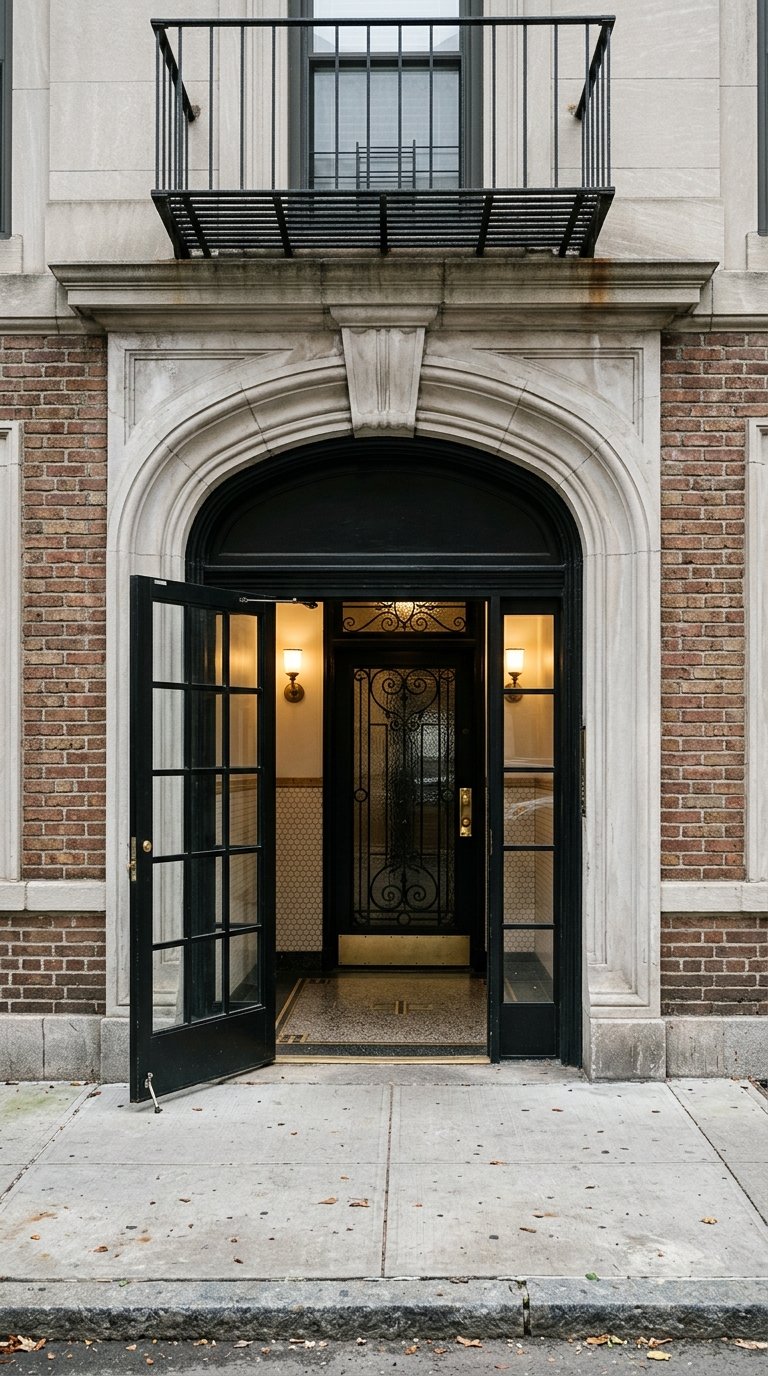
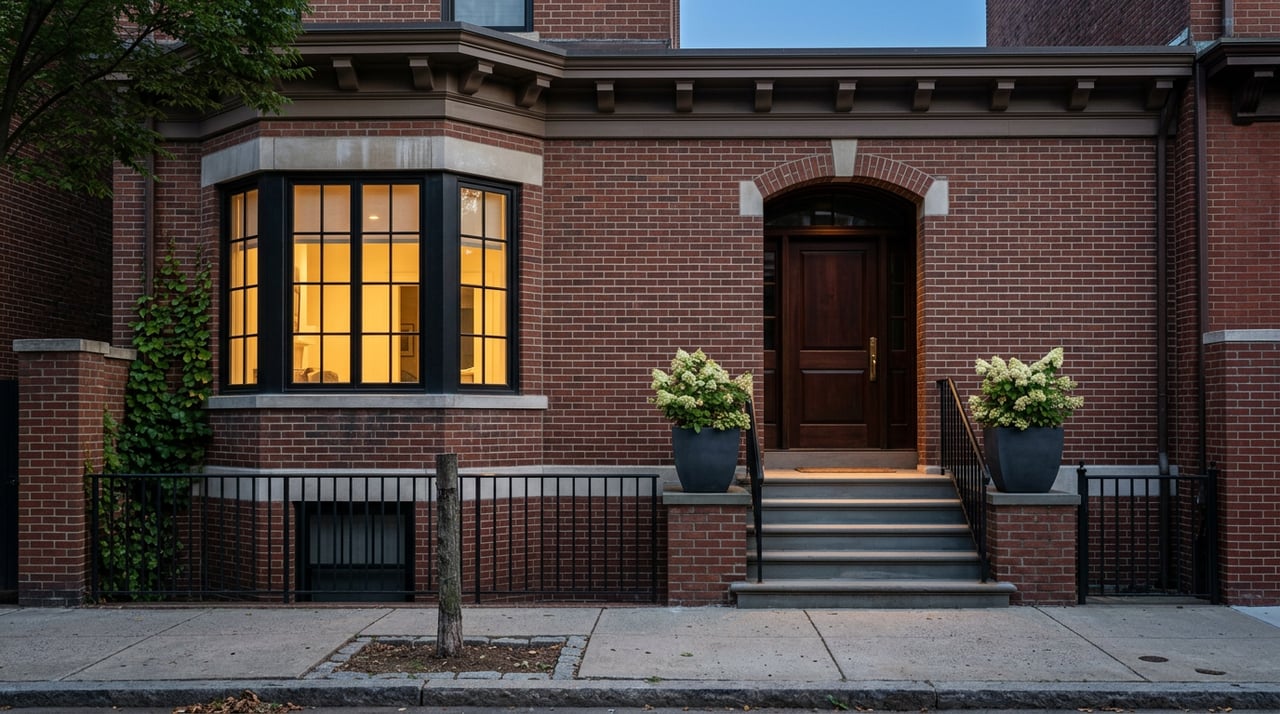
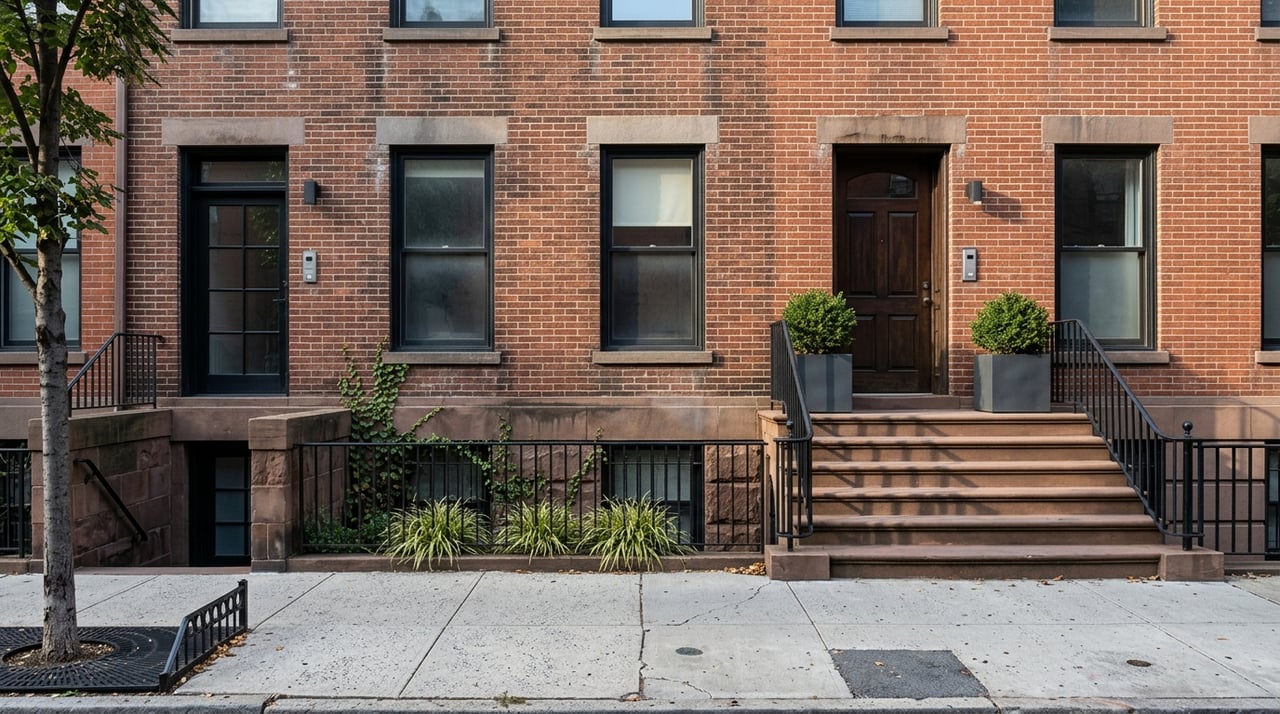
Brooklyn Heights has a distinct physical character, and that shapes the buying decision in a real way. The neighborhood is known for its low-rise, largely residential feel, with stately brick and brownstone houses, churches, and a limited number of nonconforming buildings within the historic district.
The character also changes from block to block. According to the designation report for the Brooklyn Heights Historic District, larger mansions appear on streets like Pierrepont, Remsen, and Columbia Heights, while smaller houses and mews are more common on Willow, Hicks, Joralemon, Orange, Pineapple, Clark, and Willow Place.
That means your choice is not only about the unit itself. It is also about whether you want a quieter townhouse block, a classic apartment building setting, or a home closer to the waterfront edge near Brooklyn Bridge Park and the Brooklyn Bridge.
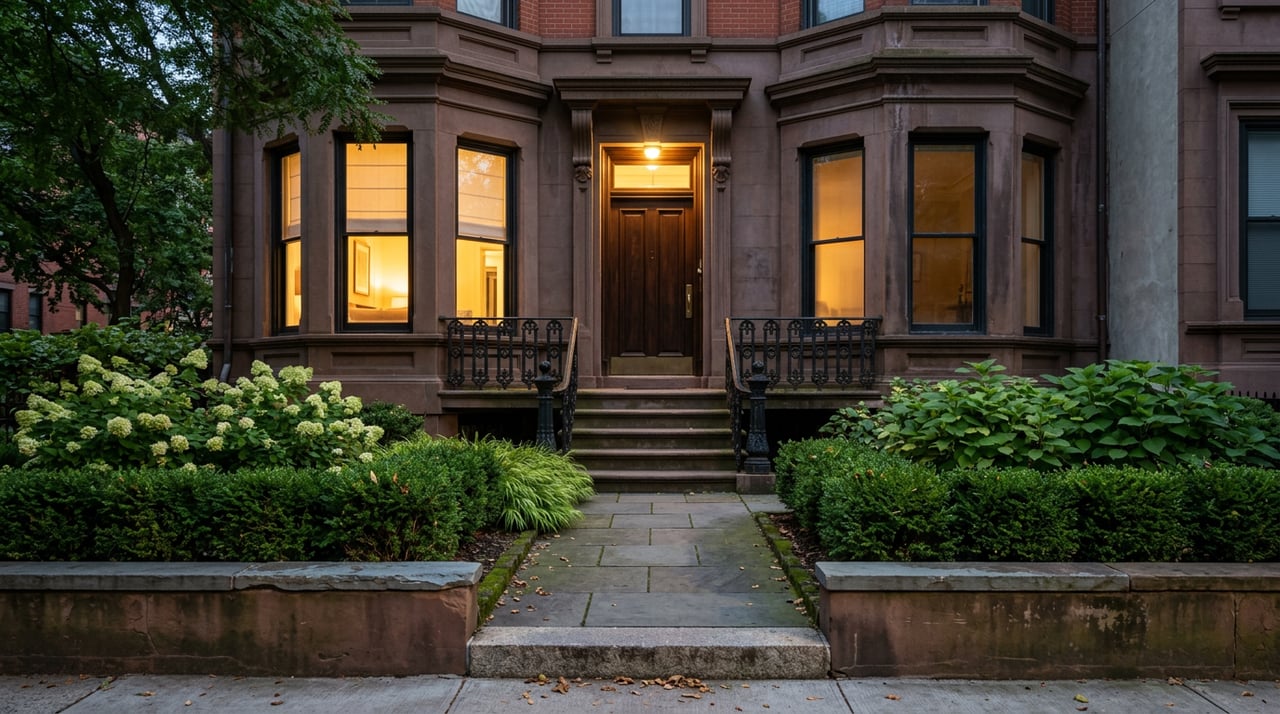
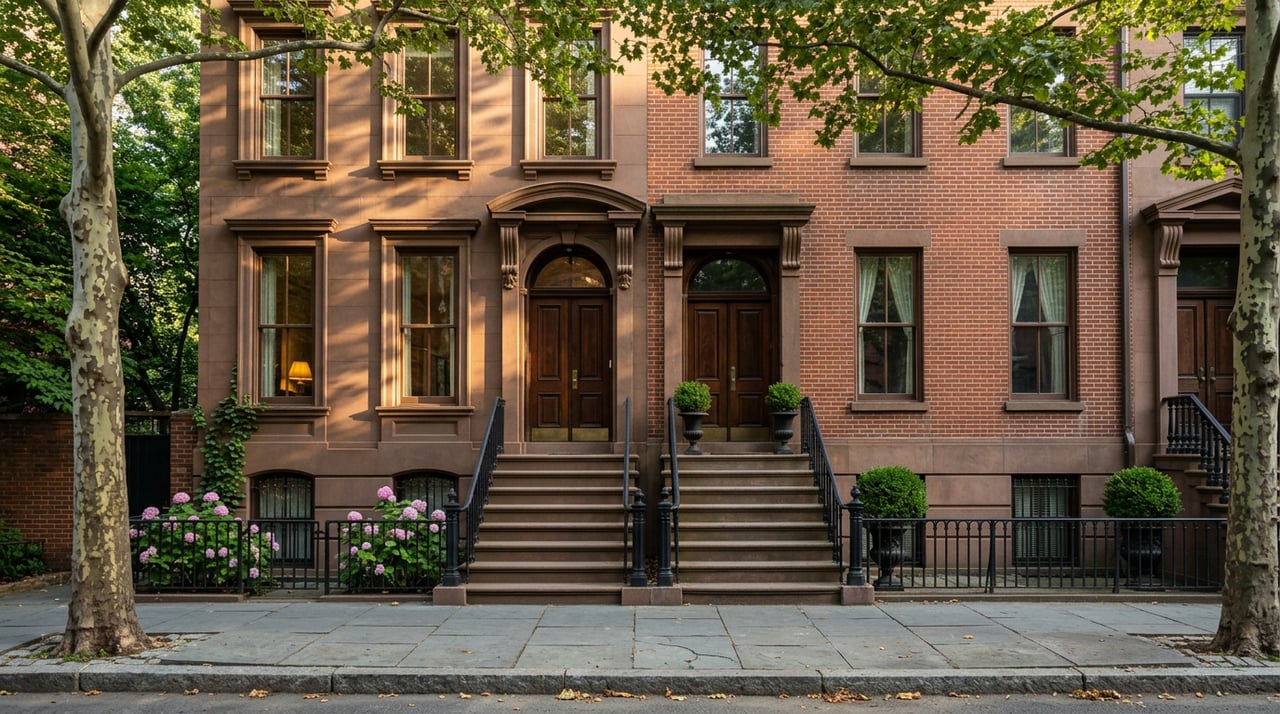
If you want the strongest sense of living in a true house, brownstones and townhouses often rise to the top. In Brooklyn Heights, these homes usually offer vertically arranged living space, more separation between rooms, and a greater feeling of privacy than a typical apartment.
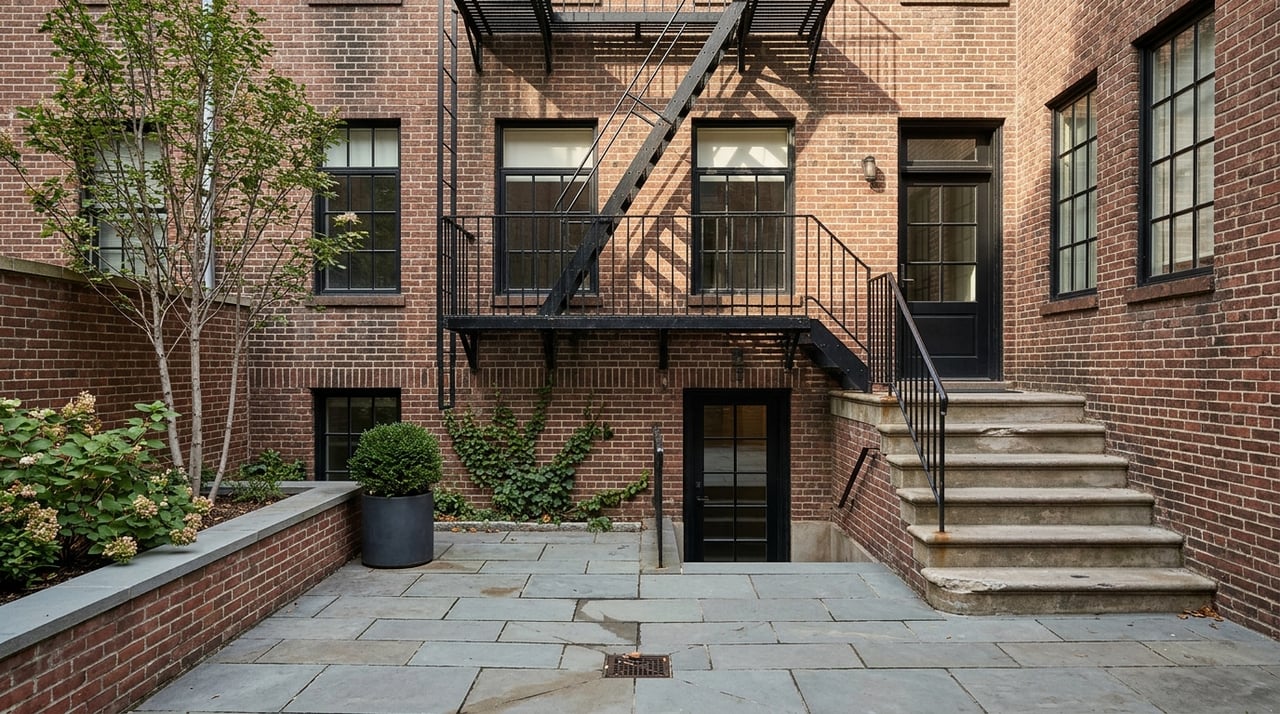
That layout can be a major plus if you want distinct zones for living, working, and sleeping. A recent townhouse example on Middagh Street showed how these homes can include garden-level living areas, terrace-facing bedrooms, basement recreation space, and upper-level primary suites.
For many buyers, the appeal is simple. You get architectural character, private control over more of your space, and often some form of outdoor access that feels hard to find elsewhere in the city.
The tradeoff is upkeep. When you buy a townhouse-style property, you need to look closely at big-ticket items like the facade, roof, windows, electrical wiring, plumbing, HVAC, flooring, and appliances.
In some cases, you may also need to evaluate sidewalks, drainage systems, retaining walls, or other site-related elements. That is especially important because repair costs in house-style properties can be less shared than in an apartment building.
Brooklyn Heights also has a major preservation overlay. If a property sits inside the historic district, exterior changes can require review, and details like stoops, cornices, windows, and facade work may involve more oversight than they would in a non-landmarked area.
A brownstone or townhouse may be the right fit if you value:
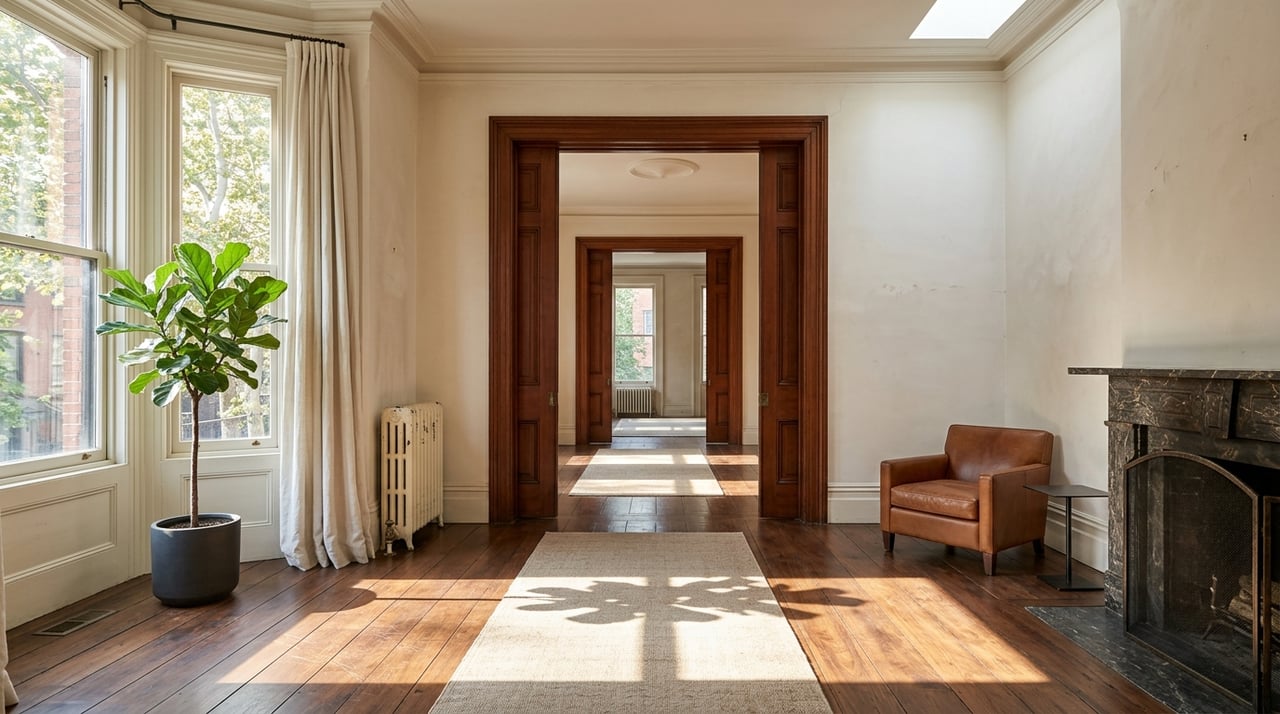
Prewar co-ops remain one of the most common and appealing paths into Brooklyn Heights ownership. They often attract buyers who want classic room proportions, higher ceilings, and layouts that feel more defined than newer open-plan apartments.
Examples in the neighborhood help explain the draw. Some prewar co-ops feature formal dining rooms, large eat-in kitchens, fireplaces, arched doorways, and flexible extra areas that can work as a dining room or home office.
If you like the feel of older architecture but do not necessarily want the full responsibility of a townhouse, a co-op can offer a middle ground. You get character and usable space, along with shared building infrastructure.
A co-op is different from a condo in a basic but important way. Instead of owning the apartment outright, you buy shares in a corporation that are tied to a specific unit, and you receive a long-term proprietary lease.
You also pay maintenance charges based on the number of shares allocated to the apartment. The building is governed through documents such as bylaws, the proprietary lease, house rules, and sublet provisions, so the building's internal structure matters almost as much as the apartment itself.
Due diligence matters a lot with co-ops. Existing buildings may have repair and maintenance needs, and some of the most expensive issues can involve facades, roofs, elevators, plumbing, electrical systems, and boilers.
Before you commit, it is smart to review annual reports, board minutes, and governing documents. Those materials can reveal pending capital projects, financial stress, rule changes, or other issues that may affect your ownership experience.
A prewar co-op may be the right fit if you value:
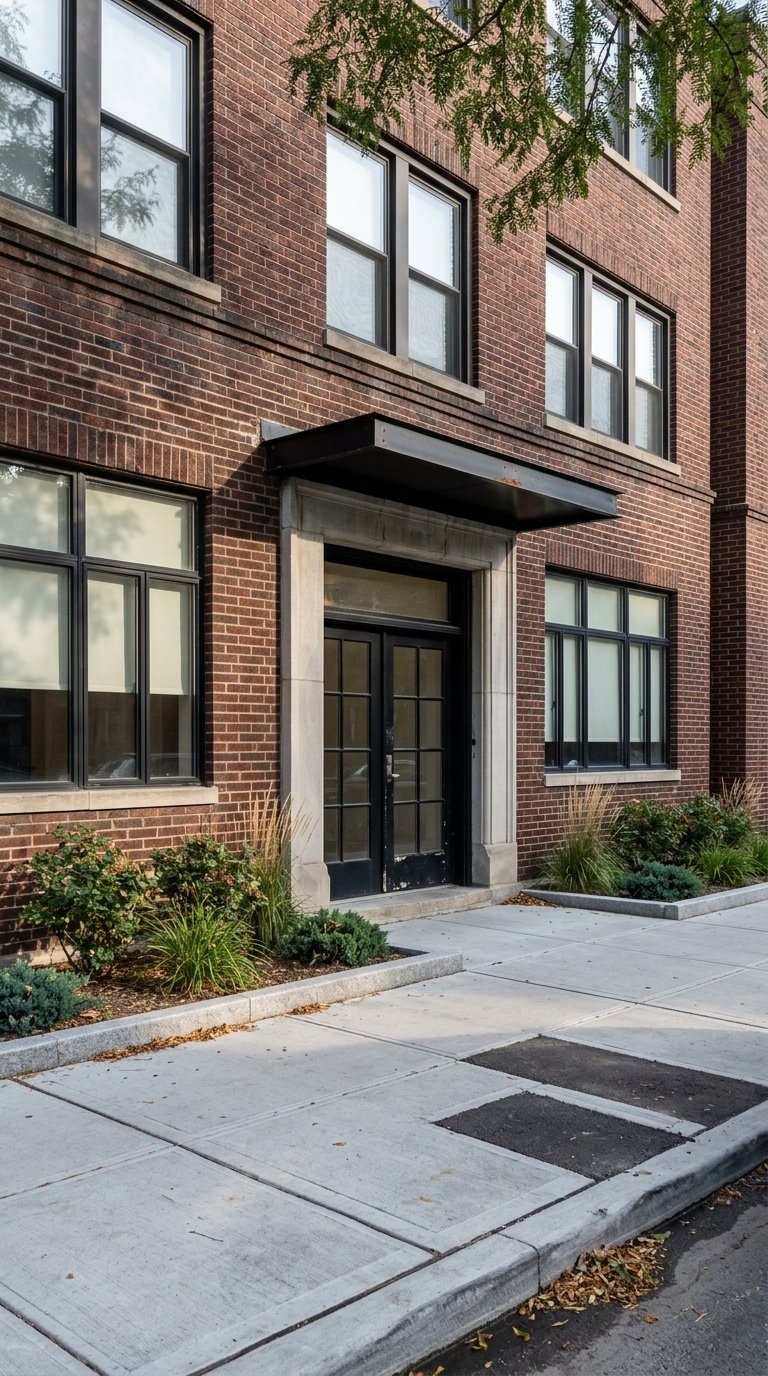
If your priority is convenience, newer condos can be very appealing in Brooklyn Heights. These buildings often emphasize light, views, elevator access, amenity packages, and a more contemporary design approach.
That is one reason newer condos tend to cluster closer to the waterfront edge of the neighborhood. For some buyers, access to Brooklyn Bridge Park, skyline views, and full-service living outweigh the pull of historic detail.
Neighborhood examples reflect that profile. Newer condo residences in Brooklyn Heights often feature open floor plans, large windows, wide-plank floors, and full-service building features, while buildings like Pierhouse illustrate the appeal of newer construction with services and parking.
In a condominium, you own the unit outright and also hold an interest in the common elements. You pay common charges, the unit is separately taxed, and it may be separately mortgaged.
That structure often feels more flexible than a co-op, but it is not rule-free. Condo owners still need to follow the declaration, bylaws, building rules, and board requirements, and those documents can affect leasing, resale, use, or financing.
A newer condo may be the right fit if you value:
Choosing a home style in Brooklyn Heights usually comes down to what you want more of, and what tradeoffs you are comfortable accepting.
| Home style | Typical strengths | Typical tradeoffs |
|---|---|---|
| Brownstone or townhouse | Privacy, character, outdoor access, house-like living | More maintenance, more direct responsibility, landmark review for exterior work |
| Prewar co-op | Classic layouts, shared governance, older-building charm | Board rules, maintenance charges, deeper document review |
| Newer condo | Modern systems, amenities, flexible ownership structure | Less historic character, common charges, building rules still apply |
Think first about how you actually want to live. If stairs, split levels, and room separation sound appealing, a townhouse may fit your routine well. If you want one-floor living with classic proportions, a prewar co-op may be a better match.
If ease is your top priority, a newer condo may make more sense. Elevator access, service staff, and more modern infrastructure can reduce friction in everyday life.
This is one of the clearest dividing lines. Townhouses usually require the most direct attention to maintenance, while co-ops and condos spread much of that responsibility across the building.
That does not mean apartment ownership is maintenance-free. It means your role is shaped more by shared governance, common budgets, and building-wide planning.
Brooklyn Heights gives you a real choice between historic charm and newer service-driven living. Some buyers are happy to trade open-plan layouts for fireplaces, arched doorways, and formal rooms. Others want modern windows, full-service buildings, and a simpler move-in experience.
There is no universal right answer. The best option is the one that supports the way you want to use your home over the next several years.
A smart first step is confirming whether the property is inside the Brooklyn Heights Historic District. The official designation materials can help you understand both the preservation rules and the character of the block you are considering.
That can be especially helpful if you are deciding between a brownstone block, a classic apartment building corridor, or a newer waterfront location. In Brooklyn Heights, those settings can feel very different from one another.
New York City property tools can help you compare homes more accurately. ACRIS allows searches by address or borough-block-lot and gives access to recorded documents such as deeds.
The Department of Finance rolling sales files can also help you review recent sales by neighborhood, building type, and square footage. The city's co-op and condo comparable valuation tool adds another layer by comparing properties by size, age, distance, unit count, and number of stories.
Tax class can help you avoid apples-to-oranges comparisons. In New York City, one-, two-, and three-family homes and condo buildings three stories or less are generally Class 1, while co-op and condo buildings four stories or higher are generally Class 2.
That matters because a townhouse and an apartment in the same neighborhood may sit within different property tax and valuation frameworks. It is one more reason style choice in Brooklyn Heights is not only aesthetic.
Listings can help you understand layout, finishes, and marketing history, but they should not be your only source. For co-ops and condo conversions especially, reviewing the full offering plan, financial reports, board minutes, and any posted violations or building department records can reveal costs or restrictions that are not obvious at first glance.
This kind of review is often where you find the real story. Planned facade work, plumbing replacement, elevator repairs, or roof work can change the financial picture significantly.
In Brooklyn Heights, the right home style is usually less about what is objectively best and more about what fits you best. Brownstones and townhouses offer the deepest sense of ownership and architectural charm, prewar co-ops often deliver classic proportions and shared-building stability, and newer condos bring modern systems and a more contemporary service profile.
If you are unsure where you land, start with your non-negotiables: layout, maintenance tolerance, privacy, building rules, and the kind of block you want to come home to. When you get those priorities clear, the right Brooklyn Heights home style usually becomes much easier to spot.
If you want help narrowing your options in Brooklyn Heights or comparing co-ops, condos, and townhouses across Brooklyn, connect with Nat Guerriera for thoughtful, neighborhood-focused guidance.
Pen Realty greets clients with a devotion to seamless home sales and a professional promise to buy or list with expert confidence.
Get in Touch With Our Team to Learn More