Is Carroll Gardens the Right Move From Park Slope?
May 21, 2026
May 21, 2026
Thinking about your next move in Brooklyn often comes down to one big question: what kind of daily life do you want next? If you are weighing Carroll Gardens, you are probably looking for more than square footage alone. You want character, convenience, and a neighborhood that feels grounded. This guide will help you understand what Carroll Gardens offers, how it compares with nearby alternatives, and what trade-offs may matter most as you plan your next chapter. Let’s dive in.
Carroll Gardens offers a very specific kind of Brooklyn experience. It sits in the borough’s brownstone belt and is known for its historic feel, walkable blocks, and strong neighborhood identity. The area is also part of Brooklyn’s landmarked historic district landscape, alongside Park Slope and Cobble Hill.
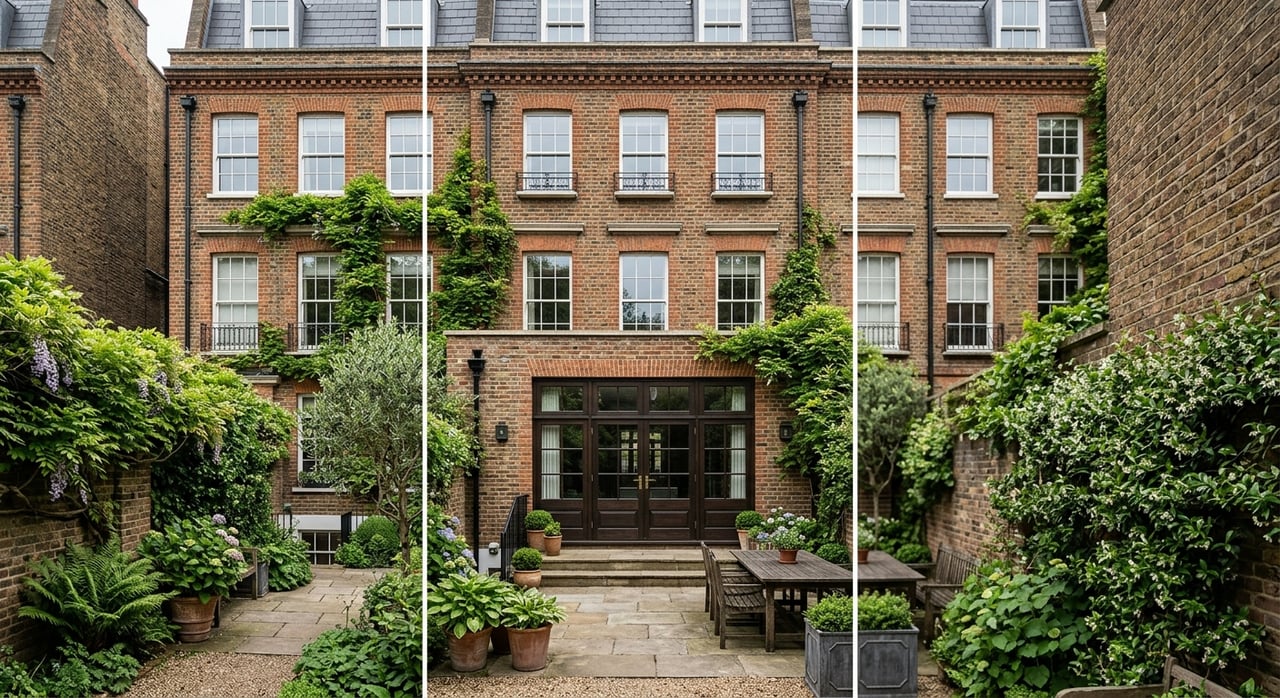
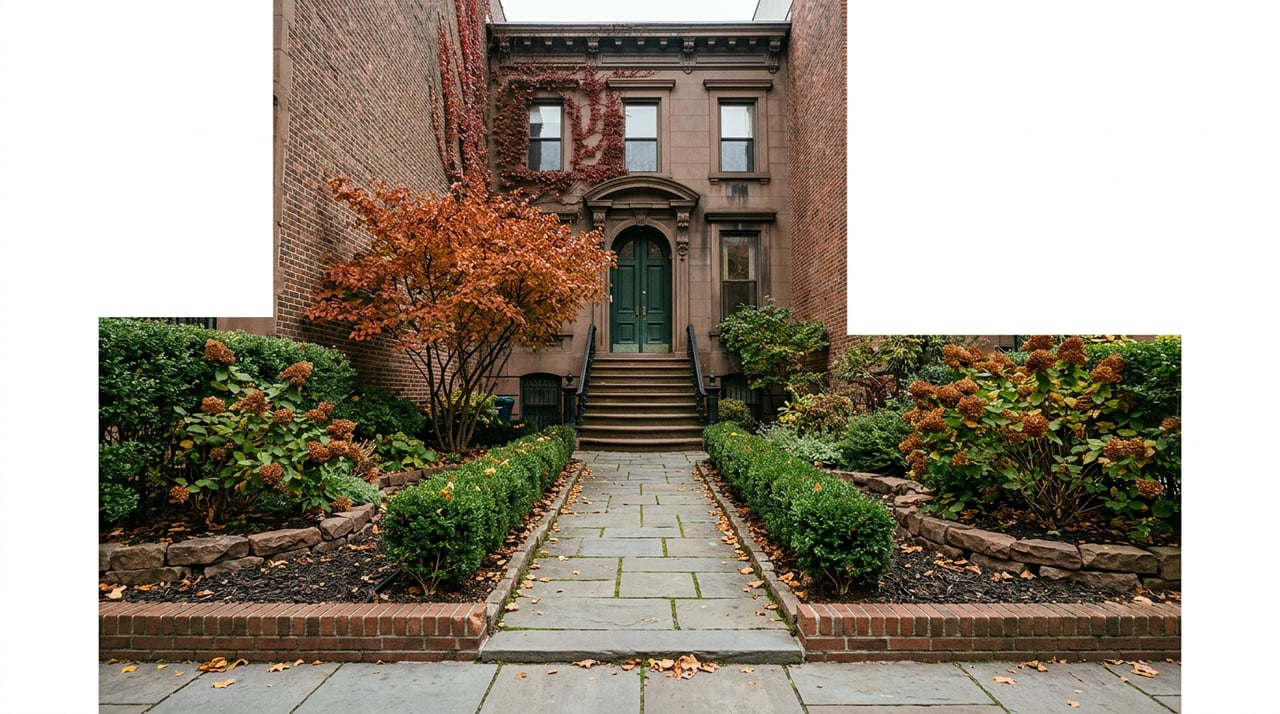
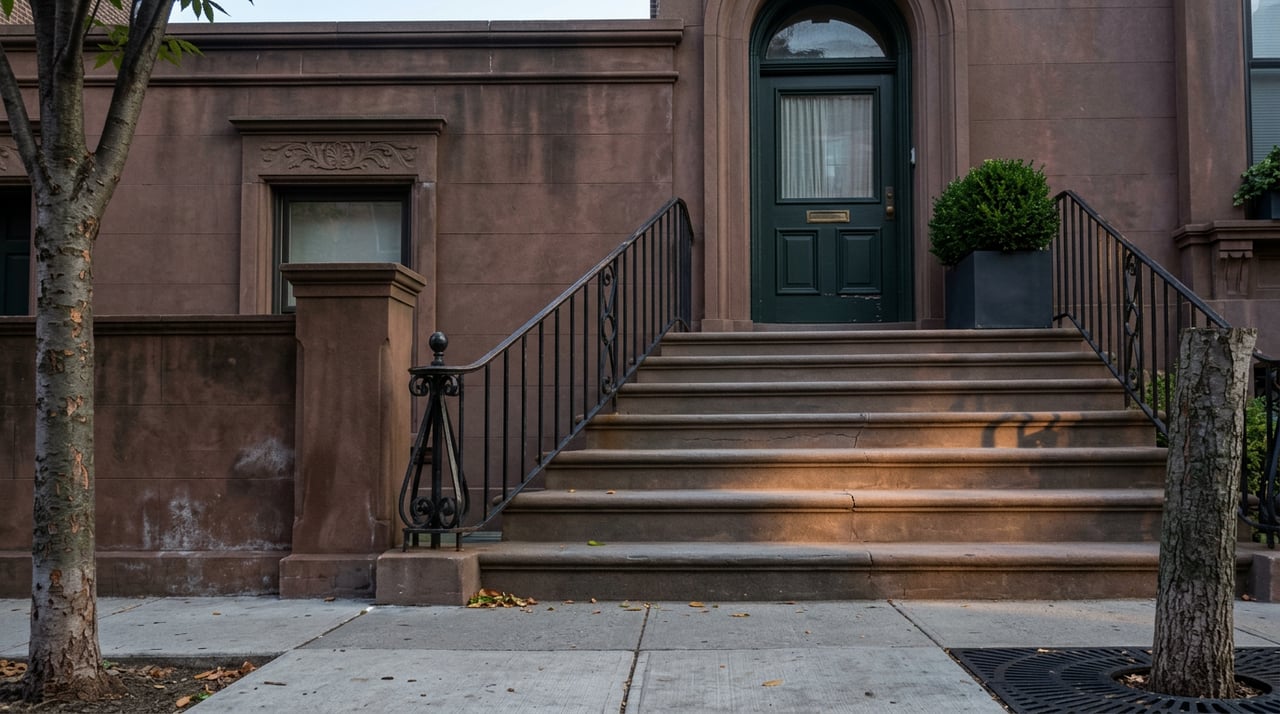
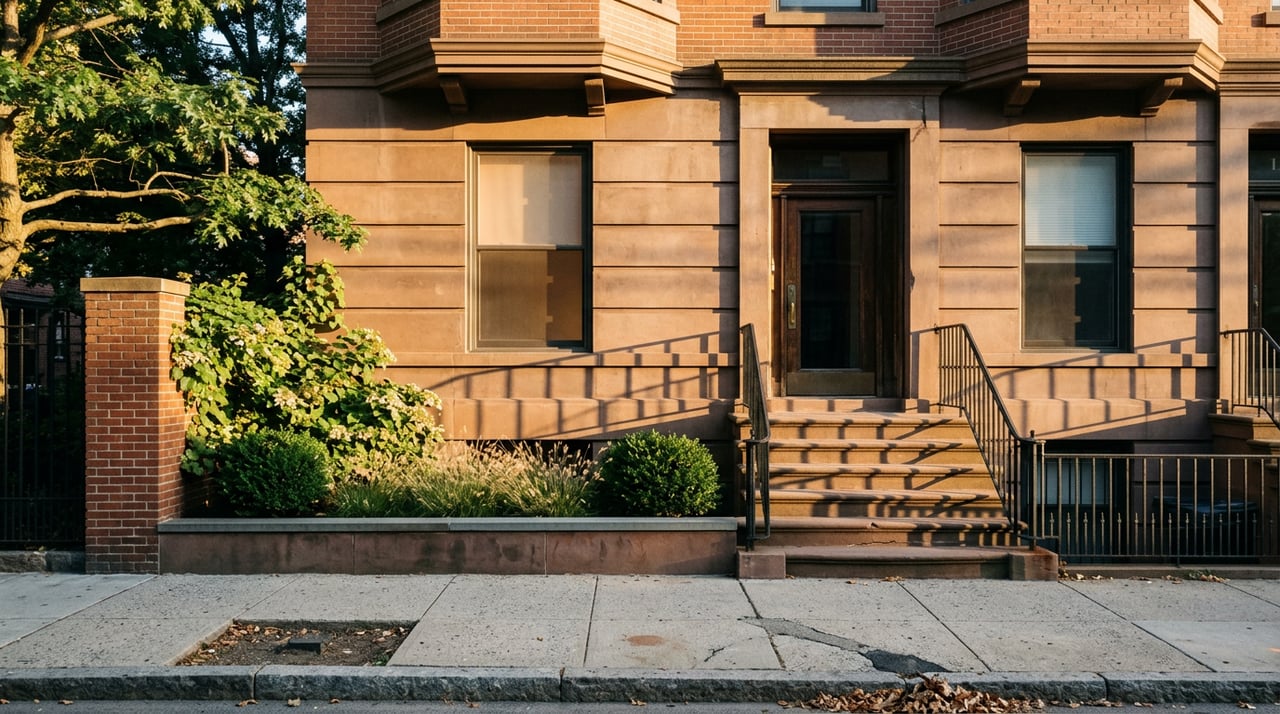
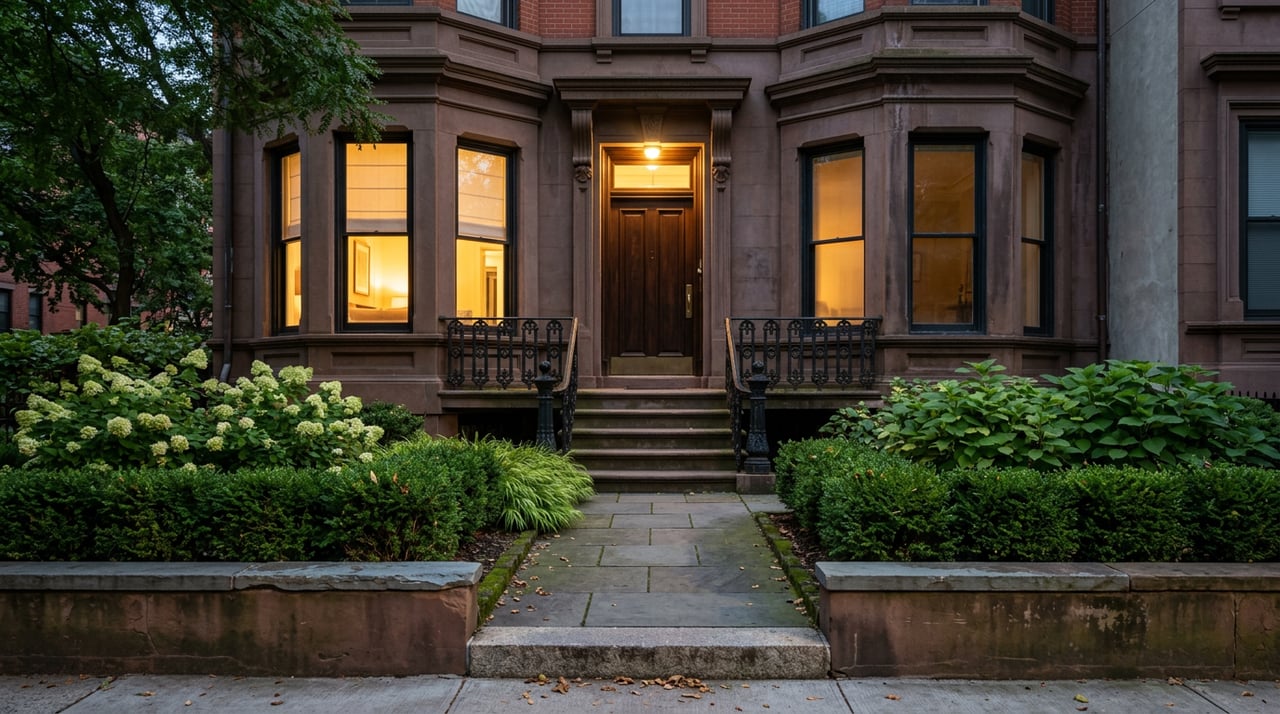
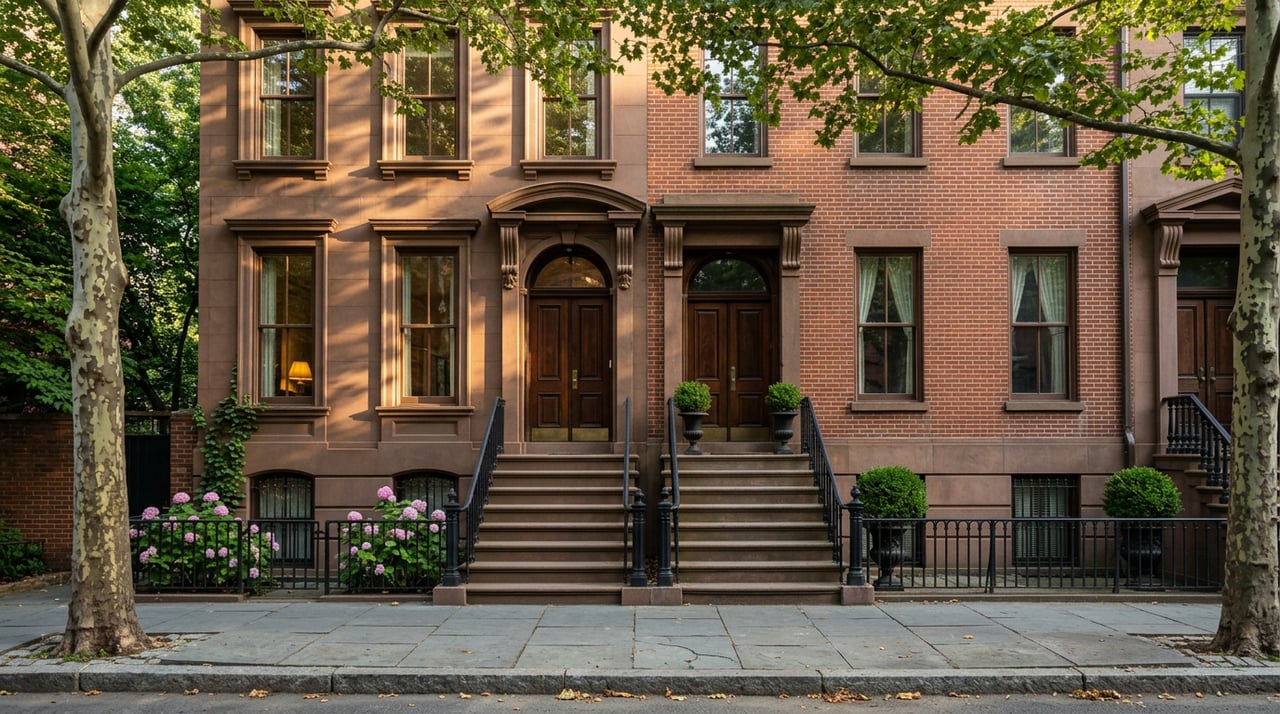
What many buyers notice first is the streetscape. Carroll Gardens is known for front gardens, stoops, and leafy blocks that feel intimate rather than busy. That gives the neighborhood a calm, local rhythm that can feel especially appealing if you want a residential setting without giving up city energy.
StreetEasy describes Carroll Gardens as a former Italian enclave that has grown into a friendly, destination neighborhood. That mix of old-school roots and everyday livability is a big part of its appeal. If your goal is a classic brownstone Brooklyn lifestyle, Carroll Gardens fits that picture well.
One of the most important things to know is that inventory tends to be limited. Carroll Gardens has more co-ops than condos, and many rentals are in walk-up buildings instead of larger amenity properties. In practical terms, that means you may find more classic homes and fewer newer buildings with elevators, gyms, and full-service features.
For many buyers, that is not a drawback. It is the point. If you are drawn to original details, townhouse blocks, and a more traditional neighborhood fabric, Carroll Gardens can feel like a strong match.
Still, it helps to go in with clear expectations. Compared with denser or newer submarkets, you will likely see fewer new-development options and less amenity-heavy inventory. Your search may be more about finding the right fit in a tight market than browsing a wide range of building styles.
If you are considering Carroll Gardens, there is a good chance you are also looking at Park Slope or Cobble Hill. All three are premium Brooklyn neighborhoods, but they offer different trade-offs.
Carroll Gardens feels old-school, local, and highly residential. It is the kind of neighborhood where the streetscape does a lot of the work. Front gardens, lower-density blocks, and neighborhood retail shape the experience more than major destinations do.
For move-up buyers, Carroll Gardens can make sense as a lateral-to-slight-up move. You get strong brownstone character, a close-knit feel, and solid local retail, but usually less big-park access and less new inventory than Park Slope.
Park Slope has many of the same brownstone qualities, but its housing mix is broader. In addition to historic townhouses, it offers prewar co-ops and rentals that can create more variety in the market. It also has a distinctly park-oriented identity.
Prospect Park is a major draw here. At 526.25 acres, it offers a zoo, ice rink, carousel, athletic facilities, and significant natural space. If daily park access is central to your lifestyle, Park Slope has a clear advantage.
Cobble Hill shares much of the same brownstone DNA as Carroll Gardens, but it tends to feel more polished and more expensive. It is known for elegant brownstones, larger brick townhouses, low turnover, and a small-town character.
If you are comparing the two, Carroll Gardens often feels a little more lived-in and relaxed. Cobble Hill can feel more refined and more tightly held. Both can appeal to buyers who want historic housing stock and a neighborhood-scale lifestyle.
Active listing and closed-sale data can tell slightly different stories, so it is smart to look at both. Realtor.com’s current listing snapshot places Carroll Gardens at about $1.70 million with pricing around $1.5K per square foot. Park Slope comes in around $1.52 million and $1.4K per square foot, while Cobble Hill is around $2.30 million and $1.5K per square foot.
StreetEasy’s closed-sale medians show higher numbers overall. There, Carroll Gardens is at $2.3 million, Park Slope at $1.7 million, and Cobble Hill at $2.5 million. Median base rents are listed at $4,500 in Carroll Gardens, $4,100 in Park Slope, and $4,595 in Cobble Hill.
The takeaway is less about exact rank and more about market position. These are all premium Brooklyn neighborhoods. Carroll Gardens and Cobble Hill tend to feel tighter and more townhouse-forward, while Park Slope offers a broader mix of housing types.
Lifestyle is where Carroll Gardens becomes easier to understand. This is not a neighborhood defined by one huge attraction. Instead, it is shaped by pleasant blocks, local shops, and a steady street life that feels comfortable and familiar.
StreetEasy points to old-school Court Street spots and lively Smith Street bars and restaurants as part of the neighborhood’s draw. It also highlights neighborhood favorites like Frankies 457, Prime Meats, and Buttermilk Channel. Together, those details paint a picture of a place where dining and social life feel woven into everyday routines.
That is different from Park Slope, where Prospect Park is such a major lifestyle anchor. It is also different from Cobble Hill, which leans more on pocket parks and a quieter, more polished atmosphere. Cobble Hill Park, for example, is just 0.58 acre, which helps explain its more intimate, residential feel.
For buyers thinking ahead about school options, Carroll Gardens is firmly part of the NYC DOE District 15 conversation. Official district information places both P.S. 058 The Carroll and P.S. 029 John M. Harrigan in District 15. Cobble Hill also falls into that same general district conversation.
Park Slope is a little broader in this area. Depending on the block, buyers may be comparing District 15 and District 13 options. Named examples from the official district information include P.S. 321 William Penn in District 15 and P.S. 282 Park Slope in District 13.
This does not make one neighborhood universally better than another. It simply means your search may be narrower in Carroll Gardens and Cobble Hill, while Park Slope can involve a wider district-level comparison depending on location.
Carroll Gardens can be a strong fit if you want your next move to feel more rooted than flashy. It tends to appeal to buyers who care about streetscape, neighborhood identity, and classic Brooklyn housing more than building amenities.
You may be especially drawn to Carroll Gardens if you want:
On the other hand, another nearby neighborhood may fit better if your priorities are different.
If you are choosing between these neighborhoods, try not to frame it as a search for the single best area. A better question is which trade-off best supports your next stage of life.
Carroll Gardens offers intimacy, character, and a strong sense of place. Park Slope offers broader housing options and major park access. Cobble Hill offers polish, exclusivity, and many of the same brownstone qualities at a generally higher price point.
When you look at it that way, the path gets clearer. Your next move is not just about comps or square footage. It is about how you want Brooklyn to feel when you step outside your door each day.
If you are weighing Carroll Gardens against Park Slope, Cobble Hill, or another nearby neighborhood, working with a brokerage that understands Brooklyn block by block can make the process far less overwhelming. Nat Guerriera brings a neighborhood-first approach, hands-on guidance, and local market perspective to help you find the right fit for your next move.
Pen Realty greets clients with a devotion to seamless home sales and a professional promise to buy or list with expert confidence.
Get in Touch With Our Team to Learn More