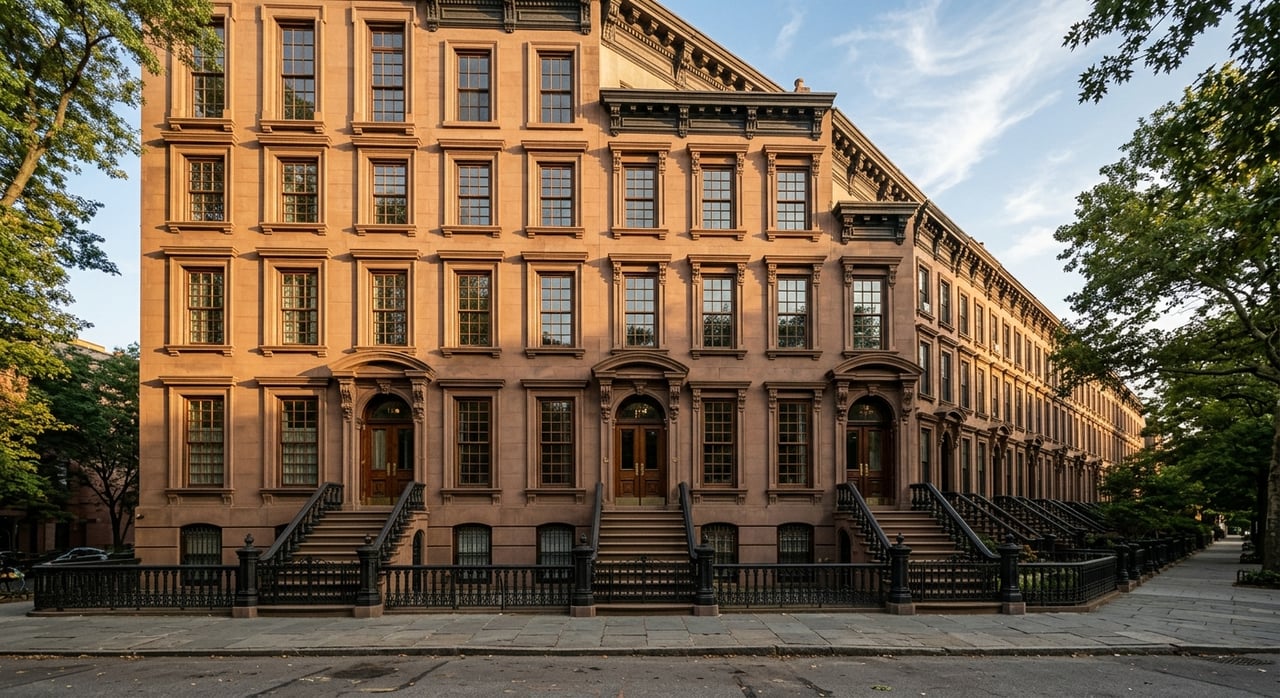
Best Time to Sell a Park Slope Brownstone
April 16, 2026
April 16, 2026
If you’re thinking about selling your Park Slope brownstone, timing can feel like the biggest question of all. You want to list when buyer demand is strong, competition is manageable, and your home is ready to make the right impression. The good news is that the data points to a practical window, and with the right prep, you can make that timing work for your goals. Let’s dive in.
For most Park Slope brownstone owners, the strongest planning target is a spring launch. Based on Realtor.com’s 2025 best time to sell analysis for the New York-Newark-Jersey City metro, the best week landed around March 23, with 19.2% more views per property, homes selling 9 days faster, and 7.7% fewer active listings than average.
That metro-level timing matters more than broad national headlines. The same research showed a different national sweet spot, which is a helpful reminder that Park Slope sellers should focus on local and metro patterns, not just general real estate advice.
Park Slope is not a high-volume market for brownstones. It is a premium, thinly traded townhouse market where presentation, pricing, and timing all carry extra weight.
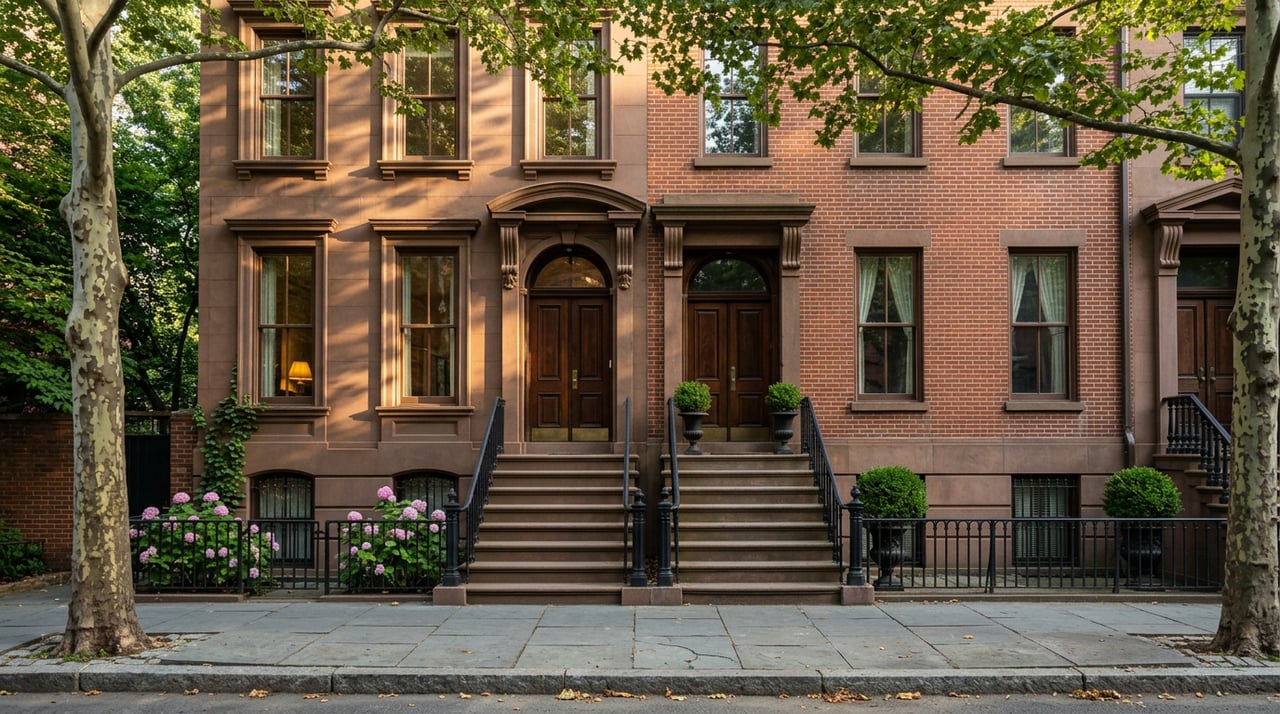
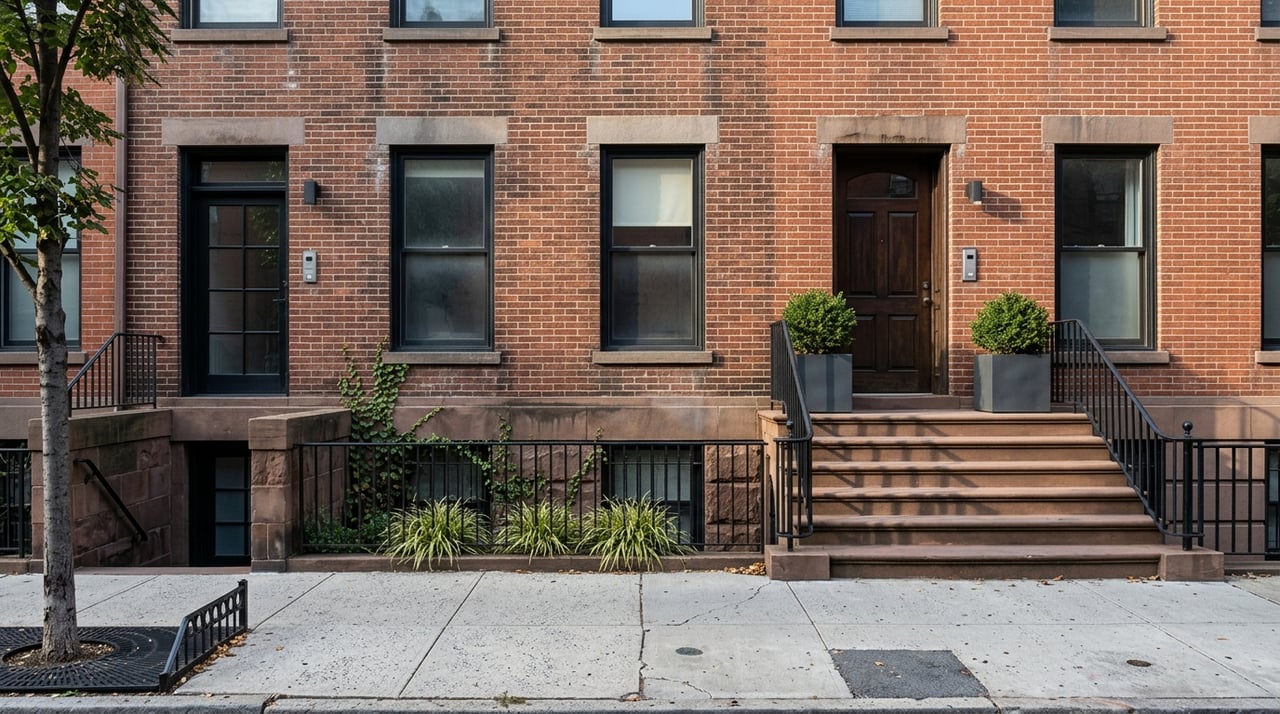
According to StreetEasy’s Park Slope neighborhood profile, the area is known for rows of townhouses and brownstones, and these homes can command $3 million or more. At the same time, PropertyShark’s January 2026 data showed just 20 total transactions for the month, including only 1 house sale, with a median house sale price of $2.7 million.
That small sample size matters. In a market with limited house inventory, buyers tend to compare each listing closely, and sellers benefit when demand is strongest and their home stands out.
A directional look at recent PropertyShark Park Slope monthly market trends suggests that spring and early summer have often outperformed fall. In 2025, median sale price rose from $1.2 million in March to $1.6 million in June and $1.5 million in July, then softened into the $1.3 million to $1.4 million range later in the year.
That does not create a guaranteed pricing calendar for brownstones. Monthly sales counts are small, so it is better to treat this as a pattern, not a promise. Still, the pattern supports what many local sellers already suspect: being market-ready by late winter and aiming to list between late March and early May is often the safest strategy.
It is easy to assume that a Park Slope brownstone will sell quickly no matter when it hits the market. The data suggests a more measured reality.
Recent trackers place Park Slope at roughly 44 to 50 days on market and near asking price, which points to a balanced, price-sensitive environment rather than an automatic seller’s market. In other words, even in a desirable brownstone neighborhood, buyers are still paying attention to value.
That makes timing only one part of the equation. If you list in spring but price too aggressively, you may still lose momentum. If you list a little later but bring a polished home to market at a smart price, you may still outperform expectations.
The calendar matters, but it is not the only lever. Buyer confidence can shift quickly when rates and inventory change.
As of April 9, 2026, Freddie Mac’s Primary Mortgage Market Survey reported a 6.37% average for a 30-year fixed mortgage and 5.74% for a 15-year fixed mortgage. Meanwhile, New York City’s February 2026 financial plan noted that sales inventory rebounded 9.3% in 2025, the first annual increase since the pandemic, and mortgage rates stayed mostly between 6% and 7% during 2025.
More inventory gives buyers more choices. StreetEasy’s January 2026 market outlook also pointed to growing inventory through new listings, even as homes were expected to sell faster in 2026.
For you as a seller, the takeaway is simple: the best listing window gets even better when rates improve or buyer confidence rises. If financing becomes a little easier and your home launches during the spring push, that combination can help attract serious attention.
If your target is a spring listing, preparation should begin well before spring. A realistic benchmark is three to four months before your intended list date.
Zillow’s research on listing timing says most people start thinking about selling that far ahead, and Realtor.com found that 53% of sellers took one month or less to get ready. For a Park Slope brownstone, that timeline can feel tight, especially if you need touch-ups, decluttering, staging, photography, and pricing strategy lined up before launch.
If you hope to list in late March, it often helps to start planning in November through January. That gives you time to:
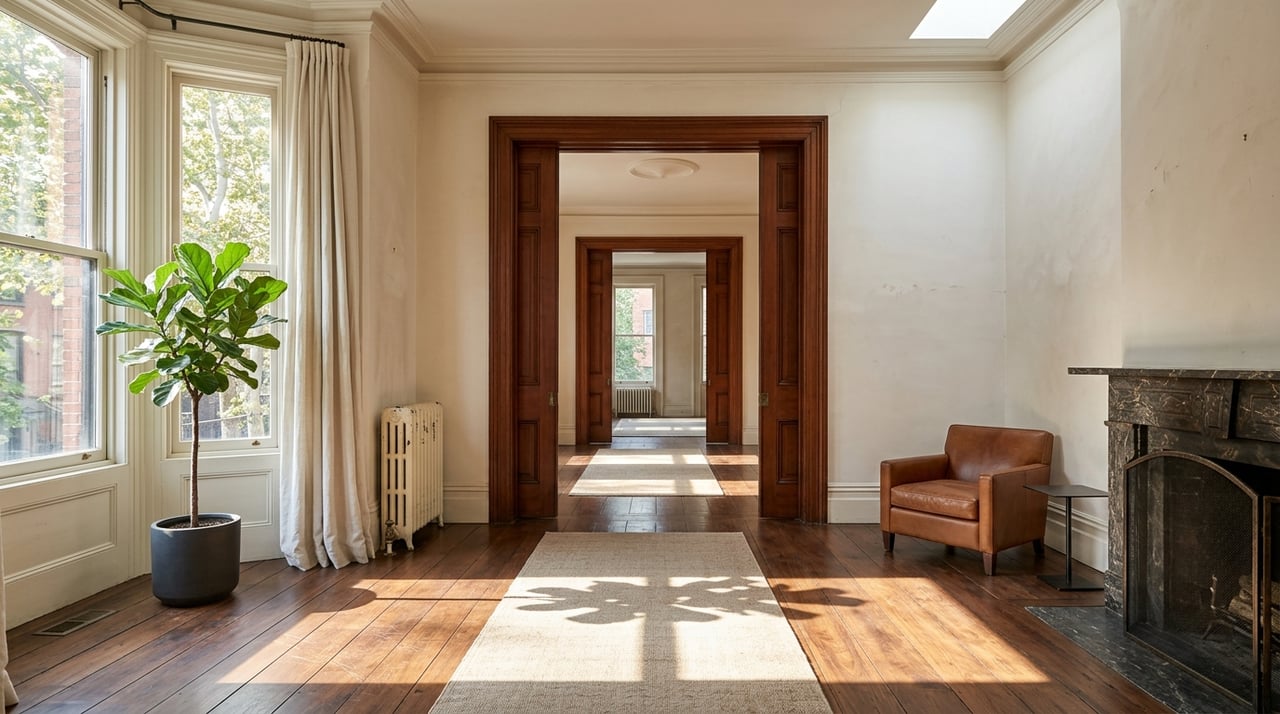
Brownstones are detail-driven homes. Buyers notice condition, flow, light, and how well original character is presented. Giving yourself enough runway can make a meaningful difference.
Even with good market data, the best list date is still personal. Your home condition, moving plan, and next purchase all matter.
If your home is updated and ready to go, the data favors a launch from late March through early May. That window lines up with stronger metro-level demand and a seasonal pattern that has generally favored spring sellers in Park Slope.
If the brownstone needs repairs, painting, or a broader refresh, rushing to hit a calendar date may not be worth it. In a premium market with relatively few house sales, condition and presentation matter just as much as timing.
A well-prepared listing can outperform a rushed spring debut. That is especially true when buyers are comparing a small number of high-value homes closely.
This is where timing gets more complicated. According to Realtor.com’s 2025 best time to buy analysis, the New York City metro’s best buying window was early to mid-September, with fall often bringing more inventory and less competition.
That creates a common mismatch. Spring may be better for selling, while early fall may offer a better buying setup. If you are both selling and buying, you may need a plan for temporary housing, a rent-back arrangement, or another bridge strategy to stay flexible.
Not every seller should push for the next spring market. In some cases, waiting can be the smarter move.
You may want to hold off if:
Waiting should not mean doing nothing. It can mean using extra time to improve condition, build a pricing strategy, and launch with more confidence when the window is right.
The strongest results usually come from combining good timing with strong execution. In Park Slope, that means more than simply listing during a busy week.
It means presenting the brownstone well, pricing it with discipline, and marketing it to the right audience. In a neighborhood where every block and townhouse layout can feel a little different, local context matters.
If you’re weighing when to sell, a smart first step is to review your home’s condition, your timeline, and the current competition together. That kind of neighborhood-specific planning can help you decide whether to aim for this spring, prepare for a later launch, or build a buy-and-sell strategy that works on both sides of the move. When you’re ready for that conversation, Nat Guerriera can help you map out a timing and pricing plan built around your Park Slope goals.
Pen Realty greets clients with a devotion to seamless home sales and a professional promise to buy or list with expert confidence.
Get in Touch With Our Team to Learn More