Small-Scale Greenwood Heights Investment Opportunities
March 5, 2026
March 5, 2026
Is Greenwood Heights the right place for your next small multifamily or mixed-use buy? If you want near-Park Slope convenience without Park Slope pricing, this pocket of 11232 should be on your list. You care about hard numbers, zoning reality, and a plan that respects today’s operating costs. In this guide, you’ll see current prices and rents, what types of buildings trade here, renovation and regulatory basics, and a checklist to run due diligence with confidence. Let’s dive in.
Vendor snapshots differ by map boundary and timing, so look at both the zip and the neighborhood lens. Realtor.com reported a 11232 median home price of about $1.08M and a median rent of $3,550 per month in Dec 2025. StreetEasy called Greenwood Heights a “Neighborhood to Watch” for 2025, noting a median asking price near $1.5M and a median asking rent around $3,250 in its early 2025 look. These are different samples and dates, which explains the gap.
For small-multifamily assets, recent examples help frame the range. In 2025, a two-family at 308 23rd St recorded a sale near $1.57M (StreetEasy listing record). A multi at 335 21st St was listed around $2.095M in 2025. A six-unit at 238 26th St showed listing activity around $1.95M in 2024–2025. These illustrate a practical investor range for 2–6 unit buildings between roughly $1.2M and $2.2M depending on size, condition, and rent status.
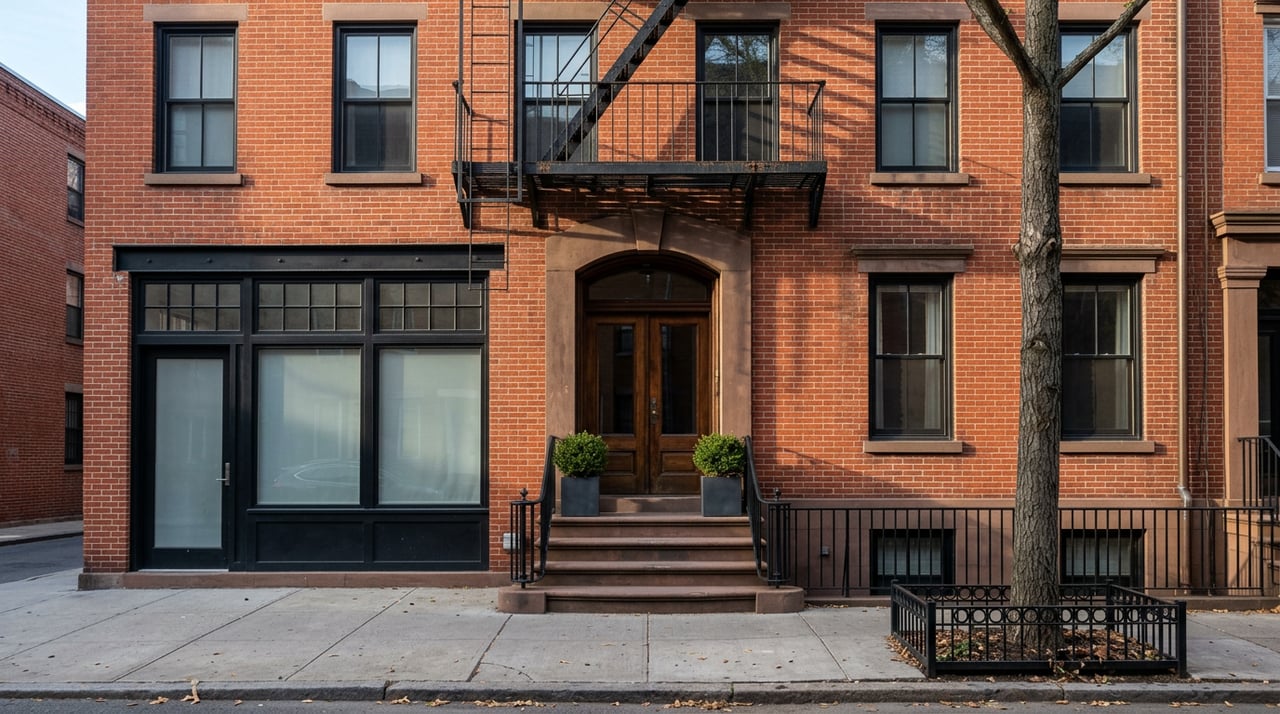
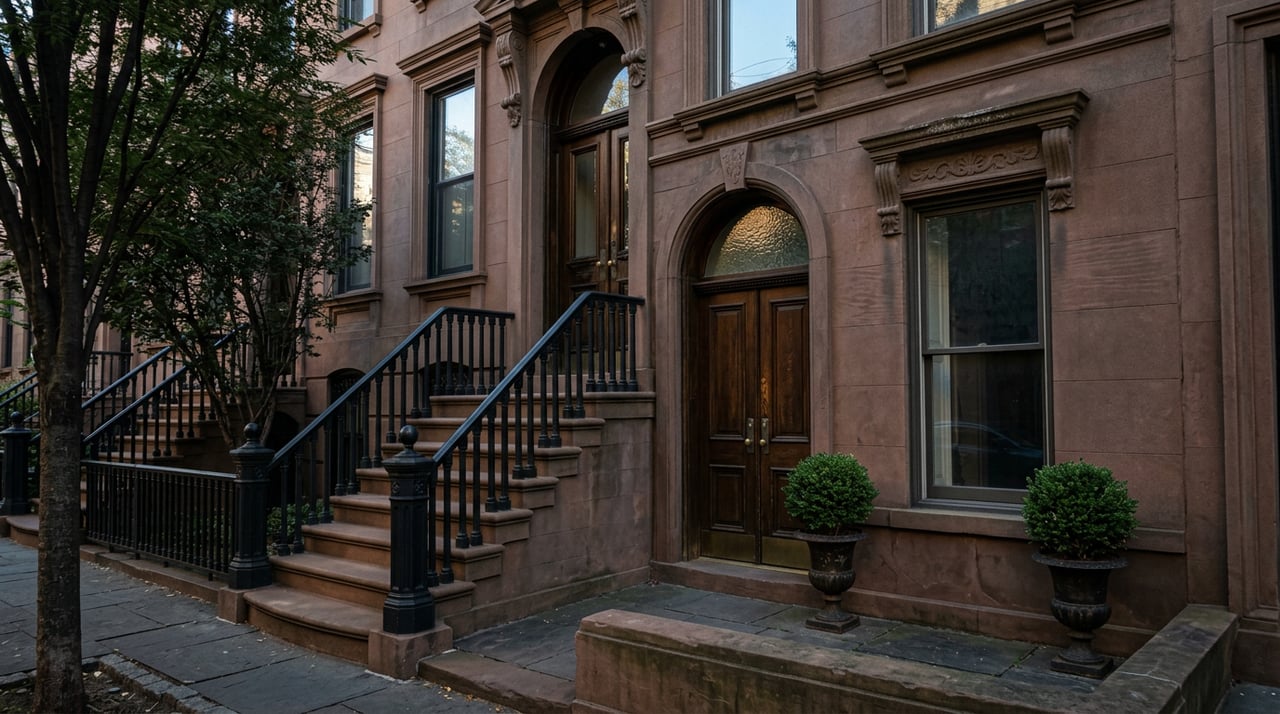
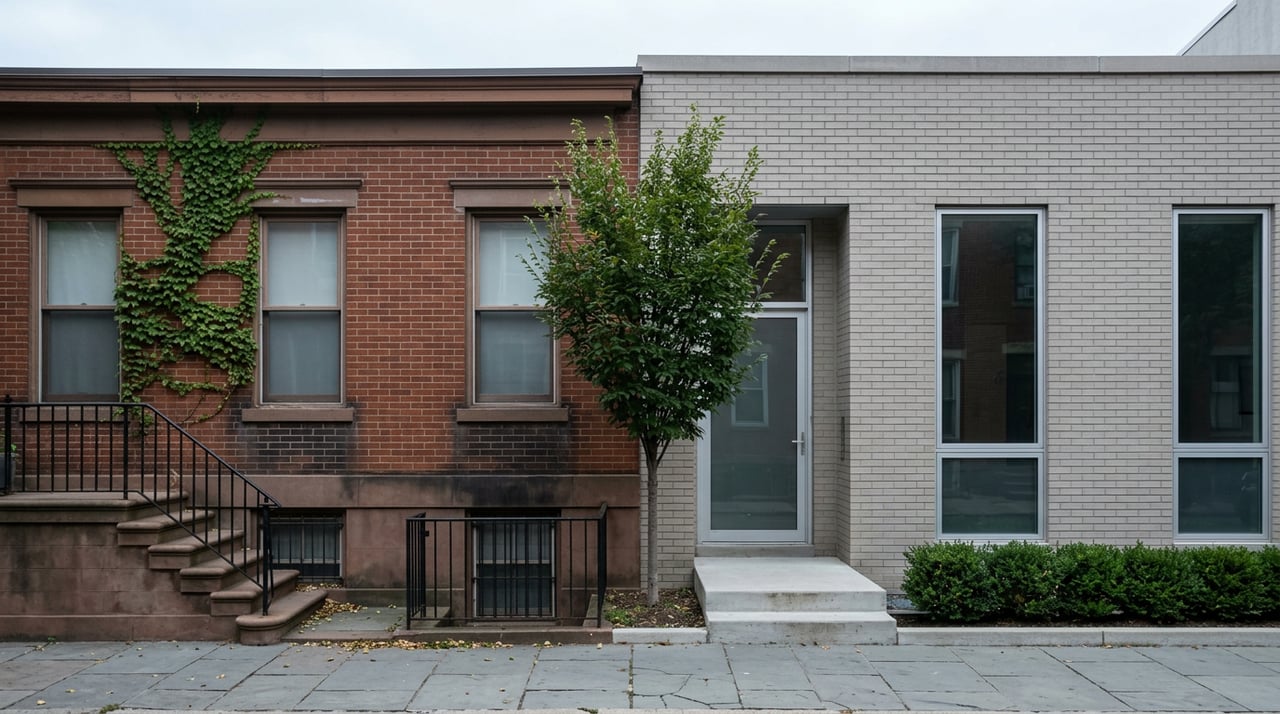
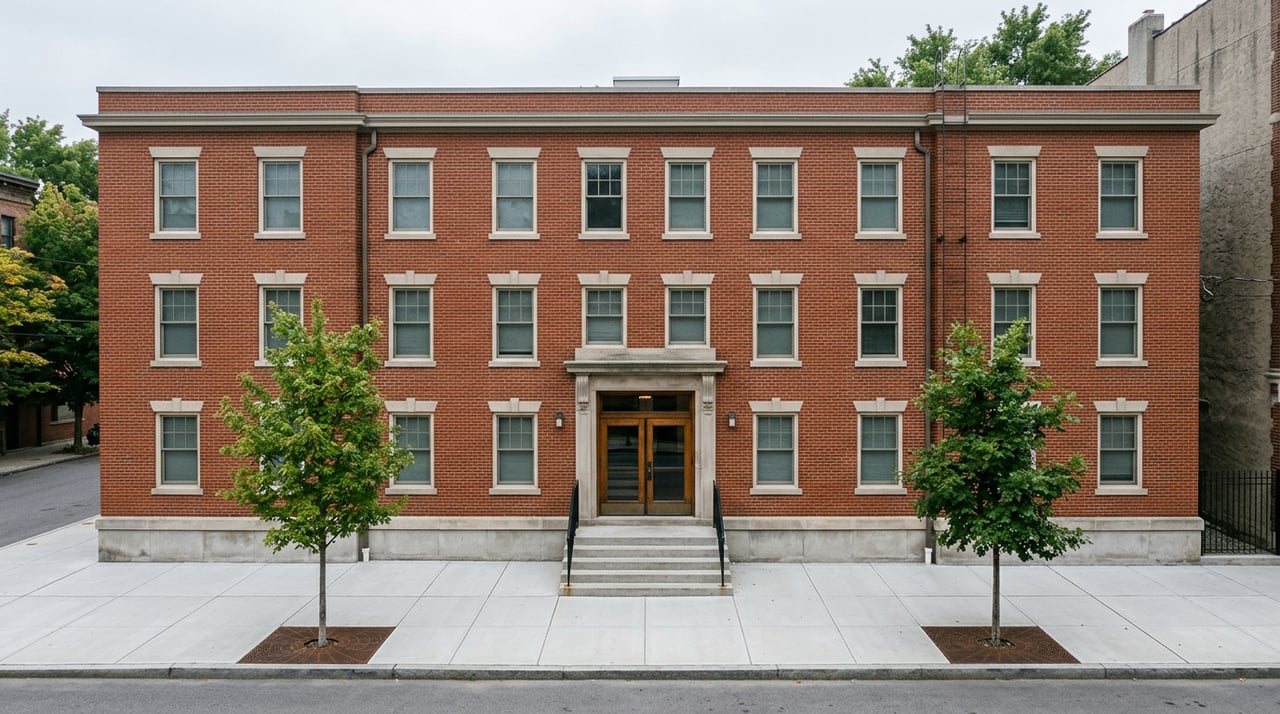
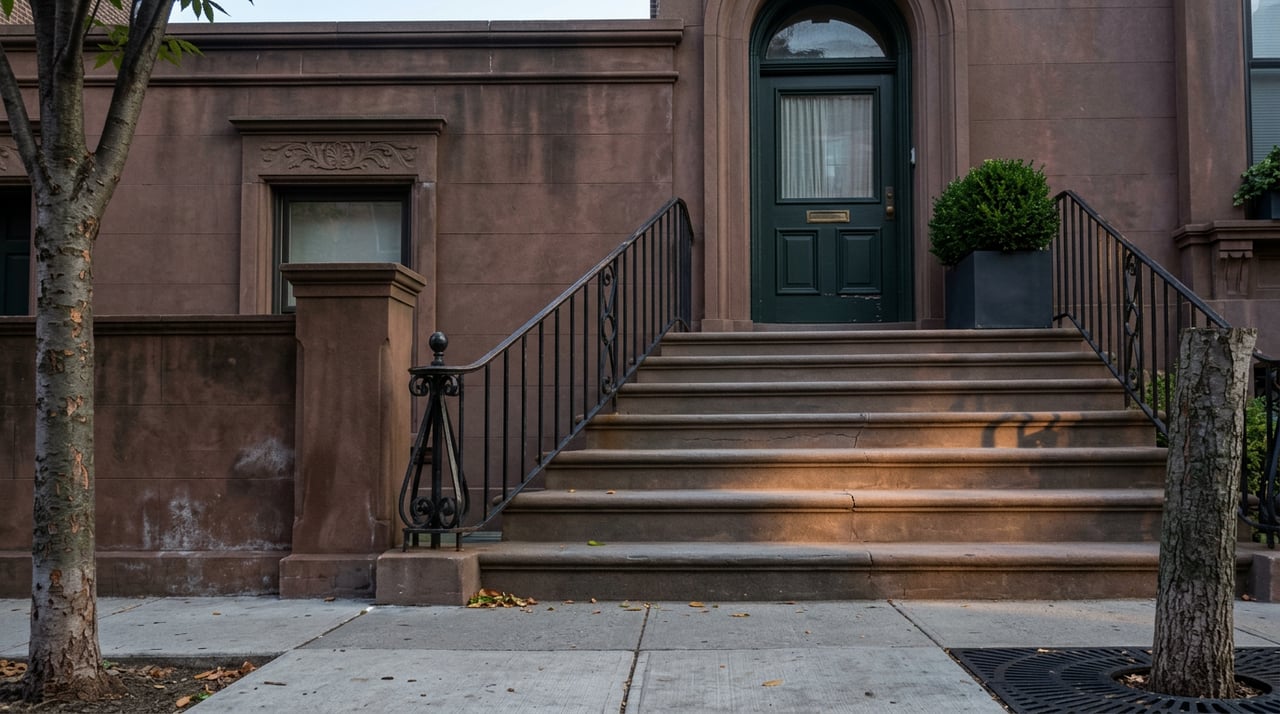
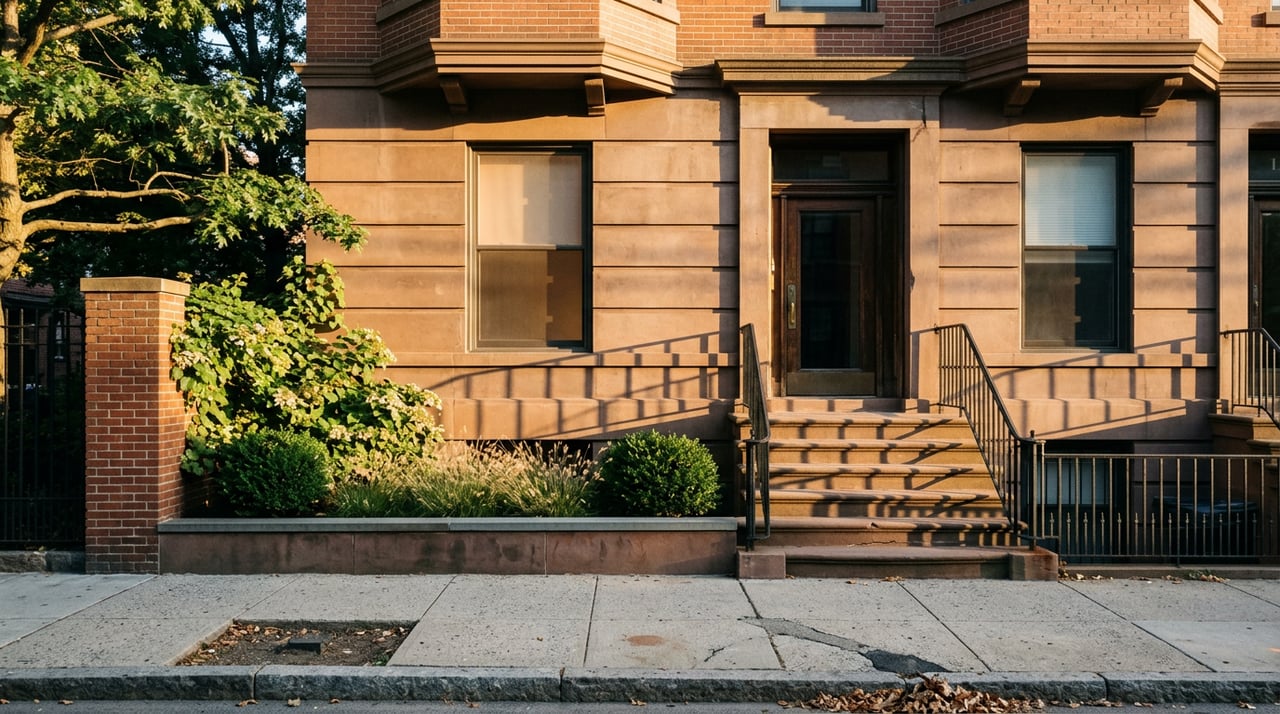
Greenwood Heights and the northern blocks of Sunset Park are largely low-rise, pre-war streets with two-family rowhouses, small walk-ups with 2–6 units, and occasional carriage house conversions. You will also see boutique condo infill on select lots. Many rowhouses date from about 1890 to 1930 and were built as two-family homes, which supports flexible owner-occupant or rental strategies. For neighborhood context, see the Sunset Park profile on Wikipedia that includes Greenwood-adjacent blocks.
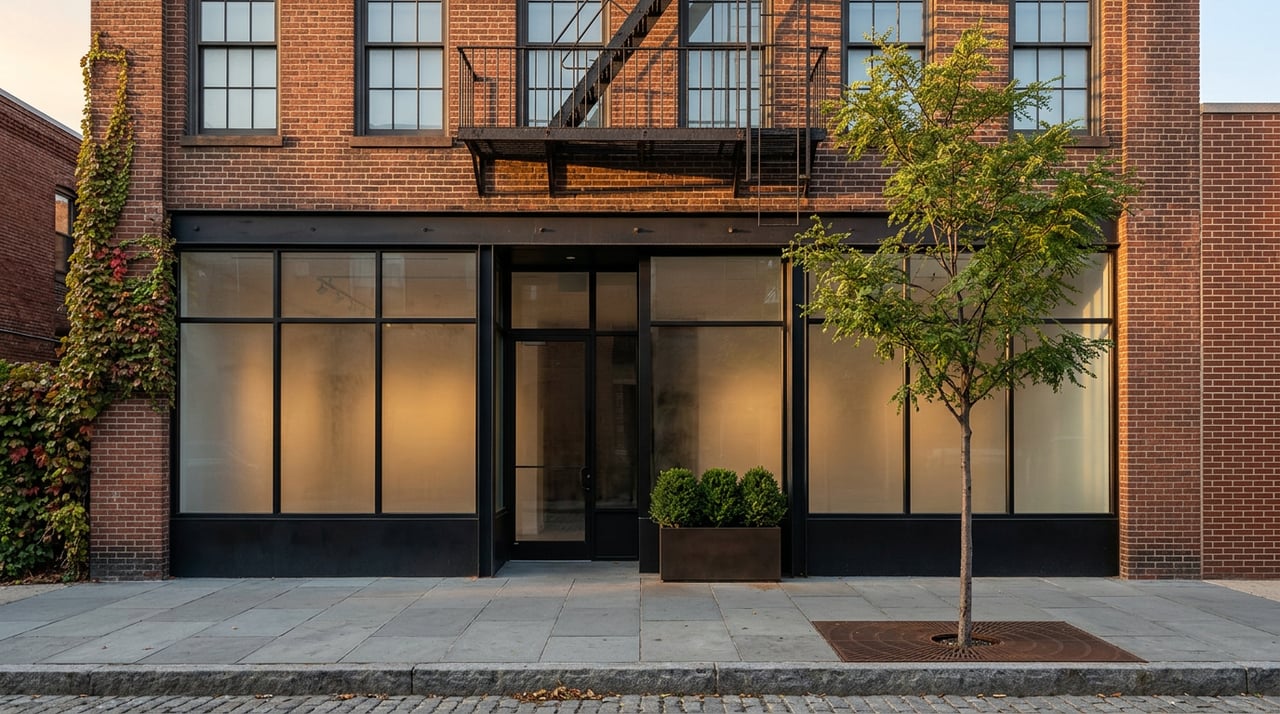
Zoning is a patchwork. East of 3rd Avenue, many residential parcels fall into R districts such as R6 or R6B, which control height, bulk, and permitted floor area. Closer to the waterfront, M districts allow light industrial or commercial uses, which affects conversion potential. Mixed-use and retail often concentrate on 3rd, 4th, 5th, and 7th Avenues, where you will find upstairs residential with a ground-floor storefront. Confirm each lot’s map and permitted envelope before you model any additions or unit reconfigurations.
On asking rents, StreetEasy’s early 2025 snapshot showed roughly $3,250 at the neighborhood level. Realtor.com’s Dec 2025 zip-level look cited about $3,550 per month. The differences reflect dataset scope and timing. Demand is supported by proximity to Park Slope and Prospect Park, D/N/R subway access, the green space of Green-Wood Cemetery, and amenity and employment growth tied to Industry City and nearby waterfront districts. These factors draw a mix of long-term locals and newer renters who prefer quieter streets near the Slope at relatively lower prices. For a broader area view, see Sunset Park, Brooklyn.
Citywide, mid-2025 commentary places free-market multifamily average cap rates in the mid-5 percent range, with prime Brooklyn trading lower and more peripheral or regulated stock trading higher. Use local comps and current rent rolls to pin down your target yield for Greenwood Heights. For a broad market view, see this NYC overview from Crexi.
Consider a four-unit brick walk-up at $1.5M with current gross rents of $10,500 per month ($126,000 per year). If operating expenses land near 45 percent, net operating income would be around $69,300. That produces an approximate 4.6 percent cap rate. To reach 6 percent at the same price, NOI would need to be close to $90,000. The path there could be targeted rent increases where legal, modest expense savings, or a lower purchase price. Always verify rent status first.
Taxes and insurance have risen for many NYC owners, which can compress cash flow. Analyses point to real increases in these line items for rent-regulated and affordable properties, and many market-rate owners report sharper insurance renewals as well. It is smart to budget conservative operating costs and test higher policy premiums in your model.
If you plan a cosmetic turn on apartments between tenancies, a light scope can start in the ballpark of $50 to $150 per square foot based on NYC contractor guides. Paint, floors, basic fixture swaps, and selective kitchen or bath updates can help reposition units with limited downtime.
For older pre-war stock, full gut renovations of apartments often fall in a midrange near $250 to $450 per square foot. Kitchens, baths, electrical, and plumbing tend to drive costs. Scope and finish level push the number up or down, so get multiple local bids for accuracy.
Architecture, DOB filings, permits, and expediting typically add tens of thousands of dollars to a building-wide plan. A practical allowance can be $20,000 to $60,000 depending on scope and complexity. Build a contingency for surprises such as asbestos, outdated wiring, or structural fixes.
Rent regulation is central to underwriting. In NYC, units can be rent-stabilized, and buildings with six or more apartments may have multiple stabilized units. New York State Homes and Community Renewal (DHCR/HCR) controls rules for Major Capital Improvements (MCI) and Individual Apartment Improvements (IAI). These programs allow limited rent increases under strict formulas with documentation and filings. Since 2019, rule changes narrowed the increases and tightened collection rules. This means renovation spend rarely produces market-rate rents in stabilized apartments. Always verify rent status with DHCR records and a seller rent roll before you underwrite upside.
Use this short list to organize your work before you write an offer:
Expect Greenwood Heights to price below South Slope and Park Slope but above deeper Sunset Park, especially on industrial-adjacent blocks. In late 2025 snapshots, Greenwood Heights showed median list pricing near $995k in one vendor’s 11232 neighborhood table, while South Slope appeared higher near $1.199M and broader Sunset Park lower around $650k. Neighborhood medians move with inventory mix, so confirm with live comps on your target block.
If you want a near-core Brooklyn location with established housing stock, transit access, and steady renter demand, Greenwood Heights is a practical choice. The sweet spot for small-scale investors is 2–6 unit walk-ups and mixed-use on the 3rd to 7th Avenue corridors. Underwrite with realistic operating costs, rent-regulation awareness, and clear renovation budgets, and you can find opportunities that balance yield with location quality.
When you are ready to evaluate a specific building in 11232, bring in a local team that understands rent rolls, DOB records, and block-by-block pricing. If you want a personalized plan, talk with Nat Guerriera to Request Your Signature Market Valuation.
Pen Realty greets clients with a devotion to seamless home sales and a professional promise to buy or list with expert confidence.
Get in Touch With Our Team to Learn More