Relocating From Manhattan To Brownstone Brooklyn
May 14, 2026
May 14, 2026
Thinking about leaving Manhattan for brownstone Brooklyn? You are not alone, and the move is usually about more than just crossing the river. For many buyers and renters, it is a shift in how home feels day to day, from elevator buildings and dense corridors to stoops, tree-lined blocks, and a more residential rhythm. If you are weighing Park Slope, Brooklyn Heights, or Carroll Gardens, this guide will help you understand the tradeoffs that matter most before you make your move. Let’s dive in.
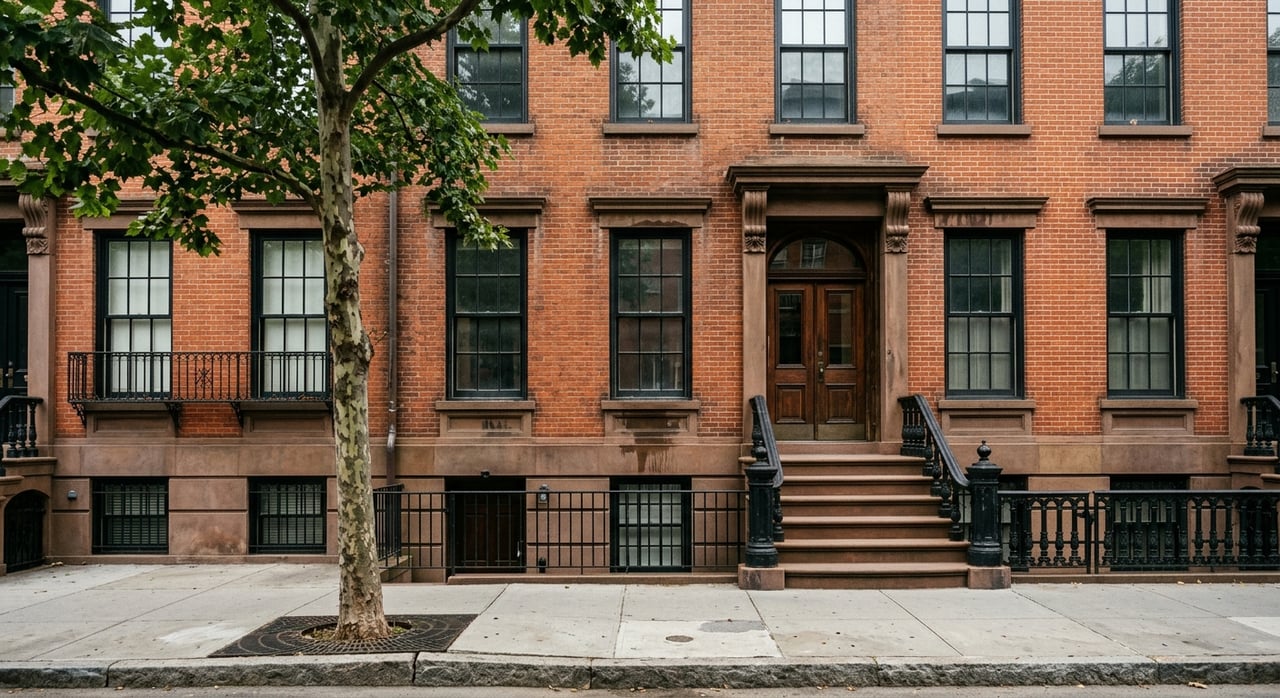
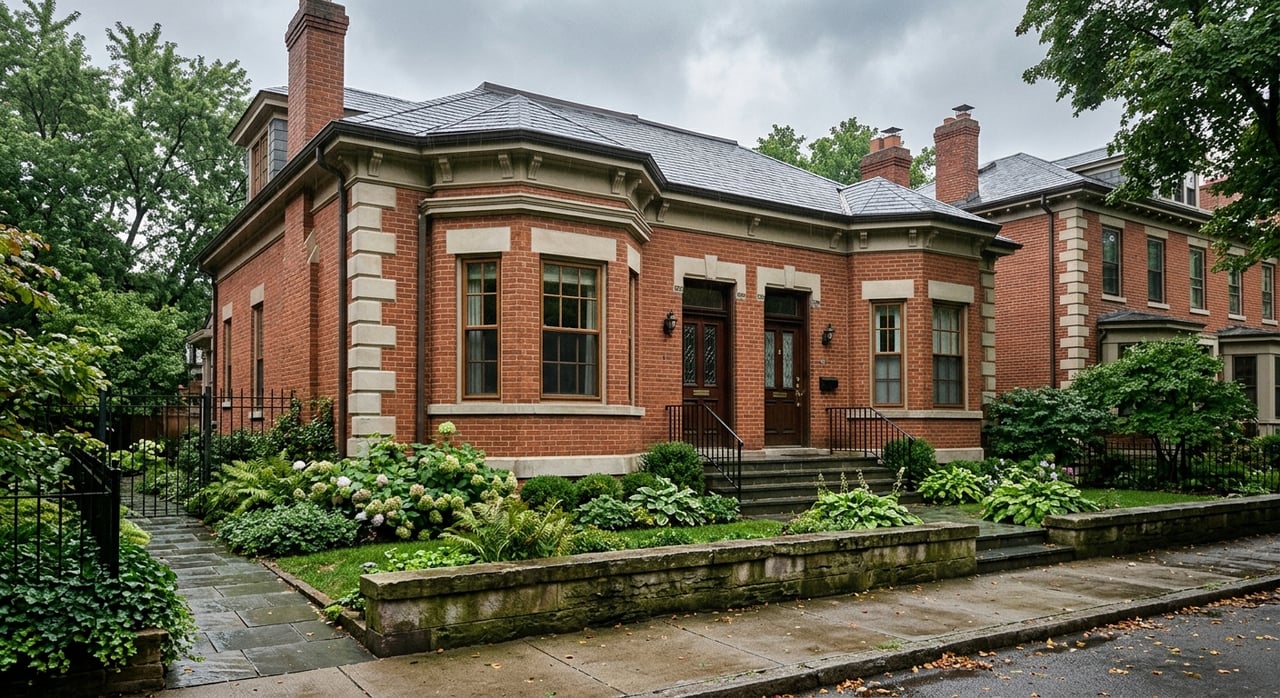
Moving from Manhattan to brownstone Brooklyn often means trading high-rise living for lower-rise, block-by-block neighborhoods. NYC Planning describes Park Slope as a predominantly residential brownstone neighborhood with late-19th- and early-20th-century rowhouses. Brooklyn Heights has a landmarked historic district with a strong townhouse and co-op presence, while Carroll Gardens is known for predominantly three- and four-story row houses with front yards.
That change affects more than curb appeal. In many cases, you may gain character, a different sense of space, and sometimes outdoor space, but you may also give up elevators, doormen, and newer building amenities. StreetEasy notes that Carroll Gardens, in particular, has older housing stock and relatively few condos, new apartments, or elevator buildings.
If you are coming from Manhattan, it helps to think of this move as a lifestyle trade rather than a simple upgrade or downgrade. Brownstone Brooklyn often offers a stronger neighborhood identity and a more residential daily pace. At the same time, older homes can mean more stairs, more variation in layouts, and fewer plug-and-play conveniences.
That tradeoff looks a little different in each neighborhood. Brooklyn Heights is known for quiet streets and historic architecture. Park Slope is often associated with calm, shaded blocks near Prospect Park. Carroll Gardens stands out for its front gardens, local businesses, and small-scale feel.
These neighborhoods are often grouped together, but they do not live the same way. Your experience can change quickly depending on the exact block, building type, and distance to transit. That is one reason local guidance matters so much when you start narrowing your search.
Park Slope offers classic brownstone streets and a residential setting near Prospect Park. The housing stock includes many rowhouses and co-ops, and the neighborhood has long been one of Brooklyn’s best-known brownstone markets. If you want a strong neighborhood feel with access to park space, Park Slope is often high on the list.
From a pricing standpoint, StreetEasy currently shows a median sale price of $1.7 million and a median base rent of $4,100 in Park Slope. Inventory can be competitive because the neighborhood is highly desirable and the housing stock is limited.
Brooklyn Heights has a historic, landmarked feel with townhouses and co-ops shaping much of the market. Many Manhattan movers are drawn to its quiet streets and classic architecture. It can feel calm and residential while still offering very strong subway access.
StreetEasy currently shows a median sale price of $1.3 million and a median base rent of $4,500 in Brooklyn Heights. For buyers and renters who want a brownstone setting without feeling too far from Manhattan, this neighborhood often stands out.
Carroll Gardens has a very distinct identity, with front gardens, older row houses, and a neighborhood scale that feels intimate. It is one of the clearest examples of the brownstone Brooklyn lifestyle, but it also comes with practical limits. StreetEasy notes that the housing stock is older and somewhat limited, with few new apartments, condos, elevators, or amenities.
That scarcity helps explain the pricing. StreetEasy currently shows a median sale price of $2.3 million and a median base rent of $4,500 in Carroll Gardens. In other words, a more residential feel does not always mean a lower price.
In broad terms, yes, but only to a point. StreetEasy’s March 2026 market report showed a median asking rent of $4,750 in Manhattan compared with $3,750 in Brooklyn. The same report showed a median asking sale price of $1.395 million in Manhattan versus $1.027 million in Brooklyn.
That gap can create more breathing room, especially for renters. StreetEasy also reported that Brooklyn rental inventory rose year over year and that Brooklyn had a higher share of rental concessions than Manhattan. Still, Brooklyn remains a premium market, and neighborhood-level pricing in brownstone areas can run well above borough-wide medians.
A separate Realtor.com Q1 2026 report found that the gross monthly income needed to keep housing costs within the 30% rule was about $16,260 for Manhattan renters and about $13,283 for Brooklyn renters. So while the move may lower your monthly number, it does not make brownstone Brooklyn inexpensive.
One of the biggest surprises for Manhattan movers is how much the specific block changes the experience. In Manhattan, you may be used to a tight grid with multiple transit options close by. In brownstone Brooklyn, a few avenue blocks can make a real difference in your daily routine.
That difference can affect your walk to the subway, the train lines you can use, and how long it takes to reach Midtown or other work hubs. In a neighborhood that looks compact on a map, a half-mile can still change the feel of your commute and your pace of life.
Transit access is one area where these neighborhoods differ in important ways. If commute time is a major factor for you, it is worth evaluating addresses, not just neighborhood names.
Brooklyn Heights is especially transit-rich. The MTA lists Clark St with 2 and 3 service, and Borough Hall with 2 and 3 service plus 4 and 5 weekday service. StreetEasy notes that the neighborhood has exceptional subway access even though it feels more removed from Manhattan’s intensity.
Park Slope has several useful subway options, but commute times can vary. The MTA lists F and G service at 4 Av-9 St, G service at Smith-9 Sts and 7 Av, and F service at 15 St-Prospect Park. StreetEasy also notes that commutes to Midtown can be as long as 45 minutes depending on where in Park Slope you live.
Carroll Gardens is also transit-friendly, though the commute feel can vary by block. The MTA lists F service at Carroll St and Smith-9 Sts, plus R service at Union St and 4 Av-9 St. Because the neighborhood is small and the housing stock is limited, a modest change in location can have an outsized effect on your day-to-day routine.
If schools are part of your move, it is important to research them early. In New York City, public-school planning is address-specific. The NYC Department of Education says families can use MySchools, school search tools, or 311 to identify their zoned school by address.
It is helpful to know that the district map places Brooklyn Heights in District 13, but district context alone is not enough for a final decision. The exact address matters. The research report also shows how quickly this can change nearby, with P.S. 282 Park Slope in District 13 and P.S. 058 The Carroll and M.S. 442 Carroll Gardens School for Innovation in District 15.
For many households, that means school research should happen before you sign a lease or contract, not after. It is one of the clearest examples of why hyperlocal guidance matters in Brooklyn.
If you are shopping for a townhouse or rowhouse, there is another layer to understand. The NYC Landmarks Preservation Commission says landmark designation means the agency must approve most exterior alterations, reconstructions, demolitions, or new construction affecting a designated building.
That does not mean a landmarked home is a bad fit. It simply means you should understand the rules before you fall in love with a facade change, window replacement plan, or larger renovation idea. The Commission’s rowhouse manual is designed specifically to help owners of rowhouses in historic districts.
A move from Manhattan to brownstone Brooklyn tends to work best when you want a stronger neighborhood identity, historic streetscapes, and a more residential daily rhythm. It may be less appealing if your top priorities are elevator buildings, abundant amenities, and the shortest possible walk to multiple train lines.
The key is to be honest about your priorities. If you value character, stoop life, and neighborhood texture, Park Slope, Brooklyn Heights, and Carroll Gardens may offer exactly what you are looking for. If convenience and building services outweigh everything else, the tradeoffs may feel more significant.
Before you make the leap, focus on three basics:
You should also expect the search to be nuanced. In brownstone Brooklyn, the right block can matter almost as much as the right neighborhood. That is where local knowledge can save you time, stress, and second-guessing.
If you are planning a move from Manhattan and want a clear view of what fits your budget, commute, and lifestyle, Nat Guerriera can help you navigate the tradeoffs with practical, neighborhood-level guidance.
Pen Realty greets clients with a devotion to seamless home sales and a professional promise to buy or list with expert confidence.
Get in Touch With Our Team to Learn More