If brick-and-beam lofts and skyline views pull you to the waterfront, DUMBO delivers. The hard part is choosing between a converted loft brimming with character and a newer condo with modern systems and services. In this guide, you will compare the tradeoffs, see building examples, learn financing and due‑diligence steps, and leave with a simple checklist to buy with confidence. Let’s dive in.
DUMBO at a glance
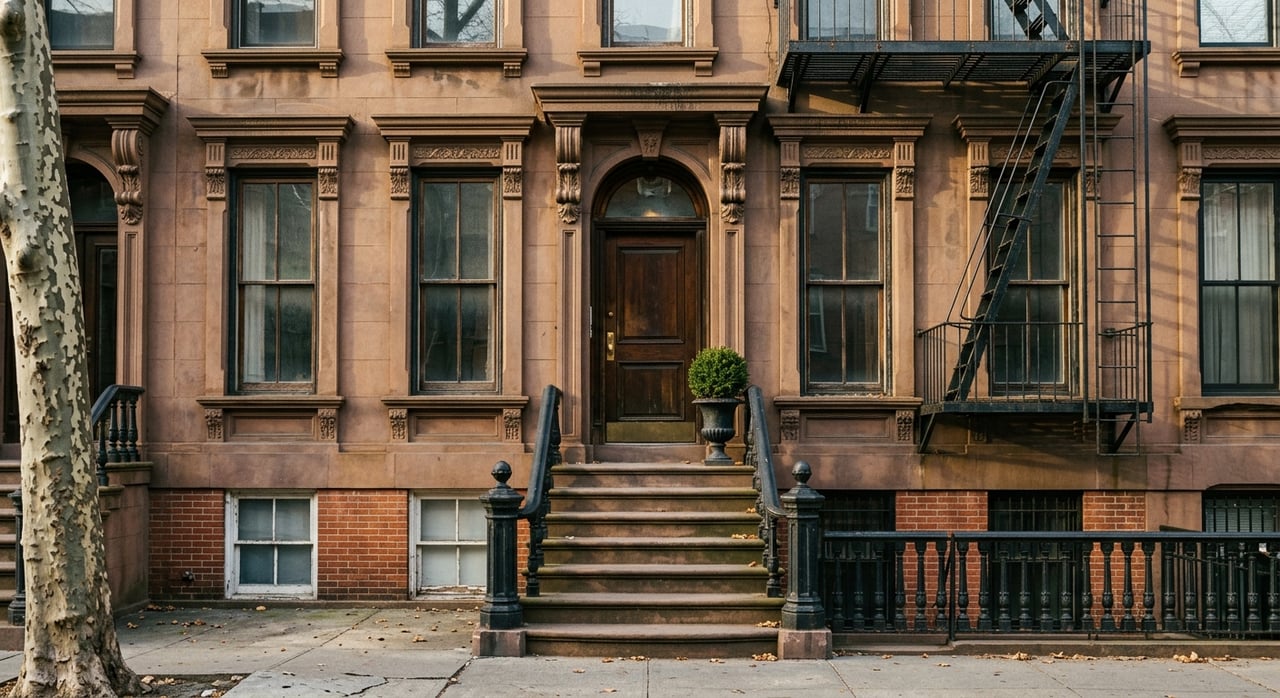
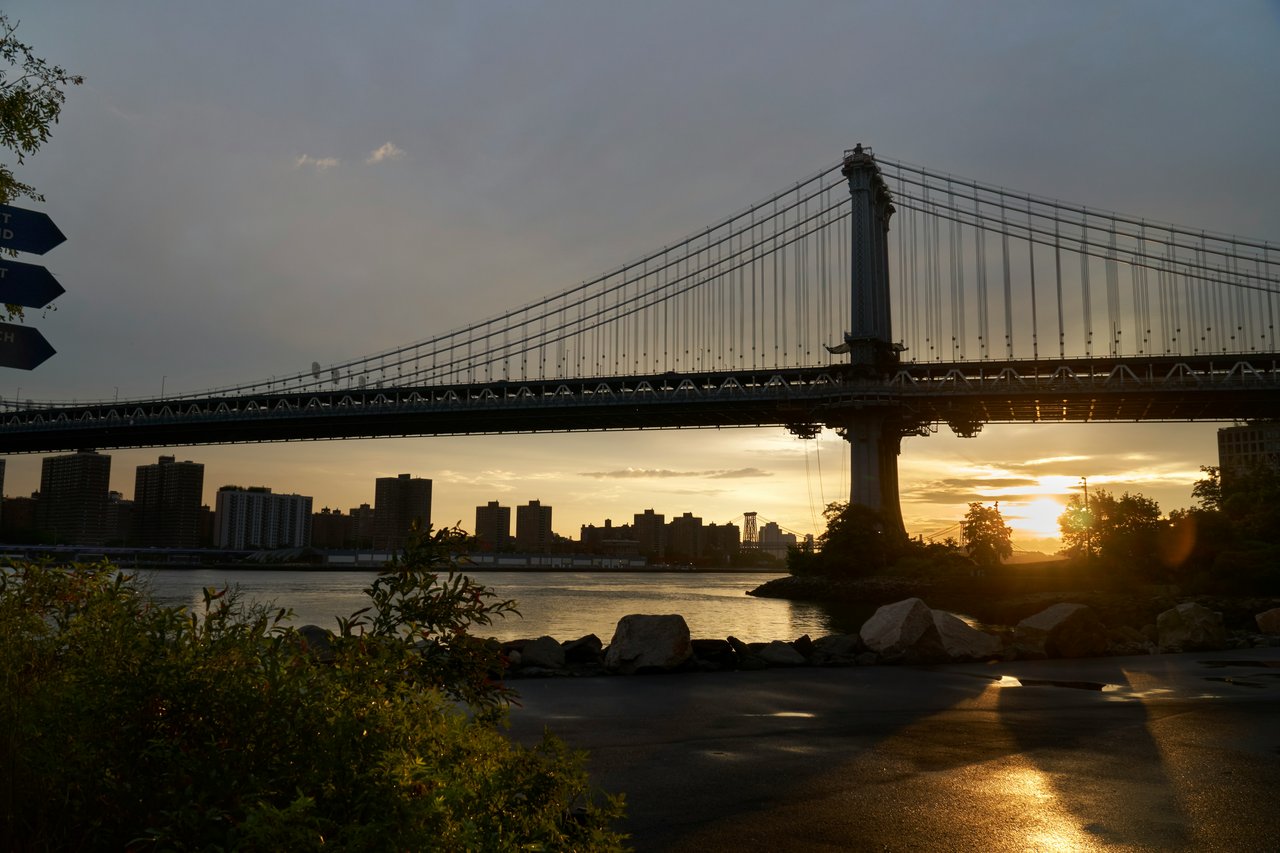
DUMBO is a compact, high-value Brooklyn neighborhood with early 20th-century industrial buildings adapted into condos alongside a handful of newer waterfront projects. The core is recognized for its historic character and is listed on the National Register; it also includes a local New York City historic district where the Landmarks Preservation Commission reviews exterior work visible from public streets. Local designation is regulatory while National Register status is honorific. Get a quick overview of the area’s history and identity in the DUMBO neighborhood profile.
If you plan exterior changes, understand LPC basics early. Local designation means windows, visible mechanicals, rooftop additions, and exterior signage may require LPC review, which can affect timeline and cost. See the Commission’s guidance on how local landmarks are governed on this page.
Two buying paths in DUMBO
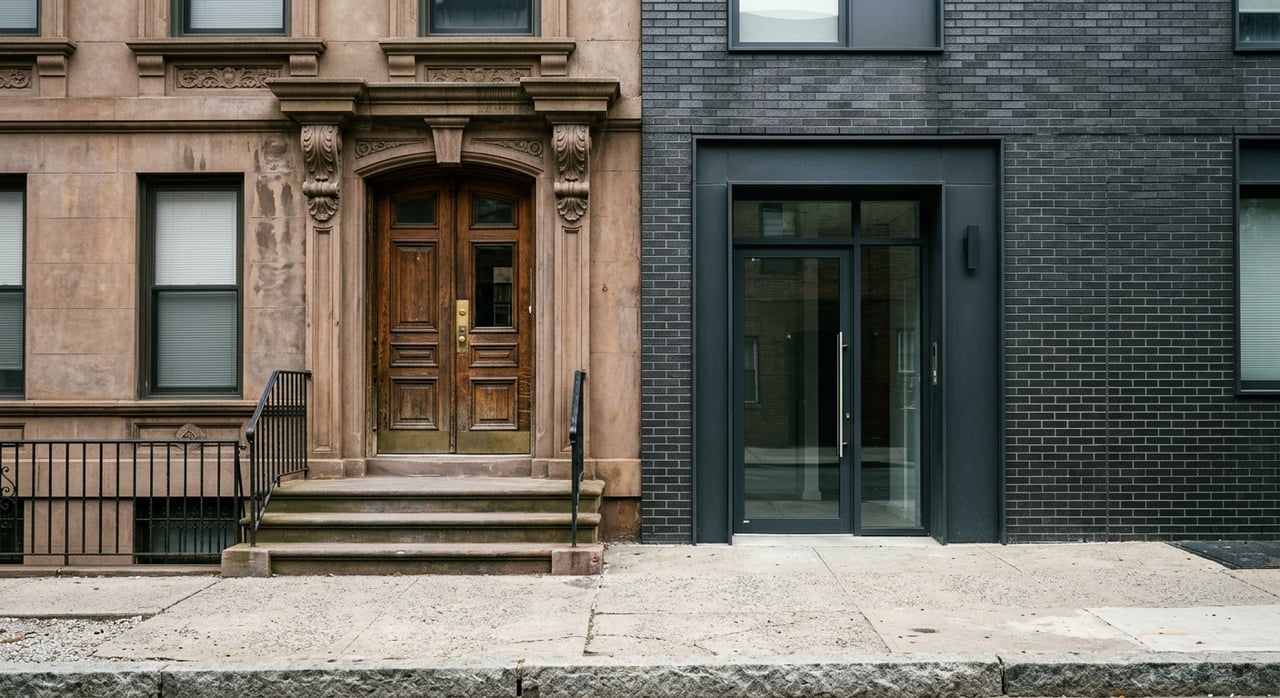
Most buyers choose between two main options: a converted loft condo in a historic building or a newer full-service condo designed as residential from day one. Each choice comes with clear strengths and tradeoffs.
Converted loft condos: what to expect
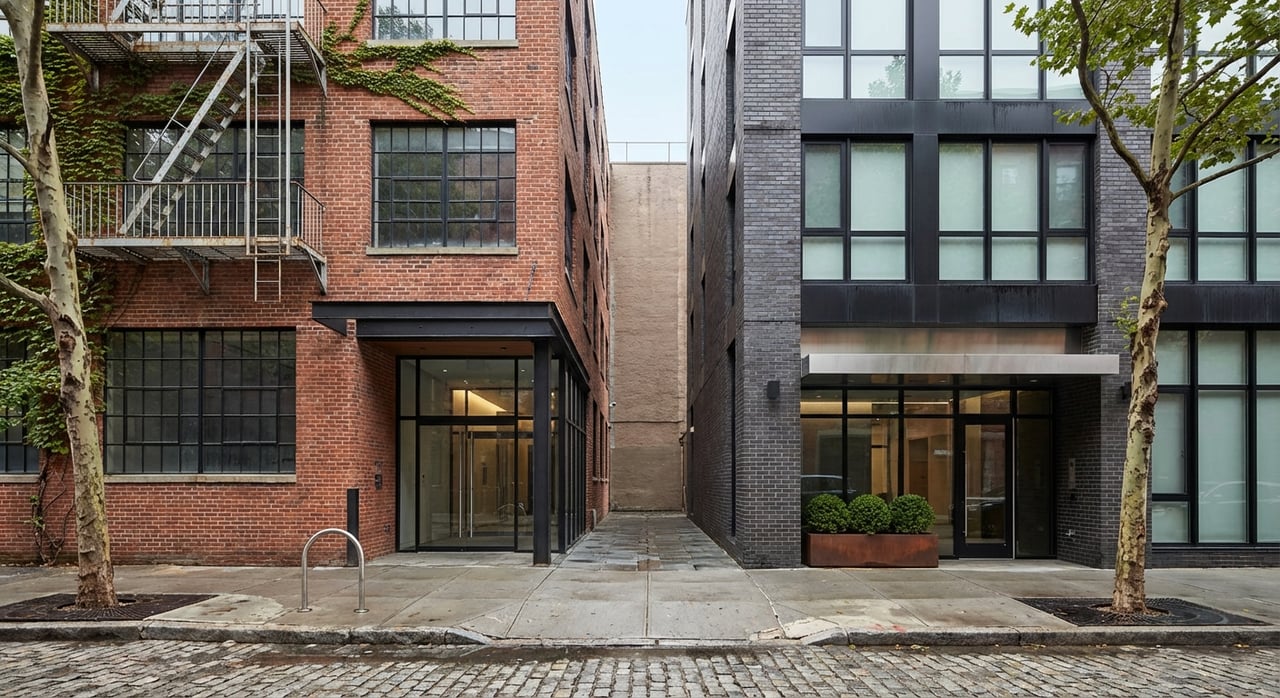
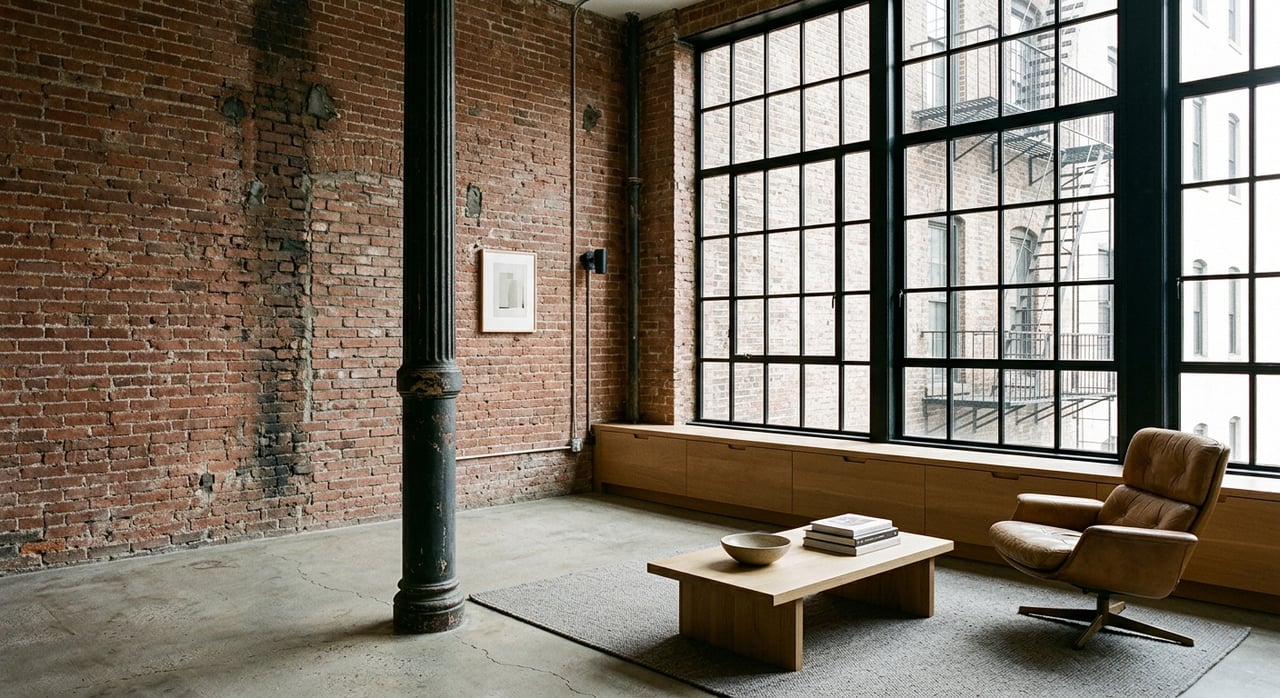
Converted lofts are former warehouses or factories that keep industrial character: high ceilings, oversized windows, open floor plates, and exposed structure. Many DUMBO conversions happened in the 1990s and 2000s and today run as condo buildings with varying levels of service and amenities. Examples include the Clocktower at 1 Main Street and the Sweeney Building at 30 Main Street; Sweeney listings show the classic loft feel plus doorman, roof deck and gym. You can browse building details on the Sweeney Building page.
Loft due diligence to prioritize
- Certificate of Occupancy. Confirm the building and unit have a residential CO and that any major post-conversion work received DOB sign-off.
- Loft Law history. Some older conversions moved through New York’s Loft Law process. Check the NYC Loft Board for building history, legalization status, and any legacy rent-regulated issues that could affect title and financing.
- Structure and systems. Original envelopes, windows, boilers, and roofs may be older. Ask for recent capital project history and reserve studies. Special assessments are not unusual when big-ticket items come due.
- Landmark impacts. In the local historic district, visible exterior changes often need LPC approval. Scope and timing for windows or rooftop work can change under review. Learn more about LPC oversight here.
Loft costs and value
- Carrying costs vary widely. Some conversions show relatively moderate common charges for the space you get, but smaller reserves can mean higher risk of periodic assessments to fund capital work.
- Scarcity supports value. True lofts in prime positions with views tend to be finite in supply and have historically commanded premiums.
- Use real comps. Compare similar size, view, and floor within the same micro-area of DUMBO. Current Sweeney Building listings often show monthly common charges in the low-to-mid $1,000s, depending on unit size and assessments, which you can see on this building profile.
Newer full-service condos: what to expect
Post-2000 buildings in DUMBO are fewer in number but offer modern mechanicals, better sound attenuation, and comprehensive amenities like 24/7 staff, gyms, roof decks, package rooms, and parking. A good example is 1 John Street, a LEED Gold boutique waterfront condo completed around 2016. Another is J Condominium at 100 Jay Street, a full-service tower with garage and multiple roof decks. These buildings appeal if you value turnkey living and predictable service schedules.
New-build due diligence to prioritize
- Offering plan and sponsor period. Review the offering plan for sponsor control timelines, developer-held units, and rental-use rules. Ask about any tax abatements and their remaining term.
- Project eligibility and reserves. Newer projects can still be flagged if reserves are thin, investor concentration is high, or there is active litigation. See how lenders evaluate project standards in Fannie Mae’s condo project guidance.
- Governance and commercial components. Larger commercial spaces, pending façade work, or unusual use restrictions can change lender appetite and owner control dynamics.
New-build costs and value
- Expect higher common charges in exchange for more services and predictable maintenance handled by staff and service contracts.
- Budgets are often more standardized. That can reduce surprise capital calls relative to some older conversions, though every building is unique.
- Pricing bands reflect amenity, views, and boutique status. Compare like-for-like against nearby conversions to gauge what the amenity premium is worth to you.
Market snapshot and pricing tips
DUMBO’s median prices and price per square foot change quickly and vary by data vendor and time window. For example, a June 2025 snapshot from Rocket Homes showed a neighborhood median around 1.67 million dollars. Other services using different boundaries and dates reported different numbers later in 2025 and early 2026. The takeaway is simple: timestamp every stat and compare apples to apples on size, view, line, and renovation level.
When you evaluate a specific property, build a comp set that mirrors your unit’s floor, exposure, and interior condition. Trophy-view lines and oversized lofts can skew averages, so lean on per-square-foot comparables within the same stack or immediate block.
Financing realities in DUMBO condos
Lender rules for condo project eligibility can shape your mortgage options. Many national lenders follow Fannie Mae and Freddie Mac standards that look at reserves, litigation, investor concentration, and commercial exposure. Projects with friction points can be labeled non-warrantable, which often means bigger down payments or portfolio lending.
- Ask your lender to run a project check in Fannie Mae’s Condo Project Manager. You can learn about that tool here.
- Review general project standards and what lenders look for using Fannie Mae’s selling guide reference.
- If you plan to use FHA or VA, verify whether the project is approved early in your process. Government-backed approvals are building-specific and can take time if not already in place.
Taxes, fees, and assessments to plan for
- Common charges. Newer full-service buildings typically carry higher monthly fees due to staff and amenities. Older conversions may show lower monthly charges but can rely on special assessments for big capital work.
- Taxes and abatements. Some modern projects launched with short-term abatements that phase out. Always confirm current taxes and any scheduled changes in the offering plan or building docs. For an example of how a large full-service condo is structured and governed, review materials at 100 Jay Street’s building site.
- Reserves and insurance. Ask for the last two to three years of budgets, the most recent reserve study, and proof of insurance. These influence both lender approval and your exposure to capital projects.
Resale and liquidity patterns
- Loft scarcity. True lofts with bridge, river, or skyline views are scarce and have historically attracted strong demand, especially in well-known buildings like the Sweeney and the Clocktower. That scarcity can support value over time.
- Size and buyer pool. Very large lofts can take longer to sell because the buyer pool is smaller at higher price points. Smaller, well-located units in amenity-rich buildings may turn over faster.
- Compare within type. Loft-to-loft and new-build-to-new-build comparisons are more reliable than mixing types. View premiums and floor height matter in both categories.
Quick buyer checklist for DUMBO
Use this to organize your due diligence before you submit an offer:
- Legal status and CO. Confirm the condo declaration/offering plan and that the unit has a residential Certificate of Occupancy.
- Loft Board or legalization history. If the building began as a loft conversion, check the NYC Loft Board for legalization and timeline details.
- HOA financial health. Request the last 2 to 3 years of budgets and the latest reserve study. Read Board minutes for projects, litigation, and any planned assessments.
- Lender project checks. Ask your lender to review eligibility via Fannie Mae’s Condo Project Manager and confirm whether FHA or VA approval is required for your financing.
- Landmark considerations. If you plan visible exterior work, confirm whether the property is inside the local historic district and whether LPC approvals are likely needed. Start from the LPC information here.
- Systems and envelope. Ask for documentation on recent or planned roof, façade, window, elevator, and boiler work. Tie this to reserves and any active assessments.
- Amenities vs. monthly costs. Compare amenity packages and services to monthly common charges across nearby buildings like 1 John Street and 100 Jay Street.
Your next step
Whether you want the drama of a true loft or the ease of a full-service condo, the right move is to line up project eligibility, HOA health, and a comp set that matches your exact unit. A focused plan saves time, reduces surprises, and helps you negotiate with clarity.
If you are weighing buildings or want help pressure-testing the numbers, connect with Nat Guerriera for a local, hands-on approach to your DUMBO search.
FAQs
What makes DUMBO a historic district and why does it matter?
- Parts of DUMBO are locally landmarked, which means the Landmarks Preservation Commission reviews visible exterior work; this can affect renovation scope, timelines, and costs.
What is a converted loft condo and what should I check first?
- It is a former industrial building adapted to residential use; verify the residential CO, review Loft Law history if applicable, and assess building reserves and recent capital work.
How do lender “project eligibility” rules affect my mortgage?
- If a condo lacks reserves, has litigation, high investor share, or heavy commercial space, it may be non-warrantable, which often requires larger down payments or portfolio loans.
Can I use FHA or VA financing in DUMBO condos?
- Possibly, but only if the project is approved; verify approval early or discuss the approval process and timelines with your lender before you make an offer.
Do newer condos avoid special assessments entirely?
- Not necessarily; newer buildings often have steadier budgets, but assessments can still occur. Always review HOA minutes, reserve studies, and planned capital projects.
Which resells better in DUMBO: a loft or a newer condo?
- It depends on size, views, condition, and building reputation; scarce view lofts can command premiums, while smaller units in amenity-rich buildings may sell faster.