Park Slope Living Near Prospect Park: Daily Life & Homes
February 5, 2026
February 5, 2026
What if Prospect Park was your backyard? If you’re considering a home on the Park Slope blocks that border the park, you’re picturing morning runs under leafy trees, weekends at the farmer’s market, and quick access to concerts and open lawns. You also want a clear view of the tradeoffs, costs, and daily rhythms that come with living this close to Brooklyn’s signature green space. This guide walks you through everyday life, housing options, the “park premium,” and the key checks to make before you commit. Let’s dive in.
You’ll see joggers and dog walkers on the loop at dawn, parents doing school drop-offs, and steady foot traffic to nearby subway and bus stops. Park Slope is broadly well served by transit, with several stations and lines within walking distance depending on your block. Many commutes to Manhattan fall in the 20 to 40 minute range, though timing varies by exact location and service.
The park becomes your default plan for a quick walk, picnic on the Long Meadow, or an easy lap after work. Families use the playgrounds and open lawns for daily play. If you work from home, the green views and easy mid-day breaks can reset your energy.
Weekends often start at the Grand Army Plaza Greenmarket, then flow to a concert at the Bandshell in season or sports on the Nethermead. In summer, you’ll find more cultural programming and community events. In winter, the LeFrak Center’s ice rink keeps the park lively.
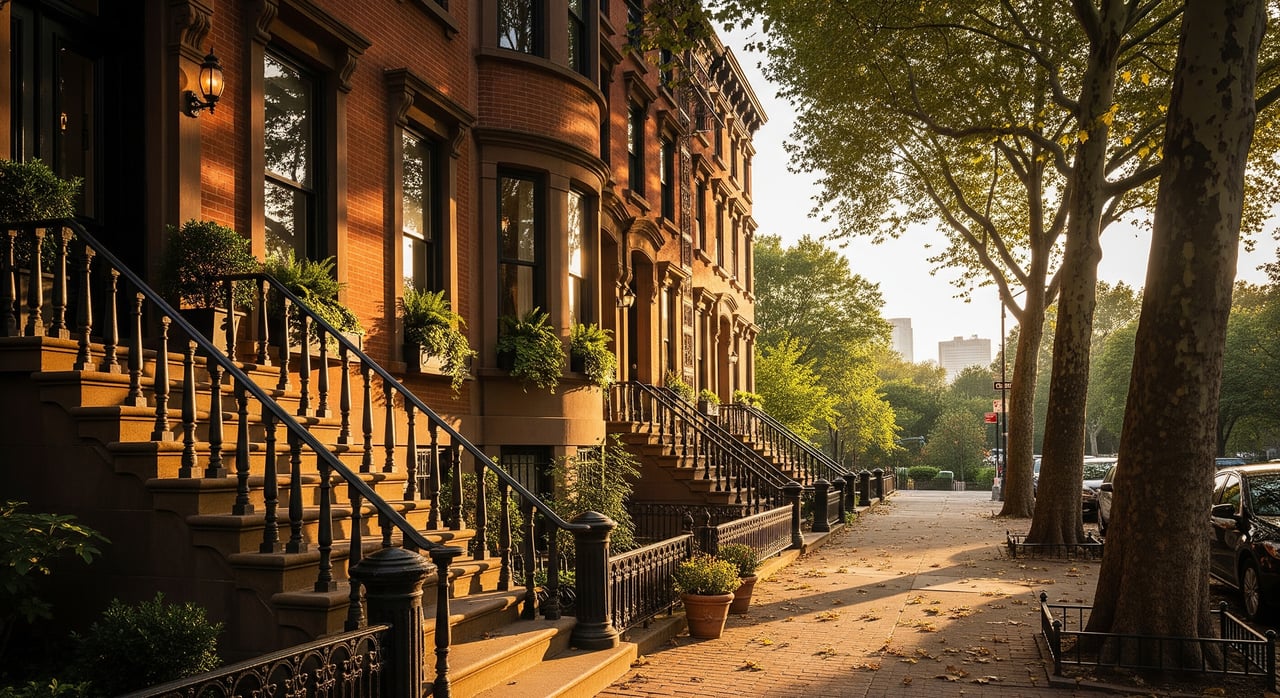
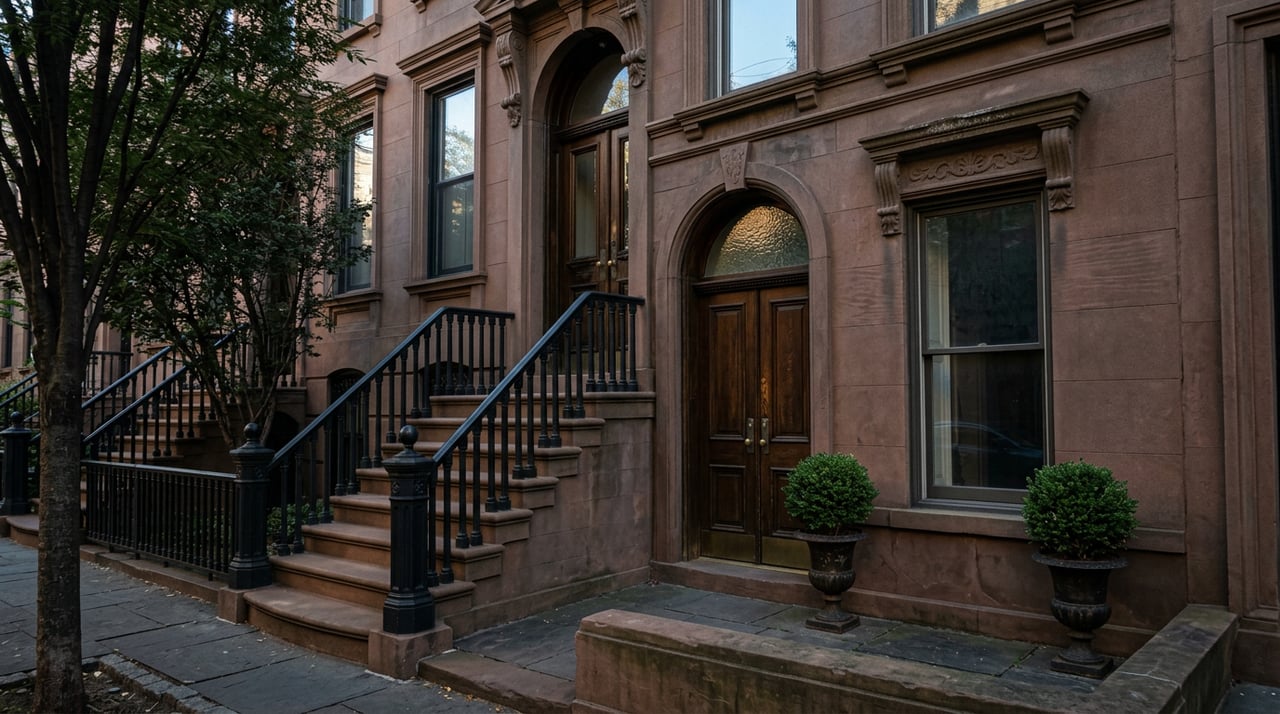
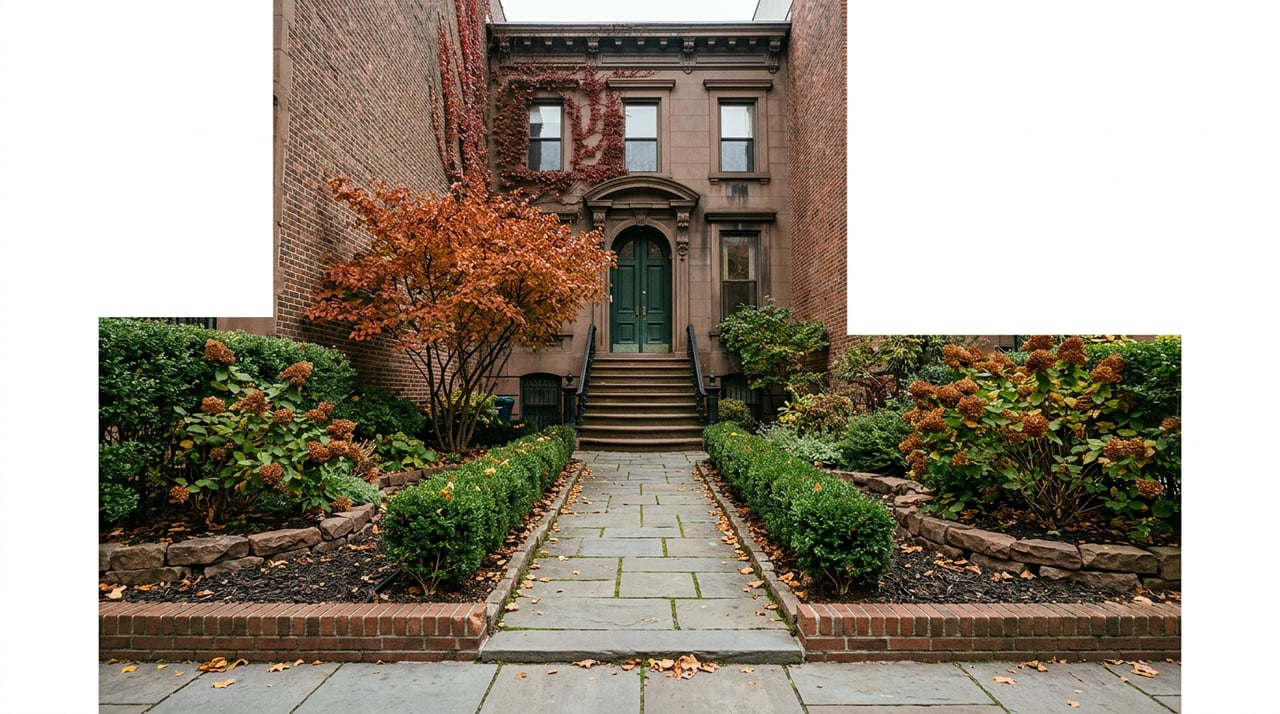
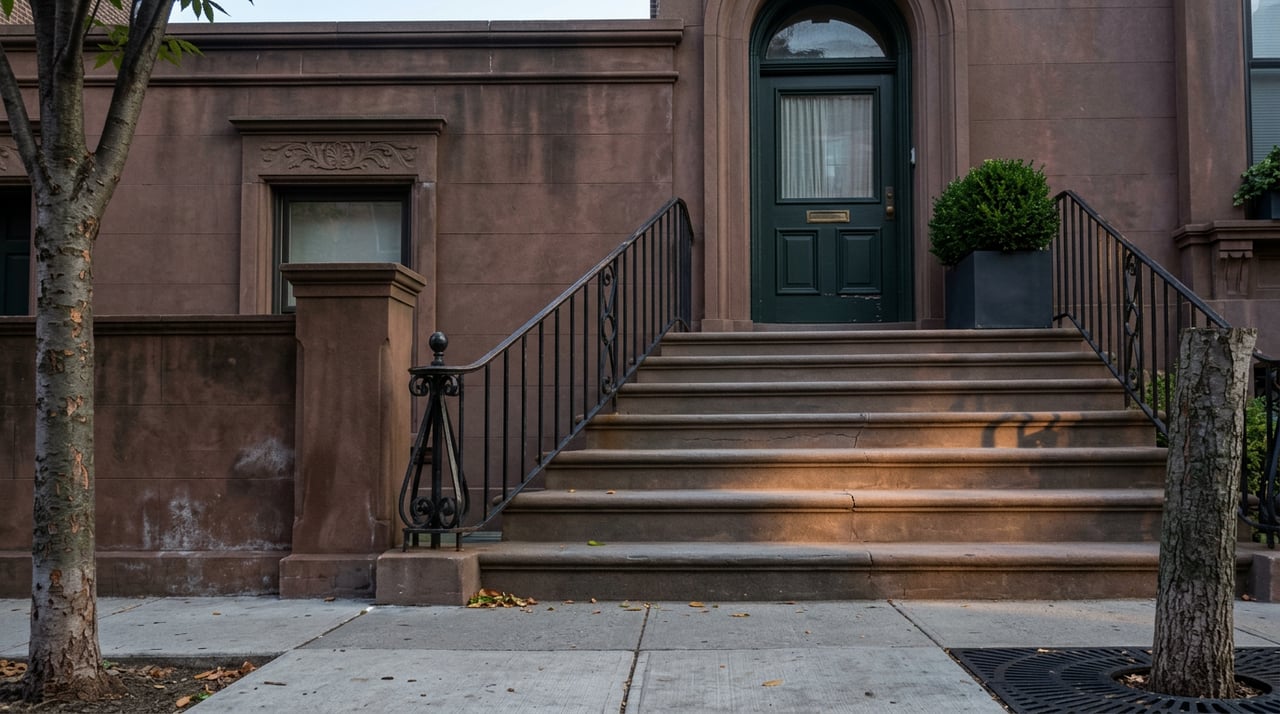
Park-facing blocks feature late-19th and early-20th-century brownstones and rowhouses, plus smaller walk-ups and elevator buildings. You’ll also see co-ops and condos, with some newer infill closer to commercial corridors. Unit sizes range from compact one-bedrooms to larger multi-bedroom apartments and townhomes.
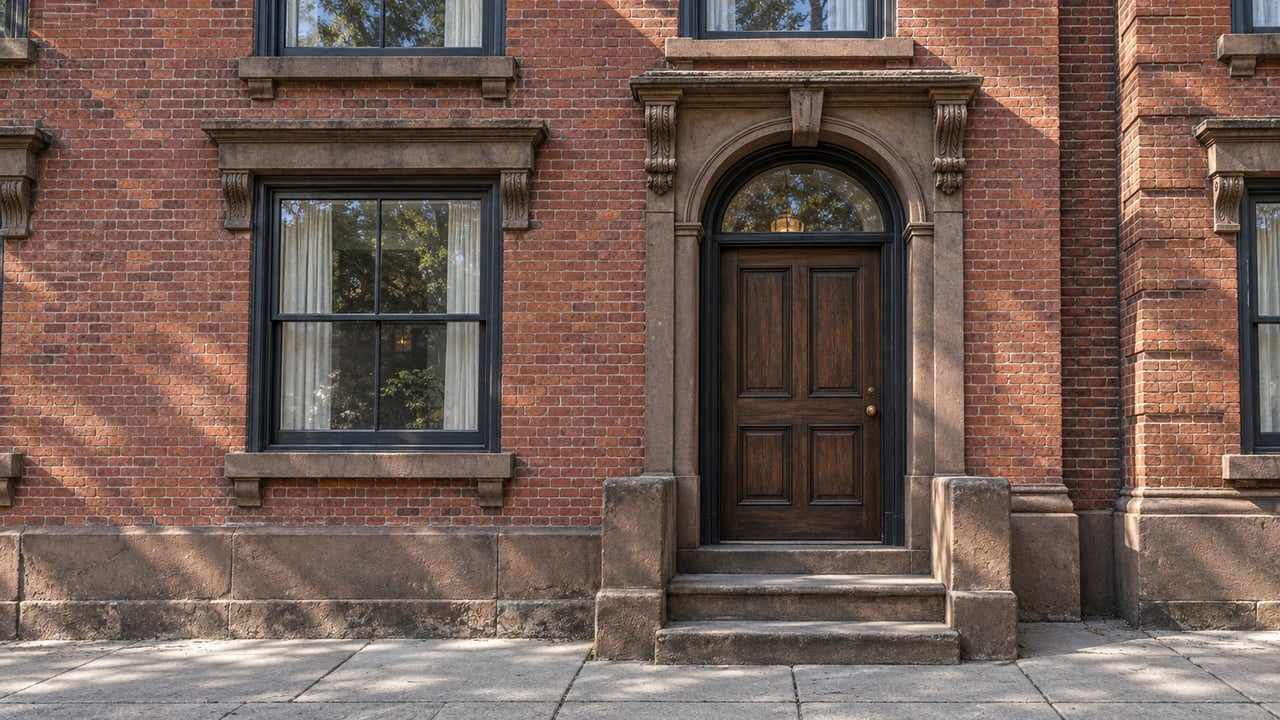
Large parts of Park Slope sit within historic districts under the NYC Landmarks Preservation Commission. That helps preserve the area’s architectural character. If you plan exterior work, expect design guidelines and approval steps that can add time and cost.
You’ll encounter classic co-ops, condos, and rentals. Co-op and condo rules vary by building, and carrying charges can differ widely. When comparing homes, weigh purchase price, taxes, and ongoing monthly charges to get a full view of affordability.
Proximity to high-quality green space often increases property values. Studies in multiple cities show premiums that range from low single digits up to higher percentages in some cases, depending on views, park quality, and neighborhood demand. In Park Slope, local market reporting has long noted that blocks right along Prospect Park tend to command higher prices and rents than similar homes farther in. The exact premium shifts with building type, unit size, market cycle, and whether a home has direct park views or private outdoor space.
Most park-adjacent blocks offer an easy walk to multiple subway lines and bus routes. Exact convenience depends on your starting point and destination. If you own a car, test parking in the morning and evening to see how curb space turns over on your target block. Do not assume a residential street permit system will guarantee parking, since local programs are limited.
Park Slope draws many families because of the mix of public, charter, and private schools. Public school enrollment follows NYC Department of Education processes, and nearby high-demand elementary schools can see competitive enrollment patterns. You’ll also find neighborhood playgrounds, early-childhood programs, and the park’s many play areas within walking distance.
Prospect Park is a major draw for dog owners. Expect lively morning and evening dog-walking routines, with fenced runs and designated areas managed by NYC Parks and local groups. If you have a pet, confirm nearby runs, typical peak times, and your building’s pet policy.
Spring and summer bring more events, longer park hours, and higher foot traffic. Fall offers colorful foliage and mild weekends ideal for picnics and play. Winter quiets down, except for ice skating and holiday season activities. On concert or festival days, adjacent blocks can experience higher noise and crowds, which some residents consider a fair trade for the location.
If you’re buying, compare recent sold comps along the park edge with similar homes a few blocks away to estimate the premium in today’s market. Factor in views, outdoor space, and building condition. If you’re renting, look at a few layouts in the same area to see how size, light, and proximity to the park affect price. In both cases, put monthly charges and likely maintenance needs into your budget.
Start with your must-haves, such as a direct park view, in-building laundry, or a second bedroom. Set a target budget range that accounts for taxes and monthly charges in addition to price. Then test tradeoffs: would you accept a mid-block location for more interior space, or pay more for a park-facing window and lower renovation needs? Small shifts can unlock better fits.
If you plan to renovate a landmarked exterior, expect to work within established guidelines. Interior changes may be simpler but still require typical city permits. Your planning timeline should include design, approvals, and contractor lead times, which helps you avoid surprises.
If living steps from Prospect Park matches your lifestyle, you deserve a smart plan that balances budget, building quality, and the right block. A local, hands-on broker can help you compare options, read building financials, and understand real-world tradeoffs before you offer. To start a focused search or talk through timing, connect with Nat Guerriera for a neighborhood-first plan that fits your goals.
Pen Realty greets clients with a devotion to seamless home sales and a professional promise to buy or list with expert confidence.
Get in Touch With Our Team to Learn More