Thinking about buying a two‑family in Bay Ridge and wondering how much space you can legally create or use? You are not alone. Between FAR, lot coverage, and yard rules, it is easy to overestimate what a property can become. This guide breaks down the essentials in plain English so you can underwrite with confidence, spot red flags early, and plan feasible upgrades. Let’s dive in.
Why FAR matters in Bay Ridge
Floor Area Ratio, or FAR, determines how much indoor floor space you can have on a lot. It is the backbone of what is possible for two‑family homes in Bay Ridge. Even if a building looks like it could fit another floor or a big rear extension, FAR and other bulk rules may say otherwise.
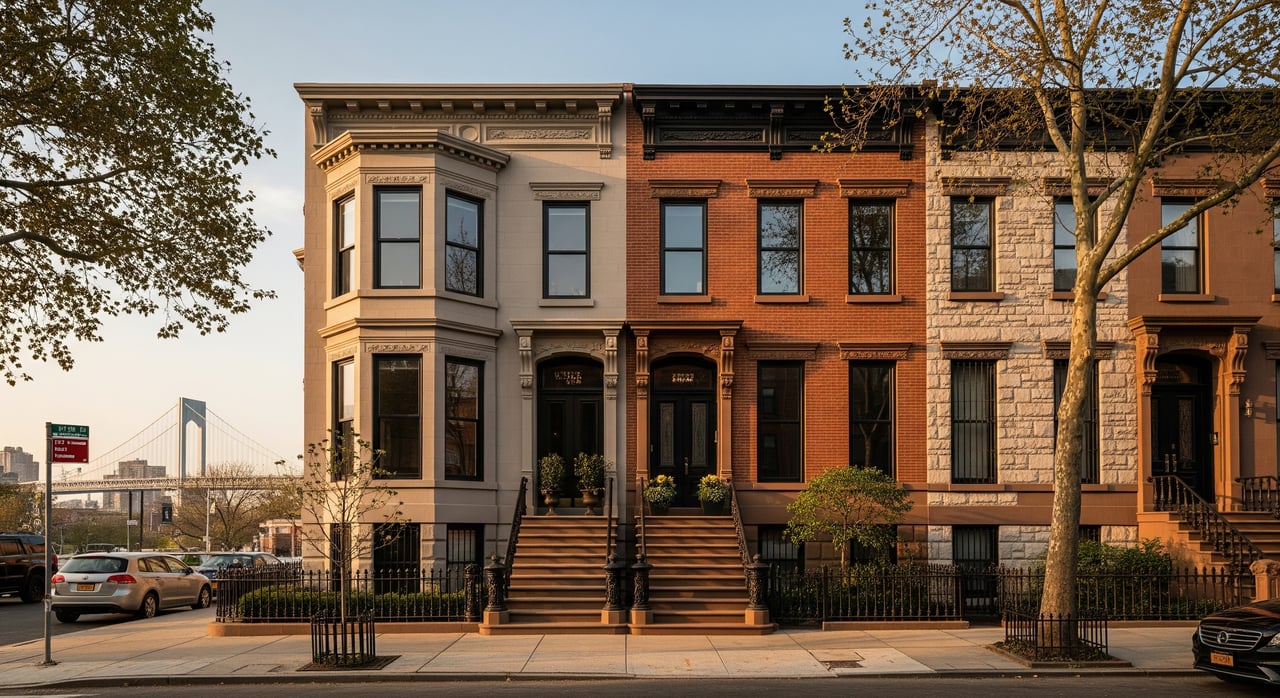
Bay Ridge blocks include a mix of attached rowhouses and semi‑detached or detached homes. Many lots fall in R4 and R5 districts, often with subdistricts that fine‑tune limits. Your first move is to understand the zoning for the specific lot, then compare what is built today against what is allowed. That tells you whether an enlargement, conversion, or new layout is realistic.
The quick FAR math you can reuse
Here is a simple method you can apply on any property once you know the allowed FAR for the lot:
- Measure the lot area. For example, a 20' x 100' lot is 2,000 square feet.
- Each 0.1 FAR equals 10 percent of the lot area. On a 2,000 square foot lot, that is 200 square feet.
- Multiply the lot area by the district FAR to get the allowed gross floor area (GFA).
Example on a 2,000 square foot lot:
- FAR 0.9 allows 1,800 square feet of GFA (0.9 × 2,000).
- FAR 1.25 allows 2,500 square feet of GFA (1.25 × 2,000).
Keep in mind that some spaces can be fully or partially excluded from FAR under the Zoning Resolution, such as certain cellars or mechanical bulkheads. Always confirm the specifics with an architect or the Department of Buildings.
Lot coverage, yards, and height: the envelope reality
FAR is not the only limiter. Lot coverage caps how much of the lot your building can cover at ground level. Rear yard rules protect open space at the back of the lot. Height and story limits control how tall you can build. These work together to define the building envelope.
On many Bay Ridge rowhouse blocks, side yards are not required for attached buildings, but rear yards are critical. In some detached or semi‑detached contexts, side yards are required, which can reduce how much you can widen a building. The result is that you might hit a yard or height limit before you use all the FAR on paper.
R4 and R5 in Bay Ridge: what you will see
R4 and R5 districts are common across Bay Ridge, often with subdistricts like R5B or R4‑1 that tweak FAR, height, and yard rules. This is why two properties on the same street can have different expansion potential. Many two‑family targets are either attached rowhouses with two or three stories or semi‑detached houses where the owner lives in one unit and rents the other.
For planning, remember this two‑step reality:
- Zoning defines theoretical limits such as FAR, lot coverage, yards, and height.
- Building code, Certificate of Occupancy, and site conditions determine what you can actually do.
Four common projects and what to check first
Rear addition on an attached rowhouse
Many Bay Ridge owners look to add a single‑ or two‑story rear extension. This can expand a kitchen, add a bedroom, or make a two‑family layout more comfortable.
- Zoning checks: Do you have unused FAR to cover the addition’s floor area, and will rear yard rules allow the depth you want? A two‑story addition uses more GFA than a single‑story footprint.
- Code checks: Plan for proper egress, fire separation if it serves a separate unit, and structural tie‑ins to the existing building.
Common outcome: Modest rear additions are often feasible where there is unused FAR and compliant yards. Block‑by‑block rules still decide the ceiling.
Convert a one‑family into a legal two‑family
If a building is used informally as a two‑family or has an “extra” apartment, you will need to legalize the use.
- Zoning checks: Confirm the district permits two‑family residences and that the existing GFA and yard conditions fit the rules.
- Code checks: Expect fire separations, independent egress, and upgrades to systems. You will likely file an alteration with the Department of Buildings and update the Certificate of Occupancy.
Common outcome: Legalization goes beyond finishes. Egress, ventilation, fire rating, and any open violations must be addressed before you can close the loop with the city.
Add a story or raise the roof
A vertical enlargement can unlock valuable square footage, but it is not just a matter of remaining FAR.
- Zoning checks: Height limits and the maximum number of stories can stop a vertical addition even if FAR is available.
- Code checks: Stair and bulkhead dimensions, structural reinforcement, and sometimes sprinklers can drive costs and timelines.
Common outcome: Vertical work is possible in some R5 contexts but requires detailed planning, solid engineering, and full DOB review. If the property is landmarked, expect a separate design review before permits.
Convert a basement or cellar to living space
Turning lower levels into living space or a rental can pencil well, but compliance is strict.
- Zoning and code checks: Whether the space is a “basement” or a “cellar” affects FAR counting and habitability rules. Minimum ceiling heights, natural light and ventilation, egress windows or doors, and fire separation are required.
- Floodplain note: Near the waterfront, flood zone designations can restrict basement use or make it impractical.
Common outcome: Some basements can be legalized with significant upgrades. Others will not meet code or may count toward FAR and disrupt your plan.
How to use FAR in your underwriting
When you evaluate a two‑family, run a quick build‑out test to see if the value you are paying aligns with what you can legally do.
- Step 1: Confirm the zoning and subdistrict for the exact lot.
- Step 2: Get the current Certificate of Occupancy to verify the legal unit count and use.
- Step 3: Measure or estimate the building’s current gross floor area.
- Step 4: Multiply the lot area by the district FAR, then subtract existing GFA to find remaining capacity.
- Step 5: Sense‑check against yard, height, and coverage rules to see if the space fits inside the envelope.
This five‑minute exercise helps you size additions, compare floor plans, and avoid underwriting based on wishful thinking.
Due diligence checklist before you bid
Use this buyer due diligence checklist to reduce surprises:
- Confirm zoning and subdistrict for the lot and note any special rules.
- Pull the Certificate of Occupancy to confirm legal use and unit count.
- Calculate remaining FAR capacity from lot area and allowed FAR.
- Check Department of Buildings records for open violations or fines.
- Review any recorded easements or deed restrictions.
- Check landmark status and whether the property sits in a flood zone.
- Order a building inspection plus plumbing and electrical assessments.
- Ask an architect or expeditor for a zoning feasibility letter.
- Verify tenant and rent regulation status with city and state housing resources if units are occupied.
Red flags that change your numbers
Be ready to adjust your underwriting when you see:
- Illegal units or no lawful Certificate of Occupancy for a two‑family use.
- Little or no unused FAR and tight yard conditions that block additions.
- Landmark designation, which adds review steps and design constraints.
- Flood zone location, which raises insurance costs and limits lower‑level use.
- Shared or undersized utilities, inadequate fire separation, or poor egress.
- Parking triggers on certain enlargements, depending on local rules.
Permitting timeline at a glance
- Zoning determination and feasibility: Confirm allowed use, FAR, yards, and height. Identify if a variance or special permit is needed.
- Design and DOB filing: Prepare architectural and structural plans and submit permits.
- Landmark approval when applicable: Secure approvals before DOB permitting for exterior work in designated areas.
- Inspections and sign‑offs: Expect plan review, field inspections, and final approvals leading to an updated Certificate of Occupancy or alteration sign‑off.
Timeline varies. Small interior work can wrap in a few months. Larger enlargements or projects with LPC review can take a year or more.
Bay Ridge context that shapes outcomes
Bay Ridge is a mix of rowhouses and semi‑detached or detached homes on narrow lots. Community Board 10 covers the neighborhood. Local inspector interpretations and community feedback can influence schedules and design choices. Near the shoreline, floodplain rules affect what you can do with basements and mechanical systems. These local details often make the difference between a smooth project and a delayed one.
Smart next steps for two‑family buyers
- Look beyond listing photos. Start with zoning, the Certificate of Occupancy, and a sketch of remaining FAR.
- Price for compliance, not just potential. If legalization or a vertical addition is central to your plan, budget for code‑driven costs and time.
- Get a quick feasibility letter. A local architect’s zoning memo is inexpensive and can protect your deal.
- Lean on local expertise. An agent who understands Bay Ridge block patterns, DOB records, and two‑family underwriting can save you time and money.
Ready to run the numbers on a specific property or discuss a plan for a two‑family purchase in Bay Ridge? Reach out to Peter Mancini for a neighborhood‑first strategy and hands‑on guidance from contract to closing.
FAQs
What is FAR and how do I calculate it on a Bay Ridge lot?
- Multiply the lot area by the district FAR to get allowed gross floor area, then compare to existing floor area to see if any capacity remains.
How can I tell if a two‑family is legal in Brooklyn?
- Check the building’s Certificate of Occupancy for the legal unit count and use, and confirm there are no open DOB violations tied to illegal apartments.
Can I add a rear extension to a Bay Ridge rowhouse?
- Often yes if you have unused FAR and can maintain required rear yard and coverage; an architect should verify yard depths, egress, and structural needs.
Are basement apartments allowed in Bay Ridge two‑families?
- Sometimes, but only if the space meets code for ceiling height, light and ventilation, and egress; flood zone locations can further restrict lower‑level use.
Do landmark or flood zones affect two‑family plans in Bay Ridge?
- Yes; landmarked properties require design review before permits and flood zones limit certain work, especially in basements and mechanical placement.