Leave a Message

Thank you for your message. We will be in touch with you shortly.

Explore Our Properties

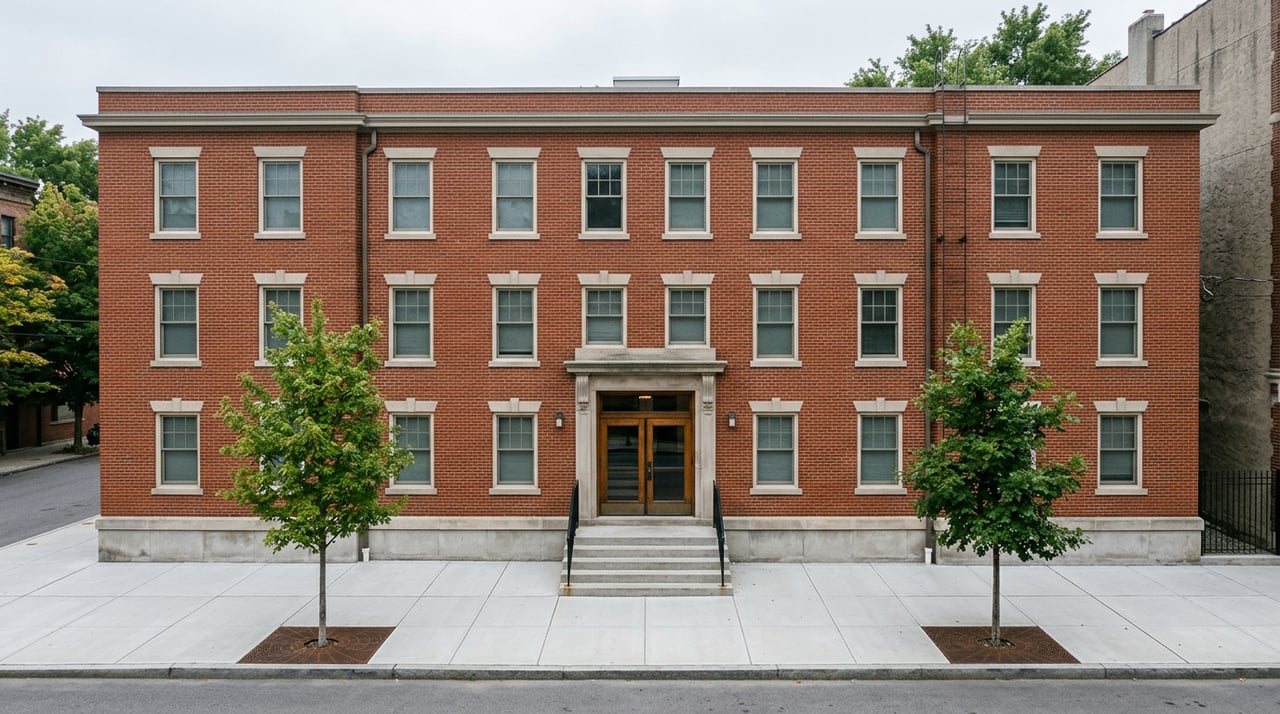
DUMBO New Development Vs Resale: Costs And Tradeoffs

January 1, 2026

Thinking about a DUMBO condo and torn between a shiny new development and a character-rich resale? You are not alone. In a small, high-profile waterfront market like DUMBO, the right choice comes down to how you balance costs, timelines, lifestyle, and long-term value. In this guide, you will learn the real tradeoffs, what documents to request, and how to avoid surprises before you tour or write an offer. Let’s dive in.

DUMBO market snapshot

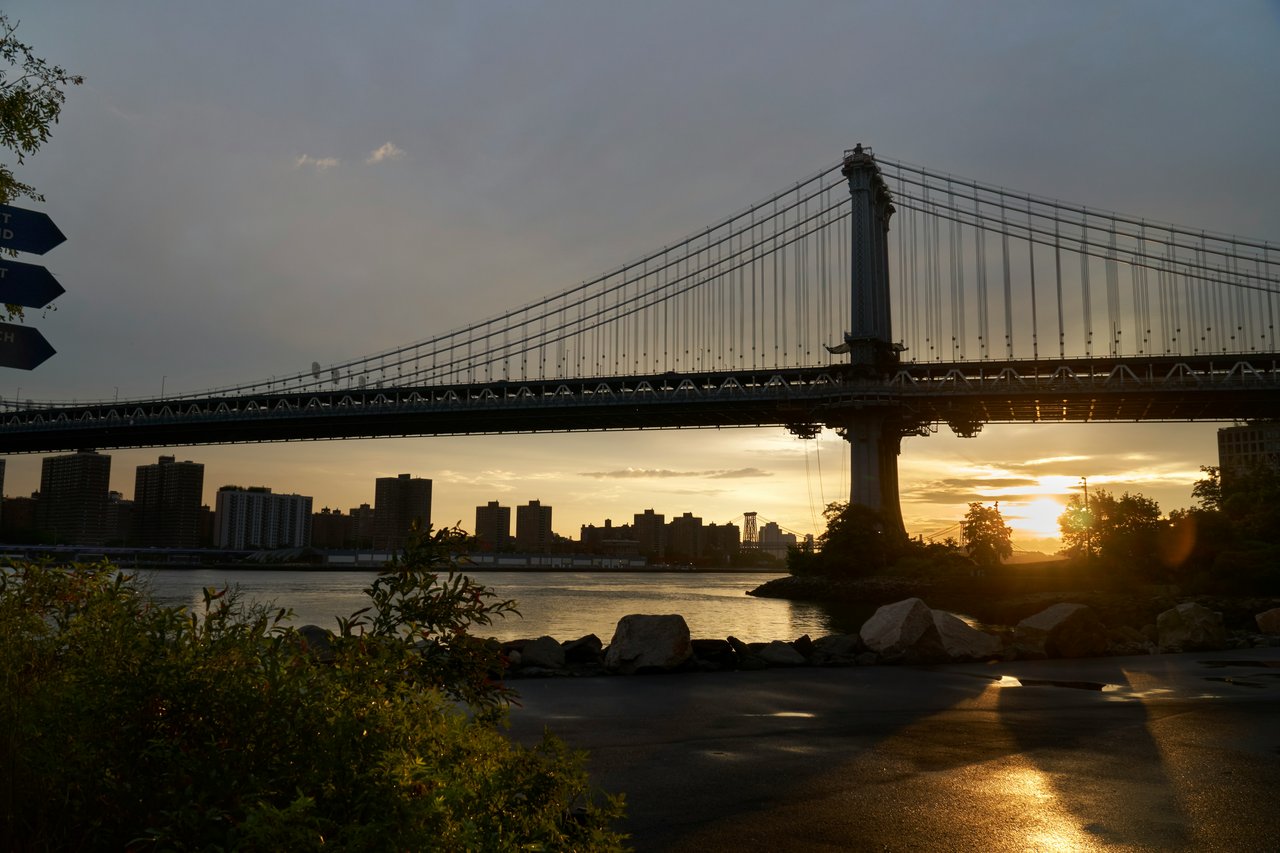
DUMBO is a compact Brooklyn waterfront neighborhood known for its parks, skyline views, and mix of historic industrial lofts and modern luxury buildings. That mix creates steady buyer demand and limited supply. Unit value often hinges on micro-location details like views, floor height, and proximity to Brooklyn Bridge Park and transit.

The building you choose matters as much as the block. Some addresses offer full-service amenities and glass-front exposures. Others trade on authentic loft character, larger rooms, and boutique scale. Understanding this building-by-building variation is key to the new development versus resale decision.

Cost comparison at a glance

Costs in DUMBO break into four buckets: purchase price, monthly charges, property taxes and abatements, and closing logistics. Here is what typically differs.

Purchase price

  • New development: Generally priced higher per square foot for similar views and exposures. You pay for new systems, contemporary layouts, and amenities.
  • Resale: Often offers better entry pricing, especially if a seller is motivated or a unit needs cosmetic updates.

Monthly charges

  • New development: Common charges may start higher. Early budgets fund amenities like doorman service, gyms, and roof decks, and economies of scale can take time to stabilize.
  • Resale: Budgets are tested, which can mean more predictable charges. Older buildings can still run higher if major work is planned.

Property taxes and abatements

  • New development: Many projects carry tax incentives with set expiration dates. Your carrying costs can change when an abatement sunsets.
  • Resale: Tax history is established, which helps with predictability. Assessments can still change after a sale.

Closing and financing

  • New development: Timelines depend on the sponsor, project stage, and certificate of occupancy. Deposits are often staged.
  • Resale: Closings are usually faster and more predictable once loan and attorney work are complete.

Taxes and abatements to watch

For new construction, an abatement can lower taxes for a set period. The schedule matters because monthly costs can rise when it expires. Ask for the abatement schedule or tax projections and map the year-by-year changes into your budget.

For resales, review at least three years of tax bills to see patterns and any recent assessments. Even with history, confirm how the condo is assessed and whether any changes are expected.

Key request list:

  • Abatement or PILOT schedule for new development units
  • Three years of tax bills for resales
  • Offering plan or attorney package details showing projected taxes

Timeline and financing differences

New development closings are tied to the sponsor’s delivery. If you buy during construction, you may not close until a certificate of occupancy is issued. Rate locks, appraisals, and lender underwriting can hinge on project status and owner-occupancy levels.

Resale condos usually close within 30 to 60 days, depending on your lender and legal process. You can move in as soon as you close, which helps if you have a fixed move date.

What to confirm early:

  • Project delivery dates and certificate of occupancy status for new builds
  • Deposit structure and key milestones in the offering plan
  • Lender appetite for the building and any condo certification requirements

Amenities and lifestyle tradeoffs

New developments often deliver a full amenity suite. Think attended lobbies, gyms, lounges, outdoor terraces, package rooms, and sometimes pools. These services can elevate daily living, while increasing operating budgets.

Resale buildings, particularly converted lofts, lean into character. You may find larger ceiling heights, exposed beams, and unique layouts, with fewer amenities on site. The right choice depends on whether you prioritize building services or the feel of the space itself.

Defects, punch-list, and maintenance

New construction comes with a punch-list and a warranty period. You will inspect and document items the sponsor needs to correct after closing. Expect some settling issues in early months, such as door adjustments or HVAC balancing.

Resales can surface known issues during inspection that you can price or negotiate. Look out for building-level projects like façade work, roof replacement, or mechanical upgrades that could trigger assessments if reserves are light.

Resale value and long-term liquidity

In DUMBO, value is often anchored by views, park access, and floor height. New developments market modern layouts and amenities that appeal to a broad pool of buyers, which can support liquidity. The tradeoff is the initial premium you pay, and any near-term competition from similar launches.

Resale lofts can hold value through distinctive character, larger rooms, and proven building reputations. They can attract buyers seeking authenticity and uniqueness. The tradeoff is fewer amenities and potential renovation or maintenance needs.

Governance and policy factors

New buildings are often under sponsor control in the early phase. Board policies, reserve funding, and investor ratios can shift as the building transitions to owner control. Ask for specifics in the offering plan and financials.

For both new and resale condos, rental and sublet rules affect marketability. Some buildings cap investor ownership or limit lease terms. Financing can also depend on owner-occupancy ratios and condo approvals, which influence lender options and rates.

Decision checklist for buyers

Use this quick checklist to clarify your fit before touring.

Personal priorities

  • Do you need to occupy within 60 days or can you wait for delivery?
  • Do you prefer new finishes and amenities or historic character and larger rooms?
  • Is minimizing near-term monthly costs a priority?
  • Will you rent the unit soon after closing? Confirm rental policies.

Financial and taxes

  • Gather recent tax bills, abatement schedules, HOA budgets for 2 to 3 years, and reserve balances.
  • Model total monthly costs: mortgage, common charges, taxes, and utilities.
  • For new builds, use the offering plan’s tax projection and sample budget.

Building health and governance

  • Read the condo declaration, bylaws, house rules, and the last 12 months of board minutes.
  • For new projects, confirm percent sold, sponsor inventory, and any sponsor control terms.
  • Ask about planned capital projects or assessment history.

Contract and legal terms

  • For new construction, review deposit schedules, default remedies, buyer incentives, and closing conditions.
  • Have your attorney flag any unusual or punitive clauses.

Physical and warranty

  • New builds: confirm certificate of occupancy timeline, builder warranty scope, and punch-list process.
  • Resales: order inspections, review any recent renovation permits, and check mechanicals.

Marketability and resale

  • Ask about rental restrictions, investor caps, and owner-occupancy ratios.
  • For prime views, confirm any approved nearby projects that could affect view corridors.

Financing and appraisal

  • Get pre-approved for a condo loan that fits the building’s status.
  • Ask your agent for a recent comp set comparing new development and resale per-square-foot pricing for similar exposures.

Before touring

  • Bring a current pre-approval or proof of funds.
  • Request building documents early so your attorney can pre-review.
  • Ask for the latest budget and tax projection from the listing or sponsor team.

Red flags to surface early

  • Low reserve fund relative to the building’s age and amenities
  • Large pending assessments or frequent special assessments in minutes
  • Sponsor holding a large block of unsold units for an extended period
  • Abatement expiring soon with a significant tax increase
  • Sales contract with severe deposit forfeiture terms
  • Heavy reliance on short-term rentals or low owner-occupancy ratios that may limit financing

Documents to request:

  • Offering plan for new development, including deposit structure and abatement schedule
  • Condo bylaws, declaration, and house rules
  • HOA budget and most recent financial statements
  • Board minutes for the last 12 to 24 months
  • Reserve study or reserve fund notes
  • Three years of property tax bills and assessment history
  • Certificate of occupancy or relevant filings for new construction
  • Records of recent or planned capital projects

How to choose with confidence

If you want the newest finishes, a full amenity package, and can accept a longer timeline or higher monthly charges, new development may fit. If you value predictable taxes, faster closings, and authentic loft character, a resale may be the better move. In DUMBO’s tight market, the best option is the one that aligns with your timeline, budget, and the way you plan to live.

Before you tour, share any offering plan, budget, or abatement schedule with a trusted advisor who knows the micro-market. A careful review can protect you from unpleasant surprises at closing or in year two when taxes change.

Ready to compare specific buildings or a unit you have your eye on? Connect with Peter Mancini for a pre-tour review of the offering plan or HOA budget, a carry-cost breakdown, and a comp set that reflects DUMBO’s view and floor premiums.

FAQs

How long to close on a DUMBO new development?

  • Many new development closings depend on the sponsor’s schedule and the certificate of occupancy, while resales often close in about 30 to 60 days based on lender and attorney timing.

How do condo tax abatements affect monthly costs?

  • Abatements can lower taxes for a defined period and then step up, so request the schedule and map the year each change occurs into your affordability plan.

Are new developments pricier than resales in DUMBO?

  • New developments typically carry a per-square-foot premium for new finishes and amenities, while resales can offer better entry pricing or negotiation room depending on condition and seller motivation.

What documents should I review before buying in DUMBO?

  • Ask for the offering plan or attorney package, HOA budget and financials, board minutes, tax bills or abatement schedules, and any certificate of occupancy or major capital project records.

Which units hold value best in DUMBO?

  • Units with unobstructed views, proximity to Brooklyn Bridge Park, and desirable floor height tend to be well positioned, but building quality, policies, and market timing also matter.

Work With Us

Pen Realty greets clients with a devotion to seamless home sales and a professional promise to buy or list with expert confidence.