COPA in NYC: What Brooklyn Sellers Need to Know Before Listing in 2026
Sellers December 4, 2025
Sellers December 4, 2025
When you’re preparing for a major performance, you never step on stage without knowing the score. As a tenor who trained for years before transitioning into real estate, that lesson has stayed with me: confidence comes from clarity. And right now, Brooklyn sellers need clarity on one emerging policy—COPA, the Community Opportunity to Purchase Act.
Across New York City, lawmakers are exploring COPA-style frameworks that would give qualified nonprofits the first right to purchase certain multifamily buildings before they hit the open market. The goal, according to reporting from The New York Times, is to preserve long-term affordable housing by keeping more properties out of speculative buyer cycles. The Real Deal has also covered NYC’s growing interest in following cities like San Francisco and Washington, D.C., where similar laws already exist.
But for Brooklyn property owners—especially those planning to sell in 2026—COPA introduces new complexities. It’s not just a headline. It’s a shift that may change your timeline, your pricing strategy, and the overall competitive environment around your sale.
This guide breaks down what COPA is, what it is not, and what sellers should be preparing for now.
COPA, the Community Opportunity to Purchase Act, is a policy model that gives nonprofit housing organizations the first opportunity to buy qualifying buildings before they are listed for general public sale. Typically, this applies to multifamily buildings above a certain unit threshold—often 3 units, 6 units, or more, depending on legislation.
While New York City has not fully implemented COPA, key officials have signaled interest in drafting legislation. Housing advocates argue it strengthens affordability. Sellers, attorneys, and brokers, however, see the potential for delays, uncertainty, and valuation questions.
Here’s the basic structure of COPA models in other cities (NYC may mirror something similar):
Seller notifies qualified nonprofits of intent to sell.
Nonprofits have a set period—often 5 to 30 days—to express interest.
If they do, they receive a negotiation window.
Only if no nonprofit moves forward can the property enter the public market.
For sellers used to immediate exposure, open bidding, and competitive offer cycles, this creates a new first step—and sometimes a new hurdle.
A blend of factors is driving policy discussions:
The New York Times has documented the rising pressure on the city’s housing system, especially in neighborhoods facing displacement and rapid investment.
Nonprofits aim to keep rents controlled and prevent turnover. COPA gives them a structural advantage.
The Wall Street Journal has reported repeatedly on the fluctuations in multifamily pricing and investor appetite, raising concerns about speculative buying.
From a policy standpoint, COPA is intended as a safeguard—keeping more buildings in mission-based ownership.
From a seller’s standpoint, however, it changes the playbook.
If New York moves forward with COPA legislation, Brooklyn property owners should expect three major impacts:
Under COPA, sellers must give nonprofits a formal notice before anyone else. That alone introduces:
waiting periods
document verification
potential due-diligence extensions
Even if a nonprofit ultimately passes, the seller loses valuable days or weeks at the beginning of the listing period. In a competitive market, timing influences everything—from buyer demand to pricing leverage.
Open bidding is the backbone of maximizing sale price in Brooklyn, especially for multifamily assets. COPA changes that by giving nonprofits early positioning—often without competing offers.
This can mean:
fewer simultaneous bidders
lower initial price pressure
negotiations outside traditional market dynamics
For sellers depending on multiple offers or investors to drive value, this shift matters.
While nonprofits must offer “fair market value,” the challenge is defining fair market value in a process that limits exposure.
As The Real Deal notes, nonprofit financing structures can introduce uncertainty:
grant-based funding
layered subsidies
longer underwriting cycles
mission-driven valuation priorities
This may not always align with a seller’s goals or timeline.
While final legislation will dictate specifics, properties likely to be impacted include:
Multifamily buildings (3+ or 6+ units, depending on thresholds)
Buildings with stabilized tenants
Mixed-use properties with residential components
Buildings owned by long-term family operators planning to sell in 2026 or later
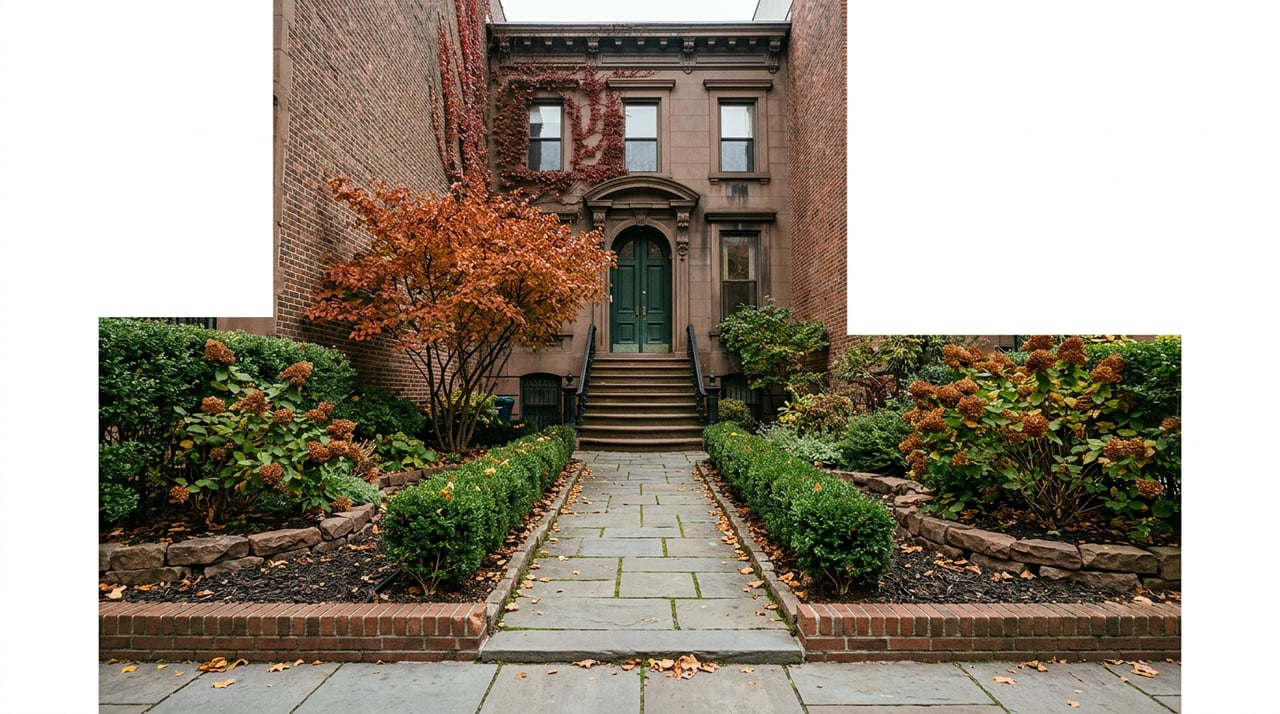
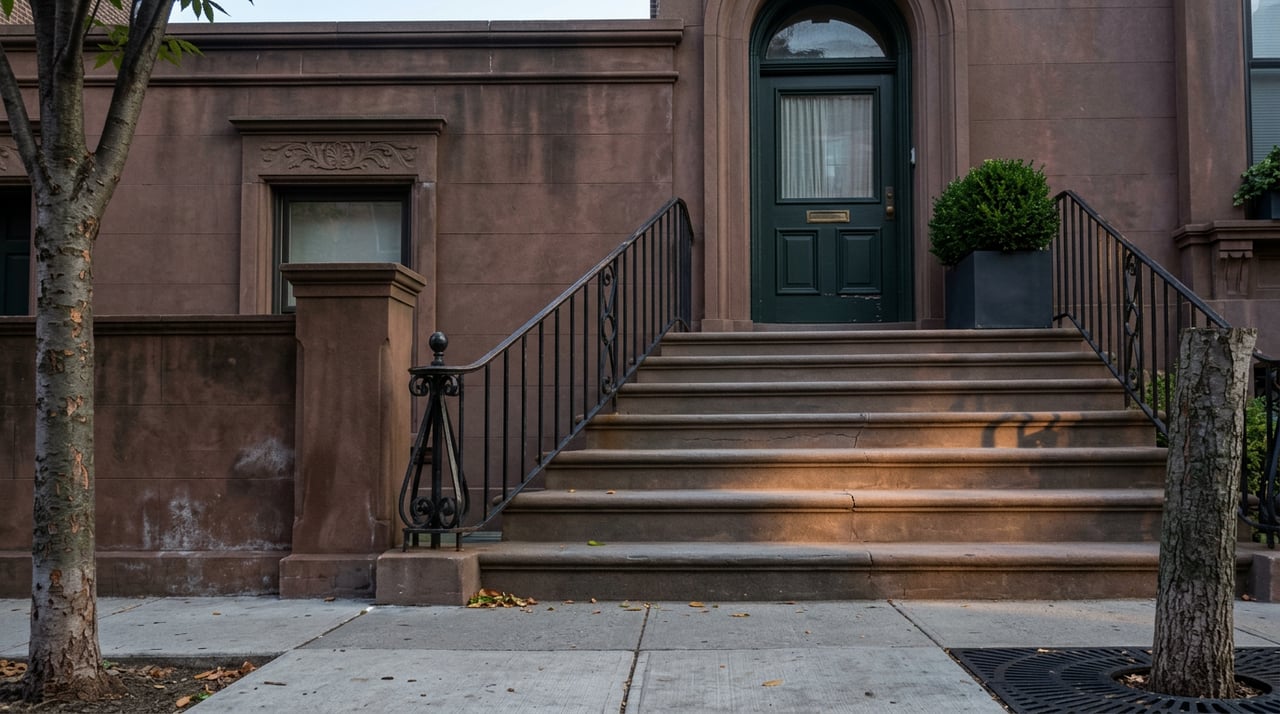
Brownstone owners with two-family homes may not be affected depending on unit count—something sellers should confirm once legislation is finalized.
Not necessarily—but it may affect how quickly you reach the price you want.
If nonprofits pass quickly and the building proceeds to the open market, pricing is unaffected.
If a nonprofit expresses interest, however, two things may happen:
You enter a negotiation outside traditional competition.
You may lose time in the peak buying window.
Brooklyn pricing is highly sensitive to timing. Days lost can equal offers lost.
Whether COPA becomes law in early 2026 or later, the smart move is to treat preparation like a performance.
Before you step on stage, the music must be learned, the breath must be controlled, and the cues must be internalized. Selling your Brooklyn property is no different.
Here’s what sellers should do now:
Organize building records and financials (rent rolls, DHCRs, HPD records).
Prepare your timeline in case nonprofit windows are required.
Meet with your broker to map out strategy and potential COPA impact.
Discuss preliminary documentation with your attorney now—not after notice requirements begin.
Understand your buyer pool and how nonprofits may change initial exposure.
Preparation isn’t just wise—it’s the new advantage.
Worried? No.
Prepared? Absolutely.
COPA doesn’t remove a seller’s ability to sell. It simply adds an additional step—one that requires clarity, planning, and the right representation.
As we approach 2026, knowledge will determine performance. Sellers who understand the structure will navigate it smoothly. Sellers who don’t may lose time or leverage without realizing it.
This is where expert guidance matters.
Brooklyn real estate is always evolving, and COPA is the next chapter the city is preparing to write. Whether you’re thinking of selling a brownstone, a multi-unit building, or a long-held family property, understanding this policy is essential.
My goal is to help you navigate it with confidence.
Because in real estate—just like in music—clarity leads to mastery, and mastery leads to a stronger performance.
If you’re planning to sell in 2026 or want an early strategy session:
📍 Visit PenRealty.net
📞 Contact Pen Realty directly
Your next move deserves A Signature Experience.



Pen Realty greets clients with a devotion to seamless home sales and a professional promise to buy or list with expert confidence.
Get in Touch With Our Team to Learn More