Love the idea of a classic Park Slope brownstone but worried about the rules of the Historic District? You’re not alone. Buying here means navigating New York City Landmarks Preservation Commission (LPC) standards, especially if you plan to restore, replace windows, or add rooftop elements. This guide breaks down what the designation means for you, how LPC approvals work, realistic timelines, and a buyer checklist so you can move forward with confidence. Let’s dive in.
What Historic District status means
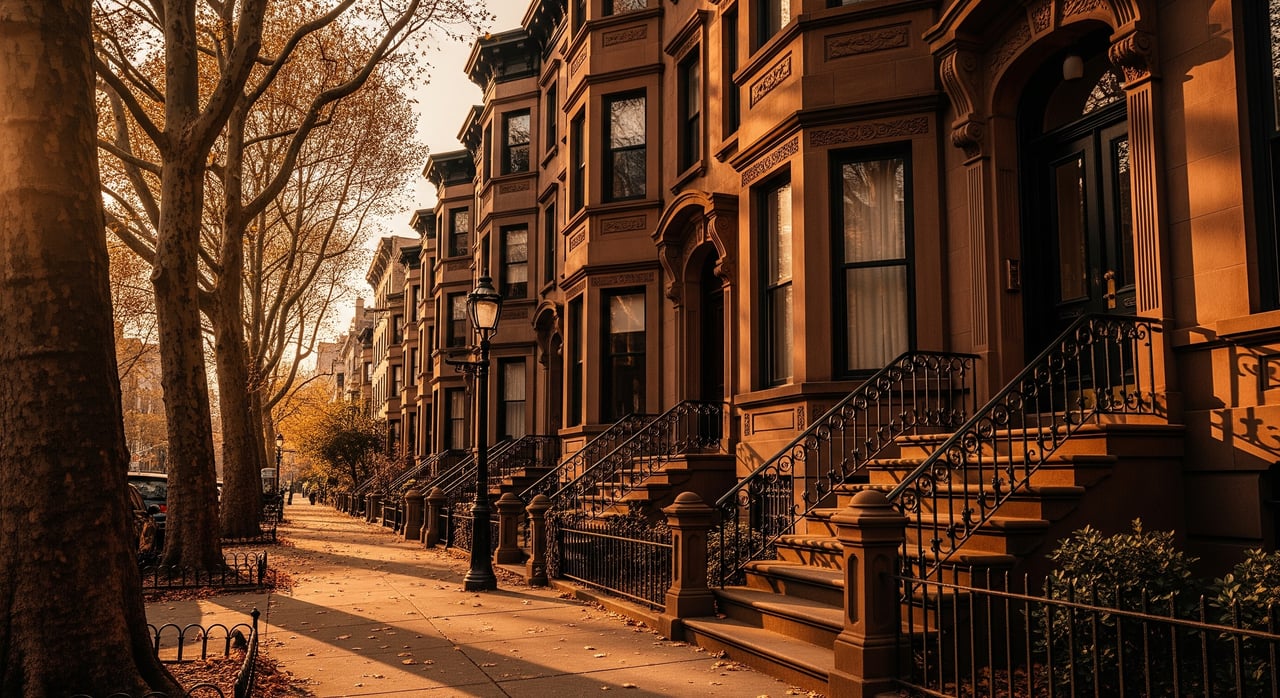
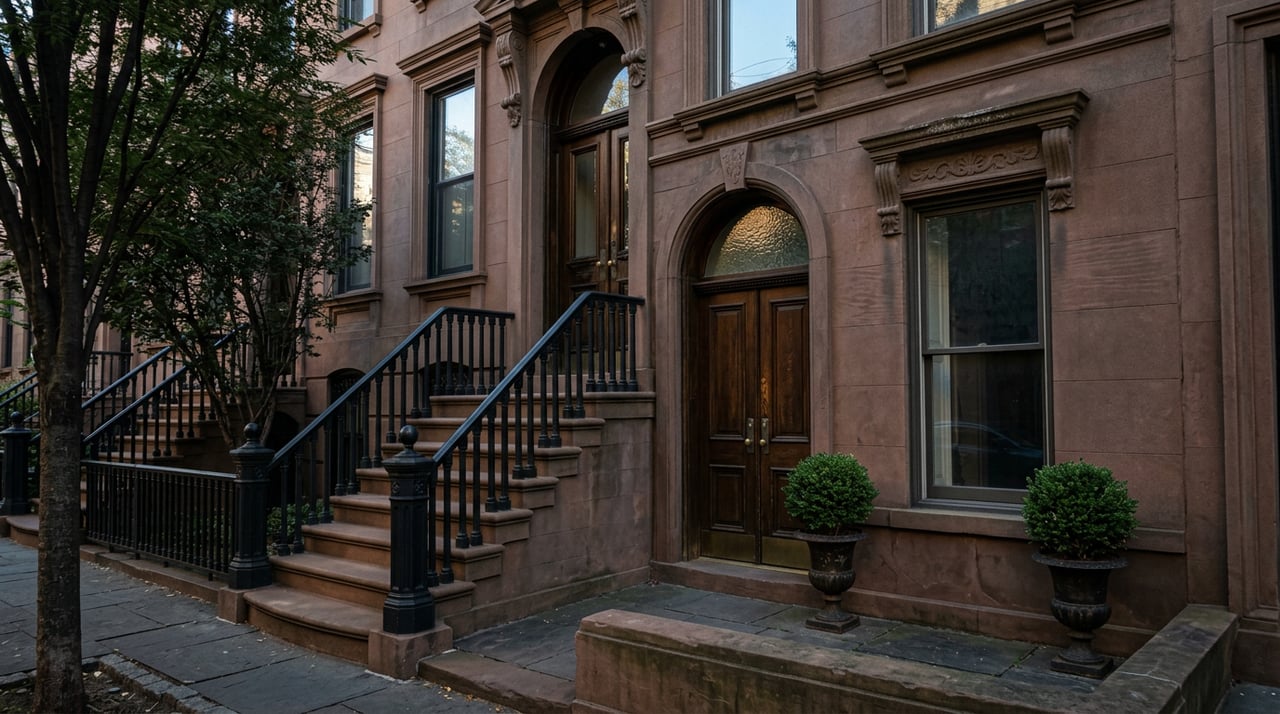
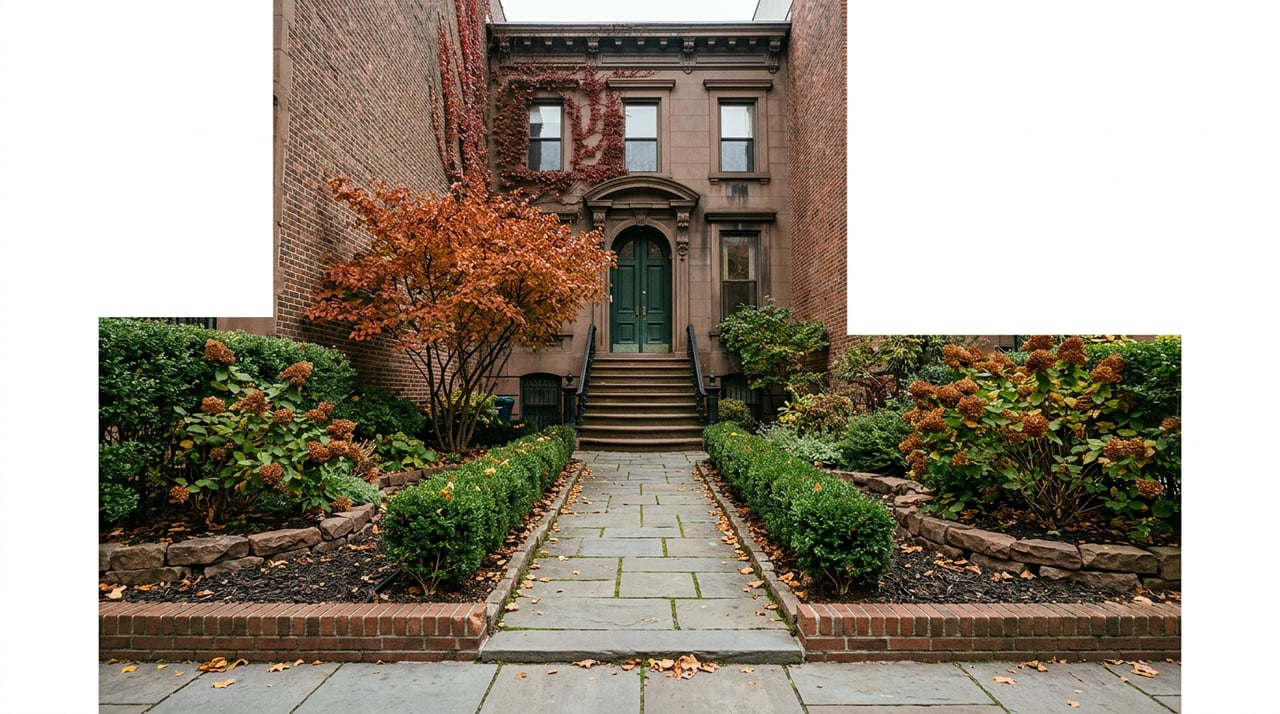
Buying inside the Park Slope Historic District means exterior changes that are visible from a public way need LPC review before you file for Department of Buildings (DOB) permits. Interiors are typically outside LPC review unless a rare interior is designated. Plan on LPC involvement for any street-facing façade, stoop, visible roofline, front fence, doors, or windows. The district’s character includes 19th-century rowhouses with brick and brownstone façades, raised stoops, cornices, bays, and ironwork. These features are considered protected elements.
LPC approval documents are usually required by the DOB before it issues permits for exterior work. If you’re planning visible alterations, assume LPC first, DOB second.
LPC approvals you’ll hear about
Certificate of No Effect (CNE)
A CNE is used when proposed work will have no effect on protected features or aligns with LPC standards. Typical examples include in-kind repairs like repointing, patching brownstone, minor stoop repairs, window reglazing where frames remain, and some non-visible rooftop mechanicals. Staff review is common and can be faster than a public hearing.
Certificate of Appropriateness (CoA)
A CoA is required for substantial exterior changes, visible additions, or alterations that change design, materials, or massing. Think new windows that alter profiles on the primary façade, stoop reconstructions that deviate from original design, visible rooftop additions, or major façade work. CoAs often involve a public hearing and a longer timeline.
Permit-exempt work
Some routine maintenance and interior work can be exempt from LPC review. When in doubt, confirm with LPC or pursue a CNE so there’s a clear record before you proceed.
Typical review timelines
- Staff-level reviews, including many CNEs, can take days to a few weeks depending on complexity and documentation.
- Commission-level actions with hearings can take several weeks to multiple months, especially if revisions are needed.
- DOB permitting adds time and usually follows LPC approval for exterior work.
Common exterior limits in Park Slope
Façades and masonry
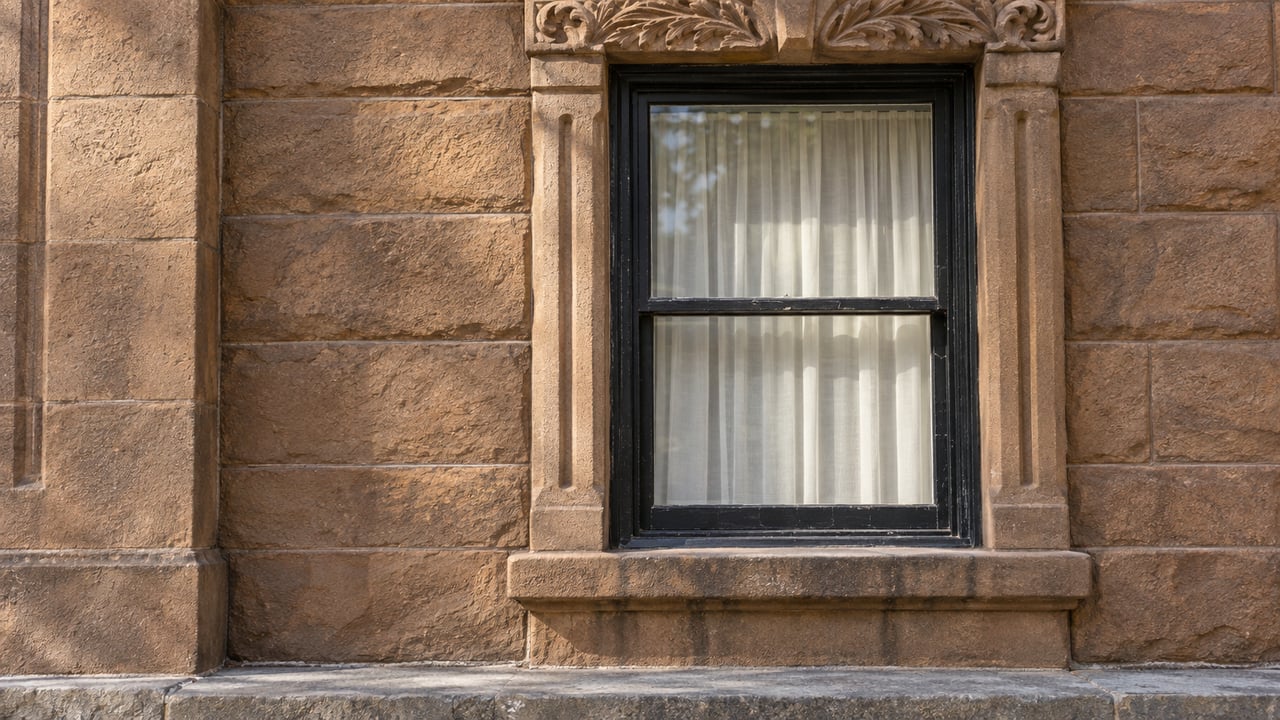
Brownstone and brick define the district’s look. LPC generally favors in-kind repair over replacement on primary façades. Repointing requires close attention to mortar color, joint profile, and composition. If stone is deteriorated, you may need to document conditions before LPC approves replacement or compatible substitutes.
Stoops and railings
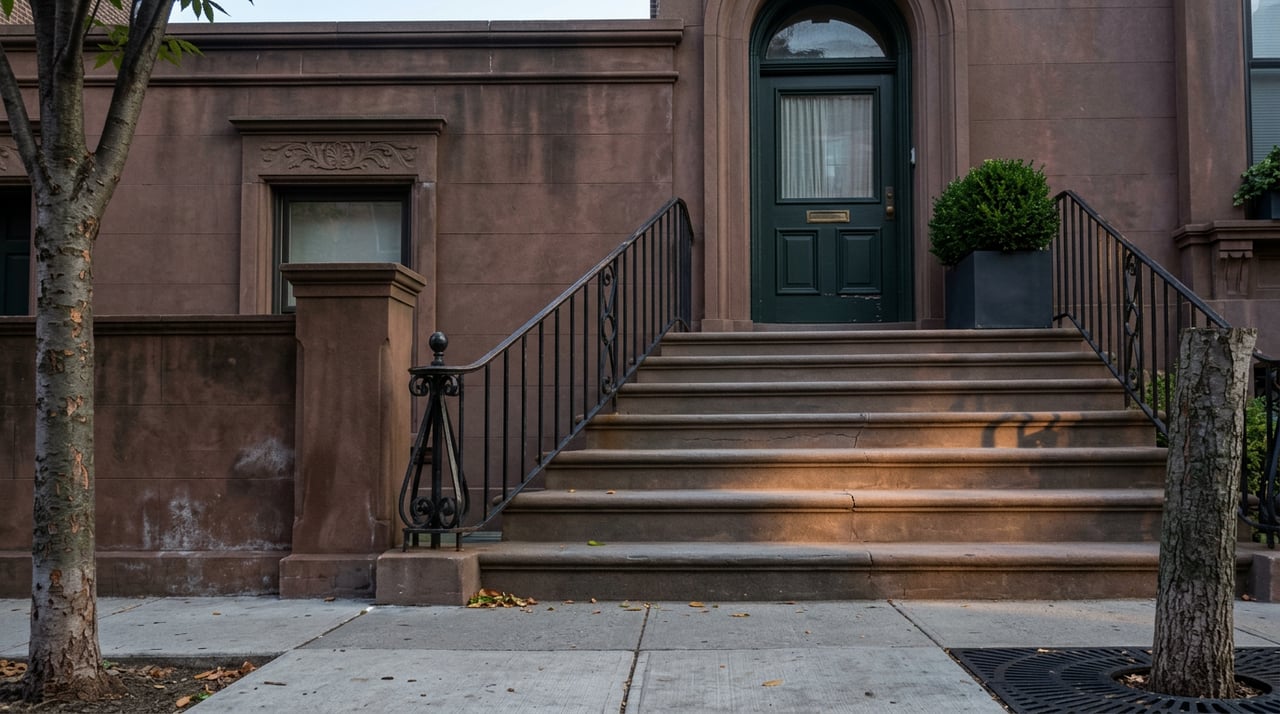
Stoops, entry details, and iron railings visible from the street are considered character-defining. Repairs or reconstructions typically must replicate original design and materials. Replacing front-yard fences or railings will also need LPC approval and should reflect historically appropriate styles.
Windows and doors
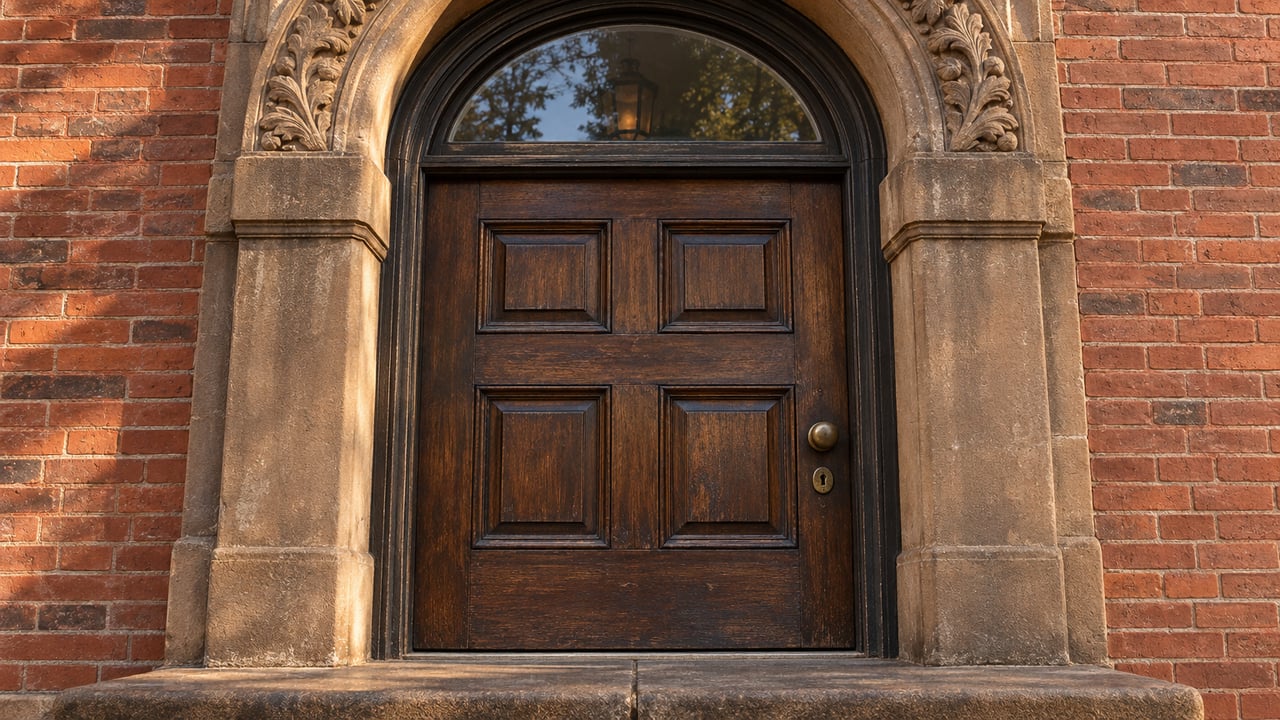
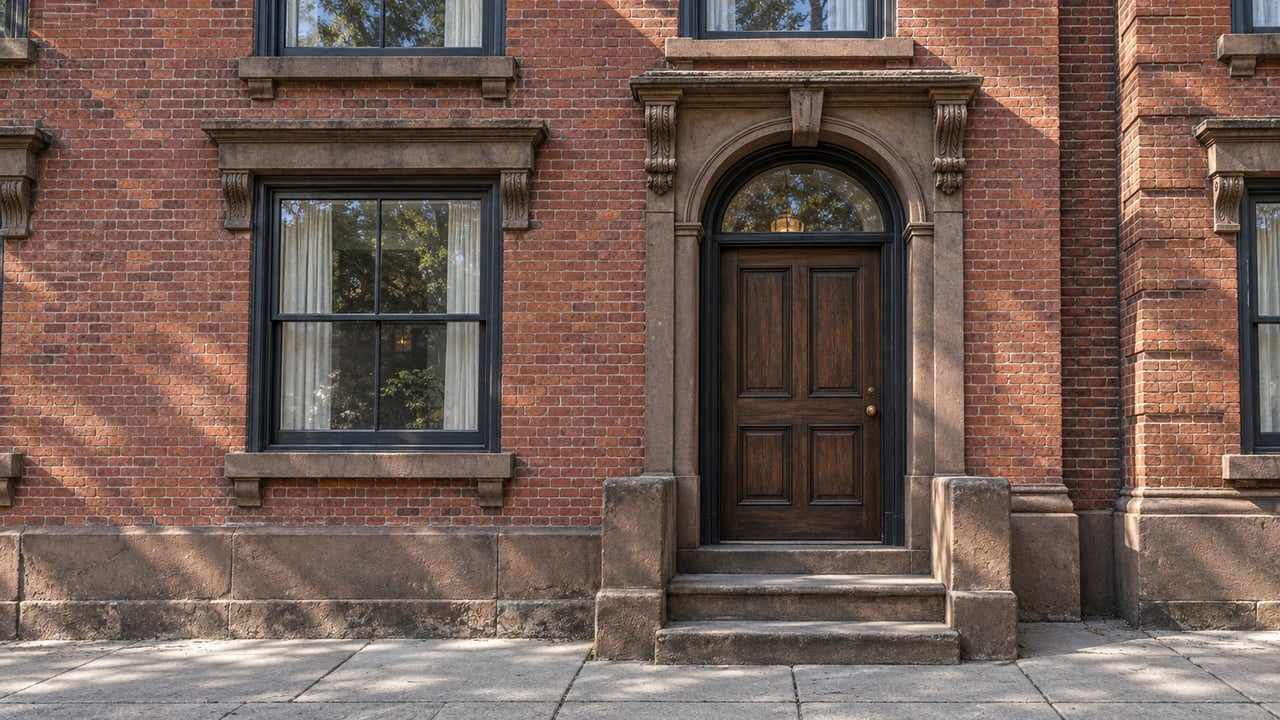
Street-visible windows and doors are common review items. LPC often expects original profiles, muntin patterns, and operation to be replicated. Wood is historically favored for visible elevations. Off-the-shelf vinyl replacements are frequently discouraged and may be denied if they do not match historic details.
Cornices and trim
Cornices and decorative elements shape the streetscape. Removing or drastically altering them is unlikely to be approved. Repairs should use appropriate materials and methods.
Roofs and rooftop additions
Visible rooftop changes face scrutiny. LPC may allow set-back rooftop elements or mechanicals when they are not visible from public vantage points and are well documented. If any part is visible, expect a closer review and possibly a CoA.
Rear-yard work and interiors
Rear façades and interiors are generally outside LPC jurisdiction unless the work is visible from a public way such as a street or park. If visibility is possible, plan on LPC review.
A smart renovation workflow for buyers
Do this before you make an offer
- Ask the seller for prior LPC approvals (CNEs, CoAs), DOB permits, and any violation history.
- Order a thorough inspection that notes exterior conditions like masonry, stoop, windows, cornice, and roof. Consider a structural engineer for settlement or severe deterioration.
- Have your real estate attorney check for recorded easements and open LPC or DOB enforcement actions that could affect closing or financing.
Build the right team early
- Hire an architect or preservation consultant with LPC experience to advise on CNE vs CoA pathways and prepare drawings and specs.
- Choose a contractor who knows brownstone restoration techniques and LPC expectations, especially mortar matching and stone repair.
- Coordinate with your attorney and lender early. Some lenders require open violations to be cleared or engineer reports before funding.
Typical approval path
- Define scope and document existing conditions with photos, elevations, and materials.
- Consider an LPC pre-application consult to confirm whether the work is CNE-eligible.
- Submit your application to LPC. Minor in-kind work often goes through staff review. Visible changes or additions usually require a CoA.
- Respond to LPC feedback. If approved, you receive the certificate. If revisions are requested, resubmit. CoA projects may include a public hearing.
- Apply to DOB with LPC approvals attached for any work requiring DOB permits.
- Build to approved drawings. Keep LPC documents on site for inspections. Follow approved details closely.
- Close out with DOB and maintain records of all approvals and permits.
Timelines to expect
- CNE or staff-level approvals: days to a few weeks.
- CoA and hearings: several weeks to multiple months.
- DOB permitting: additional weeks, depending on complexity and corrections.
Pitfalls to avoid
- Unapproved exterior work by a prior owner. Vinyl windows, removed cornices, or altered stoops can trigger violations and costly restoration.
- Incomplete LPC or DOB history that slows underwriting or closing.
- Underestimating costs and time. Historic materials, in-kind replacements, and specialized trades often extend schedules.
- Lender requirements you discover late. Exterior violations or missing permits can delay funding.
- Scope creep from hidden conditions such as decayed brownstone, lead paint, or concealed rot.
Buyer due diligence checklist
- All LPC approvals on file: CNEs, CoAs, and any correspondence.
- DOB permit history and status of open or closed violations.
- Photos and contractor documentation for any exterior work done by the seller.
- Certificate of occupancy, if interior use was changed.
- Inspection reports, engineer assessments, and any material testing or mortar analysis.
- Evidence that past unpermitted work was legalized or a plan to remediate after closing.
Budgeting and timing tips
- Build contingency into both cost and schedule. Historic restoration often reveals hidden work.
- Prioritize like-for-like repairs on the primary façade to speed review and protect neighborhood character.
- Plan rooftop work conservatively. Non-visible placement improves your odds of faster approval.
- Sequence approvals smartly. Start LPC early, then file with DOB once LPC documents are issued.
How Pen Realty supports your purchase
You deserve clear, local guidance at every step. With a neighborhood-first approach in Park Slope, Pen Realty helps you source the right property, organize due diligence, and coordinate with your attorney, architect, and lender so your timeline stays on track. You get candid advice on LPC expectations and a plan that fits your goals and budget.
If you’re weighing a brownstone that needs façade work, a window program, or a possible rooftop addition, we’ll help you evaluate what is likely to be approved and what it will take to get there.
Ready to buy with confidence in the Park Slope Historic District? Connect with Peter Mancini for a tailored strategy.
FAQs
What is the LPC and how does it affect a Park Slope purchase?
- The NYC Landmarks Preservation Commission regulates exterior changes visible from public ways in designated districts, so you need LPC approval for most street-visible work before DOB permits.
Do interiors require LPC approval in Park Slope?
- Interior work is generally outside LPC review unless a rare interior has been designated, but interior changes that affect the visible exterior still require LPC involvement.
Can you replace windows on a Park Slope brownstone?
- Yes, but street-visible windows typically must replicate original profiles, muntin patterns, and operation, and often use historically appropriate materials such as wood.
How long do LPC approvals take for exterior work?
- Staff-level approvals like many CNEs can be days to a few weeks, while CoAs that go to public hearing may take several weeks to multiple months.
What if a seller did unapproved exterior work?
- Unapproved changes can lead to violations and required restoration; you should verify approvals and permits during due diligence and plan remediation or negotiate credits.
Are rooftop additions possible in the Historic District?
- Potentially, especially if the addition is set back and not visible from public ways, but visible roofline changes face close LPC scrutiny and often require a CoA.