The Greenwood Heights Median Price Is Measuring Two Different Neighborhoods at Once
September 17, 2026
September 17, 2026
In February 2026, PropertyShark's data on Greenwood Heights showed the median house sale price at $2.3 million, up 55 percent from the year before. In the same monthly report, the median condo price had fallen 33.9 percent, down to $789,000. Two housing types, same zip code, same 30-day window, moving in opposite directions by double digits.
A month later the picture changed again. Redfin's blended median for every home sold in Greenwood Heights in March 2026, houses and condos combined, came in at $1.4 million, down 15 percent year over year, on just 17 closings. Zillow's separate running estimate for the same pocket of Brooklyn put average home value at $1,113,534, up 4.6 percent. Three data providers, three numbers, three directions, describing the same handful of blocks in the same season.
None of these figures are wrong. They are measuring a neighborhood too small and too mixed for a single number to describe.
Greenwood Heights is small by design, not by accident of reporting. It runs roughly from 9th Avenue and 15th Street on the north down to 36th Street, bounded by Eighth Avenue to the east and Third Avenue to the west, covering barely two dozen blocks in total. With a footprint that tight, a typical month sees closings in the high teens rather than the hundreds you'd find in a neighborhood like Park Slope.
That matters because small samples are volatile by nature. When 17 or 19 sales make up your entire monthly dataset, a single large rowhouse closing can pull the house median up by more than half. One older condo resale, priced below the newer buildings around it, can drag the condo median down by a third. Neither move reflects a shift in what buyers are willing to pay. Both reflect what happened to close escrow that particular month.
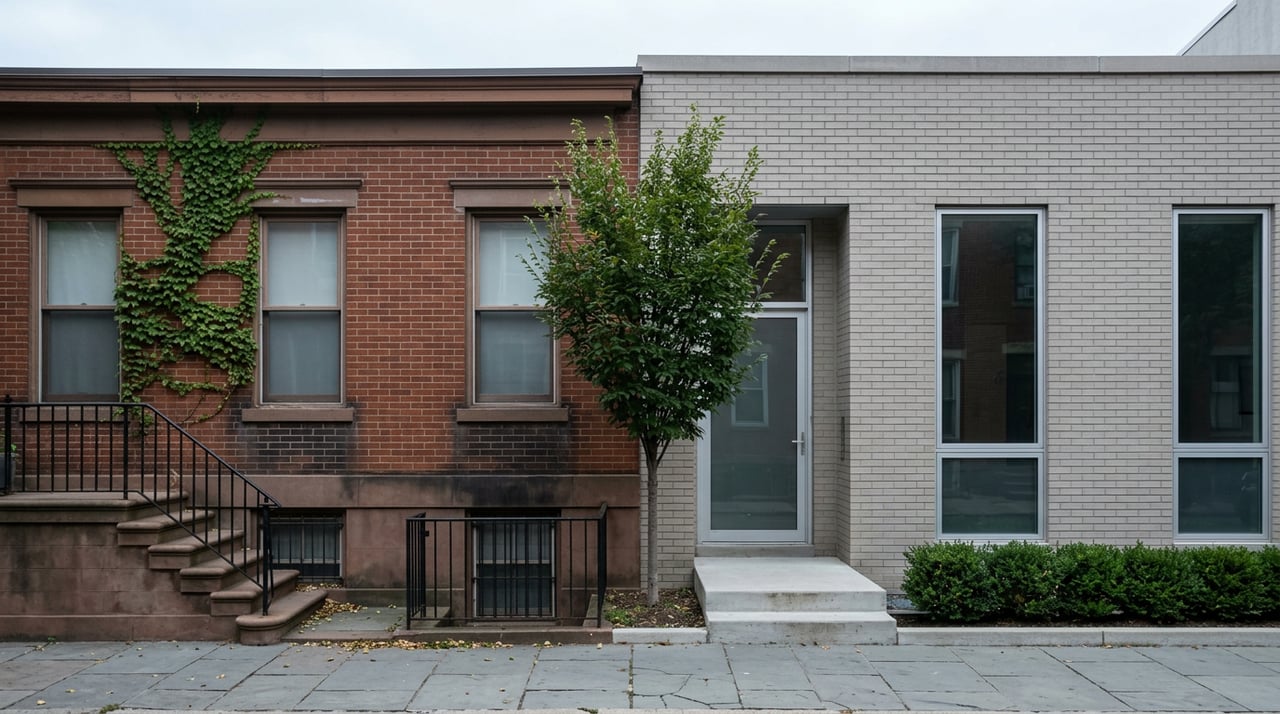
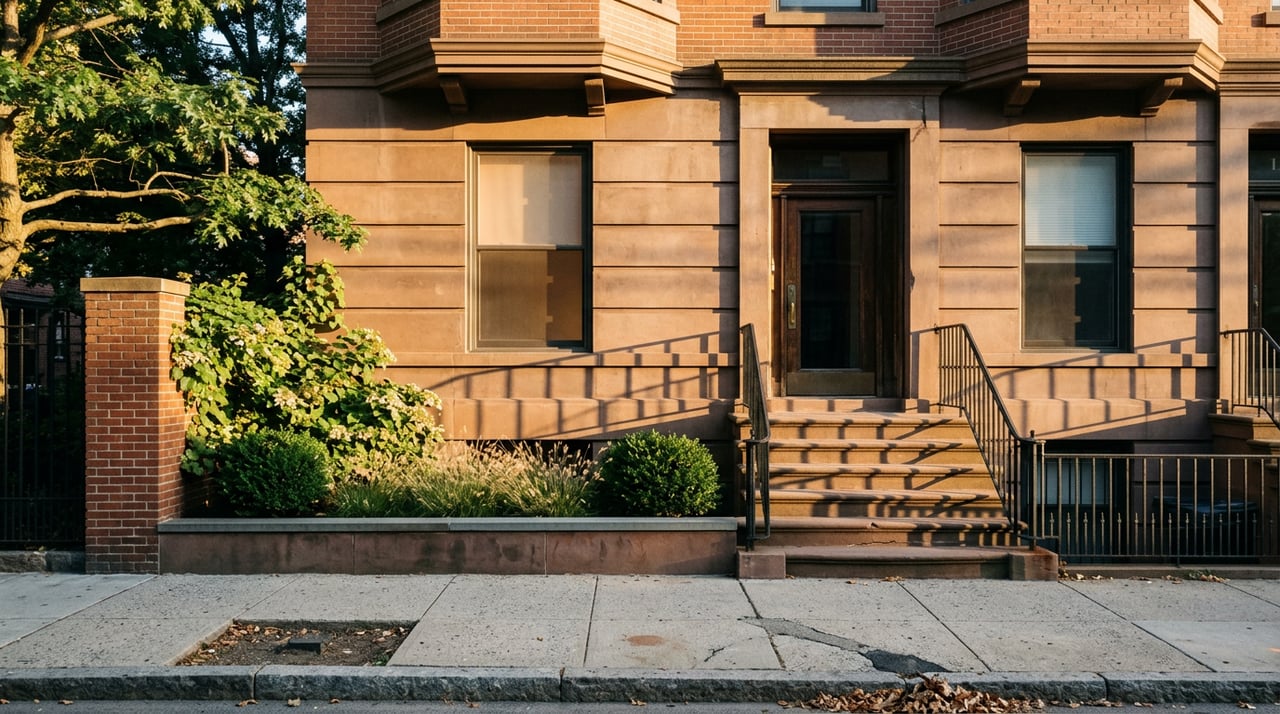
The volatility isn't only about sample size. It's also about what's actually being averaged together. Greenwood Heights' real estate is a mix of century-old row and single-family houses alongside a wave of small condominium buildings built over roughly the past decade, block by block, lot by lot. These are not variations on one product. They are two different products sharing a median.
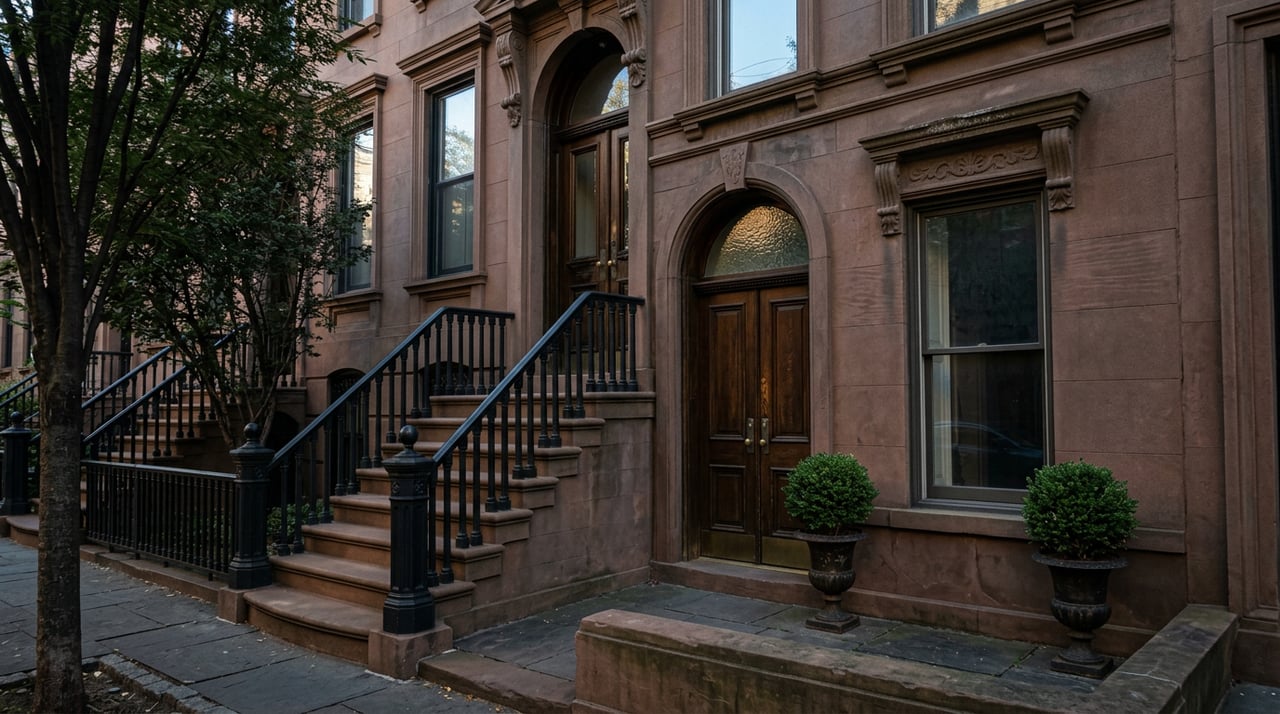
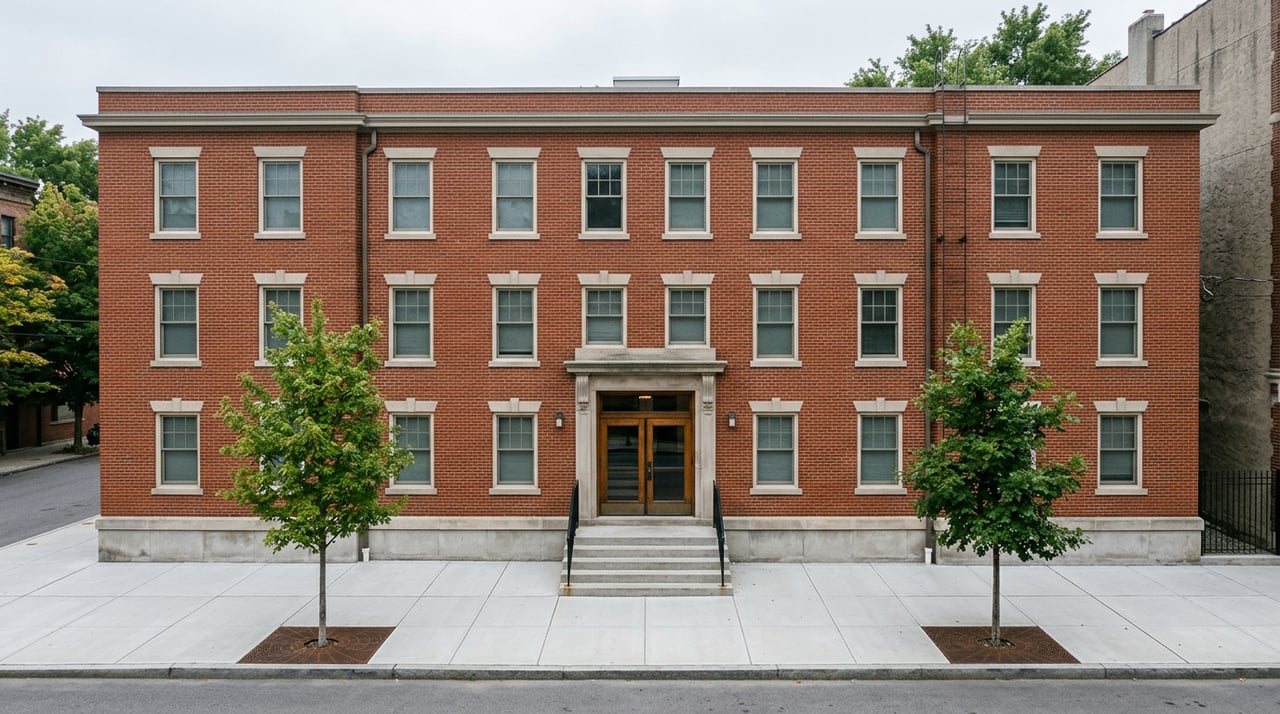
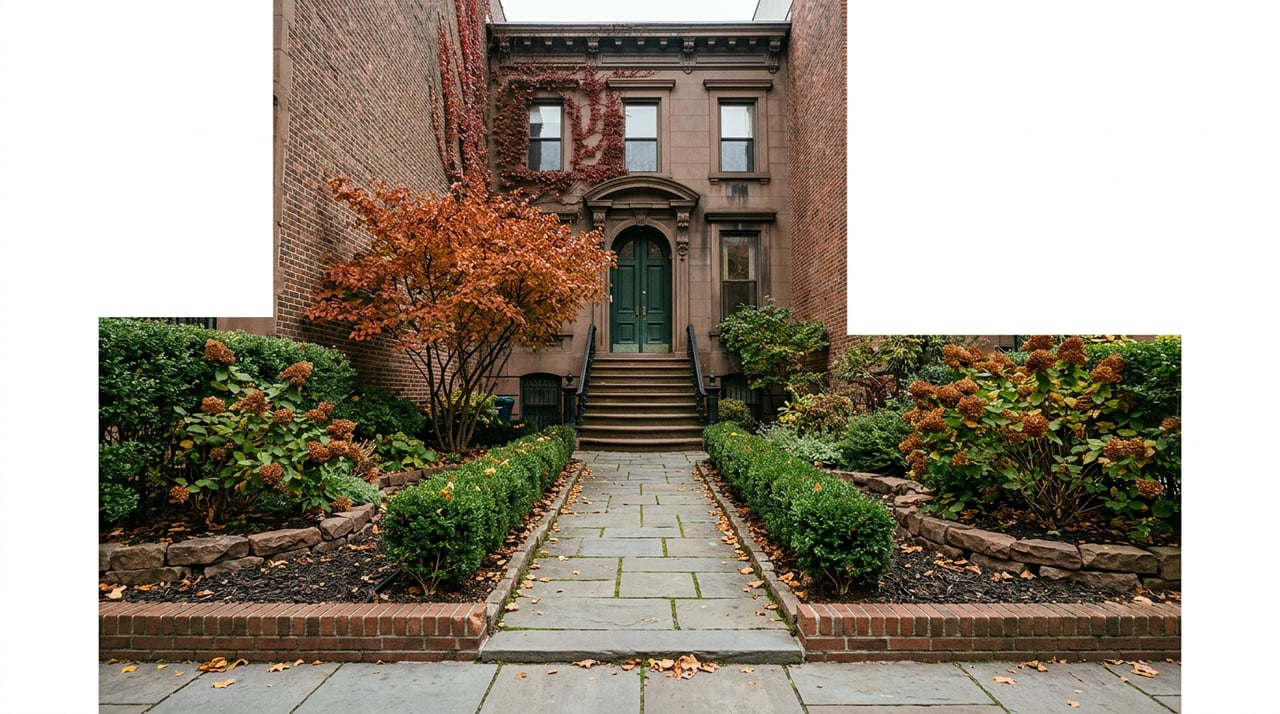
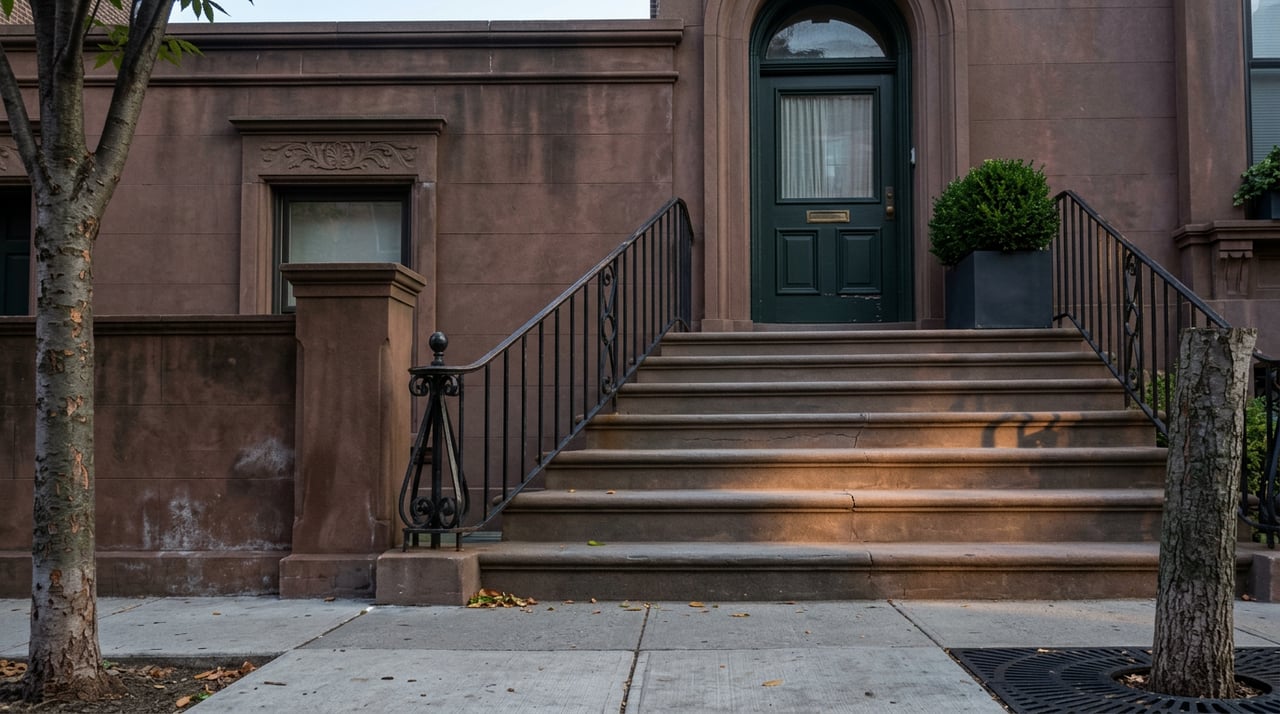
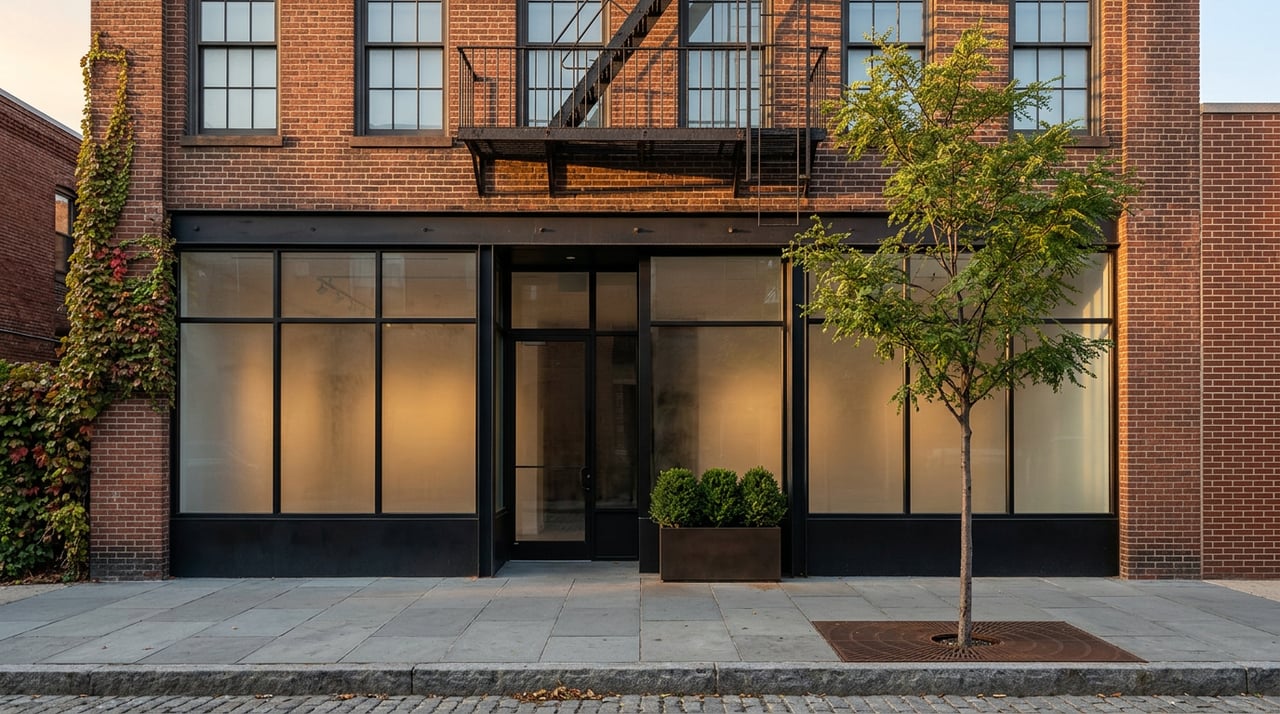
On one end sit the two- and three-family rowhouses that have defined these blocks since the early 1900s, many originally built for the working families who settled near Green-Wood Cemetery's grounds. On the other end sit boutique new-construction condos, often four to nine units per building, going up on infill lots along 18th, 22nd, and 23rd Streets. A short list of what's actually closed or is under construction in this second category:
Older condo conversions in the neighborhood have historically started near $350,000. The new boutique buildings above are pricing from roughly $800,000 into the $2 million range. That's not one condo market drifting up over time. That's two eras of condo stock, decades apart in construction and finish level, both counted as "condo" in the same monthly median.
Even inside a single new building, unit-to-unit variation undercuts the idea of a clean neighborhood price. Recent closings at 316 22nd Street and Arbor Eighteen make the point plainly:
| Building | Unit | Size | Closing Price | Price / sq ft | Closed |
|---|---|---|---|---|---|
| 316 22nd Street | 2B (2bd/2ba) | 1,010 sq ft | $1,195,000 | $1,183 | Feb 2025 |
| 316 22nd Street | 1B (studio, 2ba) | 1,108 sq ft | $835,000 | $754 | Jul 2024 |
| Arbor Eighteen | 412 (1bd/1ba) | 721 sq ft | $875,000 | $1,214 | Dec 2025 |
| Arbor Eighteen | 408 (2bd/2ba) | 933 sq ft | $1,075,000 | $1,152 | Sep 2025 |
Inside one nine-unit building, price per square foot ranged from $754 to $1,183, a spread of nearly 60 percent, depending on layout, floor, and timing of sale. If a single building can't agree with itself on price per square foot, a neighborhood-wide median blending 1910 rowhouses with 2025 condo construction isn't a number you can price a listing against. It's a number you have to look past.
If you're weighing Greenwood Heights against Park Slope, South Slope, or Sunset Park, the headline median is the least useful number available to you. A few things do the job better:
Compare within product type. A rowhouse should be measured against other rowhouses of similar vintage and configuration, not blended with condo closings from a four-unit building two blocks away. A boutique condo needs comps from other boutique condos, ideally ones built in the same construction cycle.
Watch days on market, not just price. In March 2026, homes in Greenwood Heights sat a median of 105 days before selling, up from 83 days the year before. That shift tells you something about buyer urgency and seller pricing discipline that a blended median price cannot, because days on market isn't diluted by product mix the way price is.
Ask what comp pool a specific unit actually belongs to. A new nine-unit condo building has a comp set of maybe eight other closings in its own building or one or two comparable buildings nearby. A two-family rowhouse from 1910 has an entirely different comp set. Neither should be priced off the neighborhood aggregate.
If you're looking at the multi-family side of this neighborhood specifically, our earlier guide on Greenwood Heights small-scale investment opportunities walks through the zoning patchwork, R6 and R6B on much of the residential blocks, M districts closer to the waterfront, that shapes what can be built where and why the housing stock splits the way it does.
Is Greenwood Heights cheaper than Park Slope? Generally yes on the rowhouse side, though the gap depends entirely on whether you're comparing like-for-like housing stock or letting a blended median do the comparing for you. New boutique condo construction in Greenwood Heights can price closer to what you'd see just over the border.
How many homes actually sell here in a typical month? In the high teens. March 2026 saw 17 closings, down from 19 a year earlier. That's the entire dataset behind any monthly median you read.
What should I track instead of the median price? Days on market and price per square foot within a specific building or block, not the neighborhood-wide blend. Those numbers move for reasons you can actually trace.
A neighborhood this small rewards buyers and sellers who look at the actual building and block, not the headline number pulled from a few dozen closings a month. If you're trying to figure out what a specific rowhouse or a specific unit in a specific building is really worth right now, Pen Realty can pull the comps that matter for your address instead of the ones that happen to average out on a spreadsheet. Request Your Signature Market Valuation and we'll walk through what the real comp set looks like for your block.
Pen Realty greets clients with a devotion to seamless home sales and a professional promise to buy or list with expert confidence.
Get in Touch With Our Team to Learn More