Buying a Six-Unit Building in Bay Ridge? The Rent Roll Isn't the Final Word
September 17, 2026
September 17, 2026
An offering memo on a six-unit building in Bay Ridge will tell you what the seller wants you to know: current rents, a projected cap rate, maybe a line that says "all units free market." What it will not tell you is whether that last claim is legally true. In New York City, whether an apartment is rent stabilized is not a matter of what the landlord calls it. It is a matter of the building's age, its unit count, and a paper trail that most sellers never hand over voluntarily.
For anyone shopping small multifamily buildings in Bay Ridge, this is the diligence step that gets skipped most often, and the one most likely to cost real money after closing.
New York City's Rent Stabilization Law dates to 1969, extended statewide in scope by the Emergency Tenant Protection Act of 1974. The rule that matters for a buyer is simple to state and easy to misjudge: a building constructed before 1974 with six or more residential units is presumptively rent stabilized, regardless of what the current owner has told tenants or reported to the state.
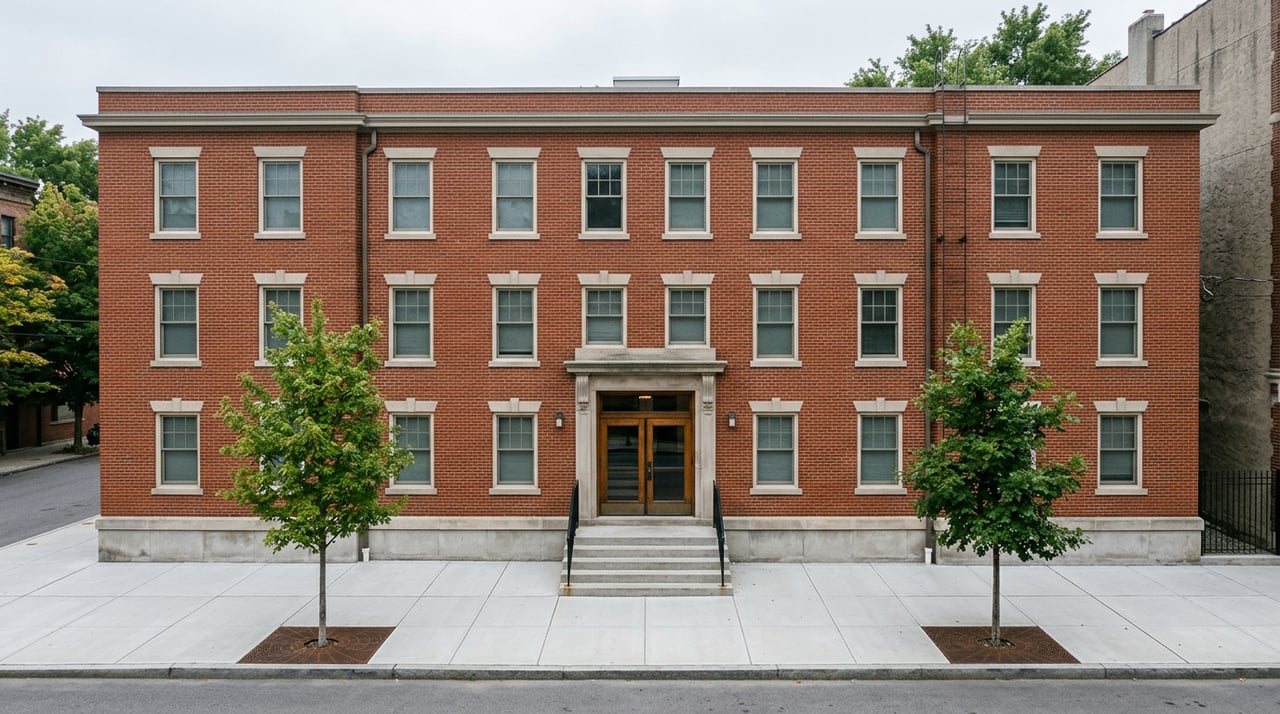
Bay Ridge has real inventory in this category. The neighborhood's mix of prewar walk-ups and small elevator buildings sits alongside its more familiar two-family and single-family housing stock, and a six- or eight-unit building from the 1920s or 1930s is exactly the kind of asset this law was written for.
Here is the part that surprises buyers: the six-unit threshold does not only apply to buildings that had six units in 1974. New York courts have held that if a building later had six or more units created, even units that were illegal, even units that were subsequently removed, the building can still be treated as subject to rent stabilization under the case law governing this rule (Wilson v. One Ten Duane Street Realty Co., a 1987 Appellate Division decision). A seller cannot undo that history by converting a unit back to storage or combining two apartments into one before listing the building.
Every year, landlords self-report their units to the state as either rent stabilized or exempt. There is no independent, publicly searchable list that settles the question once and for all. The agency that oversees rent stabilization, New York State Homes and Community Renewal, maintains registration records, but those records reflect what landlords report, not an independent determination of legal status.
That distinction matters more than it sounds like it should. A landlord can report a unit as "permanently exempt" for years running, and that filing does not make the exemption legally correct. A tenant can even sign paperwork acknowledging their unit is not stabilized, and that acknowledgment does not settle the matter either if the underlying facts say otherwise.
The registration a building carries today reflects what the seller has claimed. It does not reflect what a court would find if a tenant challenged it.
This is why buyer's counsel in New York routinely advises against relying on a seller's representation that units are deregulated. The standard guidance from real estate attorneys who handle these transactions is that a purchaser should independently confirm the building was never a six-unit structure before 1974 and was never voluntarily enrolled in any rent regulation program, rather than accepting the seller's word for it, as outlined in guidance from Adam Leitman Bailey, P.C. on buyer due diligence for tenanted buildings.
Sellers sometimes point to a gut renovation as proof a building escaped rent stabilization. There is a real exemption for this, governed by a specific section of the Rent Stabilization Code and a DHCR operational bulletin, but it is a narrow legal test, not a general renovation credit. It requires documented proof that the building was in substandard condition before the rehabilitation and that the work met specific criteria the agency has laid out. A cosmetic update, new kitchens, refinished floors, does not clear that bar on its own. If a seller cites substantial rehabilitation as the reason units are free market, that claim needs its own documentation, not just a contractor's invoice.
Rent stabilization is not the only regulatory question worth asking about a Bay Ridge multifamily purchase. New York's statewide Good Cause Eviction law, effective since April 2024, extends renewal rights and rent-increase limits to many market-rate tenants who are not otherwise rent stabilized. The law includes an exemption for small landlords, generally those who own roughly ten units or fewer across their full portfolio, so total unit count across an owner's holdings, not just the building in front of you, can determine whether market-rate tenants in that building have additional protections a buyer needs to plan around.
This is a detail that gets lost when a buyer evaluates a building in isolation. Two nearly identical six-unit properties in Bay Ridge can sit under different rules depending on how many other units the seller, or the buyer, owns elsewhere.
For anyone under contract or close to making an offer on a small multifamily building in Bay Ridge, the following documents answer the questions a rent roll cannot:
None of this is exotic. It is standard practice for attorneys who handle multifamily acquisitions in New York City, and it is worth budgeting the time for before, not after, you are locked into a contract. Overcharge complaints filed with the state can reach back several years, and willful violations can carry damages well beyond the original overcharge, so the cost of skipping this step does not stay small.
Does any of this apply to a two-family or three-family building? No. The six-unit threshold is a hard line. A two- or three-family building, even one built before 1974, does not fall under rent stabilization on unit count alone. This is one reason two-family properties remain a more straightforward entry point for buyers who want rental income without inheriting regulatory history.
How long does it take to get a rent history from the state? Plan for it to take real time, often several weeks depending on the request method and how backed up the agency is. Build this into your due diligence timeline rather than requesting it after you are already racing toward a closing date.
What if the seller insists the building was substantially rehabilitated and is fully exempt? Ask for the documentation that supports that specific legal exemption, not just proof that renovation work happened. If the seller cannot produce it, treat the exemption claim as unverified until your attorney has reviewed the underlying filings.
This kind of diligence is exactly where a boutique, hands-on approach earns its keep. At Pen Realty, Peter Mancini and the team work Bay Ridge block by block, connecting buyers with the attorneys and records searches that turn a rent roll into a verified picture before an offer goes in. If you are evaluating a small multifamily building in Bay Ridge and want a clear-eyed read on what the numbers and the paperwork actually support, request your Signature Market Valuation and let's walk through the building together before you sign anything.
Pen Realty greets clients with a devotion to seamless home sales and a professional promise to buy or list with expert confidence.
Get in Touch With Our Team to Learn More